

Maddy summaryThis bill, the PrEP Access and Coverage Act of 2026, requires most health insurance plans to cover HIV prevention medication without charging patients any out-of-pocket costs. It directly affects people with private insurance, government health programs like Medicare and Medicaid, military health care, and the Indian Health Service. The law mandates that insurance companies cannot require pre-approval for these medications, cannot charge deductibles or copayments for them, and cannot deny or charge higher premiums for life, disability, or long-term care insurance based on someone taking HIV prevention medication. The bill also creates a new public education campaign to increase awareness about HIV prevention options and provides federal funding to states and community organizations to expand access to these services.
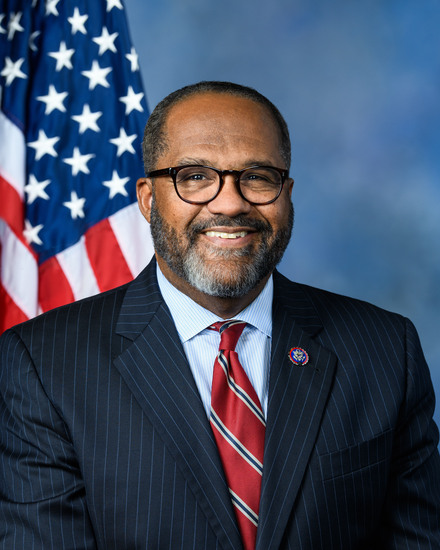
Rep. Troy A. Carter
Sponsored bills
Maddy summaryThis bill requires hospitals receiving Medicare funding to create discharge plans for pregnant patients who are expected to leave the hospital before delivery, ensuring they have safe transportation and access to backup care if needed. The discharge plans must include clinical justification for early discharge, assessment of travel logistics, identification of alternative delivery facilities, and confirmation that patients understand the information in their primary language. Additionally, the bill expands rural maternal health training grants to include racial bias training, establishes performance milestones for grant recipients, and creates a new initiative to evaluate different training models for healthcare professionals. The legislation also mandates the development of a public dashboard tracking maternal health outcomes and federal investments in maternal health research.
Maddy summaryThis bill creates a business tax credit for companies that purchase zero-emission electric lawn, garden, and landscaping equipment. The credit equals 40 percent of the equipment's cost, with annual limits of $25,000 and a ten-year aggregate cap of $100,000 per business. Eligible equipment includes electric-powered mowers, trimmers, and other landscaping tools powered by solar, batteries, fuel cells, or grid electricity, as well as batteries and generators used to power them. The credit applies to equipment placed in service after December 31, 2024, and expires five years after the bill is enacted.
Maddy summaryHRES 1106 is a non-binding House resolution honoring the life and legacy of Rev. Jesse Louis Jackson, Sr., a prominent civil rights leader and activist. The resolution recognizes his lifelong work in advancing equality through organizations like Operation PUSH, his leadership in the anti-apartheid movement, and his historic presidential campaigns in 1984 and 1988. It expresses condolences to his family and calls on all Americans to continue his legacy of promoting civil rights and unity. As a commemorative resolution, it does not create new laws or affect any policies.
Maddy summaryThe DISCLOSE Act of 2026 aims to increase transparency in election spending and prevent foreign influence. It expands the ban on foreign money to cover federal, state, and local elections, including ballot initiatives and judicial nominations, and criminalizes using corporations to conceal these funds. The bill mandates that organizations spending over $10,000 on campaign-related activities, such as independent expenditures or judicial nomination advocacy, disclose their beneficial owners and top donors. Additionally, it establishes new "Stand By Every Ad" disclaimers for political communications, requiring the highest-ranking official to approve the message and, for certain ads, list their top funders. These provisions directly affect non-candidate organizations, individuals involved in political and judicial nomination spending, and foreign nationals.
Maddy summaryThis bill creates a federal loan forgiveness program to encourage mental health professionals to work in areas with shortages of care providers. It directly affects students and graduates enrolled in mental health training programs at minority-serving institutions who agree to work full-time in underserved communities for at least five years. Under the program, eligible individuals would receive loan deferment during their service period, and after completing five years of employment, the government would repay up to $200,000 of their outstanding student loans. The bill defines qualified mental health providers to include psychiatrists, psychologists, social workers, and other licensed professionals specializing in mental and behavioral health care.
Maddy summaryThis bill, titled the Parks to People Active Transportation Act, directs the U.S. Department of Transportation to create a competitive grant program for building and improving greenway paths that connect communities. Eligible organizations such as state and local governments, regional planning councils, and Indian Tribes can apply for funding to construct hard-surfaced walkways, bikeways, or shared-use paths that cross jurisdictional lines and link to public transit. The program prioritizes projects that reduce vehicle congestion, improve safety for pedestrians and cyclists, and address disparities in access to jobs, schools, and recreational opportunities for low-income and minority communities. Grants may cover up to 80 percent of project costs, with higher funding levels available for rural areas and communities with high poverty rates, and the legislation authorizes $300 million annually from 2027 through 2031 to support these initiatives.
Maddy summaryHR 7736, the RELIEF Act, requires U.S. Customs and Border Protection to refund tariffs collected under the International Emergency Economic Powers Act (IEEPA) on imports entered on or after January 1, 2025. It directly affects importers of record by mandating automatic refunds within 90 days of the bill's enactment, without requiring them to submit applications or protests. The bill directs Customs to use existing data to calculate and disburse refunds for all affected tariff collections, including entries involving goods withdrawn from warehouse for consumption. This policy change eliminates the need for importers to seek refunds through separate processes, streamlining the recovery of overpaid duties.
Maddy summaryHR 7740, the African American History Act of 2026, authorizes $4 million annually for the National Museum of African American History and Culture to develop educational resources and support teaching about African American history. The bill directs the museum to create digital and print materials, provide teacher training, and expand access to curriculum resources for K-12 and college classrooms. It requires annual reports to Congress on fund usage and expires in 2030. This program directly affects educators and students by enhancing classroom materials and professional development on African American history.
Maddy summaryHRES 1077 is a non-binding resolution expressing the House of Representatives' support for the U.S. Postal Service to honor Lieutenant Colonel Charity Adams Earley with a commemorative stamp. It directly requests the Citizens’ Stamp Advisory Committee (part of the USPS) to recommend such a stamp to the Postmaster General. The resolution highlights Adams Earley’s historic role as the first Black officer in the Women’s Army Corps (WAC), her leadership of the 6888th Central Postal Directory Battalion during WWII, and her post-war advocacy for Black leadership development. This resolution does not create new law or funding but formally urges the USPS to recognize her legacy through a postage stamp.