

Maddy summaryThis bill establishes a federal grant program to fund school sports access for K-12 students. It provides grants to elementary and secondary schools that comply with Title IX, allowing them to expand athletic programs, cover costs like equipment/uniforms, or reduce participation barriers - especially for girls and women in underrepresented sports. Schools receiving funds must certify they won’t discriminate based on gender identity or sexual orientation. The legislation directly affects public schools seeking to improve equity in youth sports, building on existing Title IX protections for transgender and LGBTQ+ students.
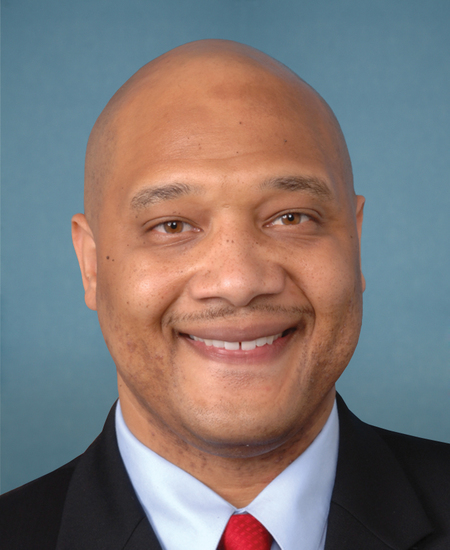
Rep. André Carson
Sponsored bills
Maddy summaryThis bill would allow states to skip in-person interviews for SNAP (food stamp) benefit renewals if applicants agree to waive the interview and have already proven they qualify for continued benefits. It also requires states to offer phone or virtual interview options when interviews are still needed for renewal. The change directly affects SNAP recipients who may face fewer in-person requirements and state agencies administering the program. The policy aims to reduce paperwork burdens without altering eligibility rules for food assistance.
Maddy summaryThis resolution (HRES 1406) commemorates the 175th anniversary of formal diplomatic relations between the United States and Guatemala, established on January 31, 2024. It honors the contributions of Guatemalan-Americans to U.S. society, recognizes Ambassador Francisco Villagrán de León’s service, and acknowledges ongoing U.S.-Guatemala cooperation on trade, migration, anti-corruption efforts, and shared democratic values. The resolution includes non-binding statements urging Guatemala to address corruption, support indigenous communities, protect activists, and continue recognizing Taiwan, while calling on the U.S. to counter Chinese economic coercion against Guatemala. As a commemorative resolution, it does not create new laws or obligations but formally acknowledges historical and current bilateral ties.
Maddy summaryThe Shrinkflation Reduction Act requires manufacturers to label consumer products when they reduce product size without proportionally lowering the price (shrinkflation). This directly affects manufacturers of consumer goods (defined under federal law) and informs consumers about size reductions. The bill mandates the Federal Trade Commission (FTC) to create labeling rules within one year, treating non-compliance as an unfair business practice under existing FTC enforcement. Violations would face penalties under the FTC Act, with $1 million authorized to implement these rules.
Maddy summaryThe Stop Militarizing Our Streets Act of 2024 restricts the Department of Defense from selling military-grade assault weapons or specific high-capacity ammunition (like .223 Remington and 7.62 NATO) in the commercial marketplace, and prohibits the department from procuring weapons or ammunition from dealers that sell these items commercially. The bill establishes detailed requirements for dealers who want to sell to the government, including mandatory background checks through NICS, security measures, limits on ammunition sales to individuals (500 rounds of covered ammunition or 1,000 rounds of other types in 30 days), and employee training on recognizing straw purchases and preventing illegal sales. Government-owned plants that produce firearms or ammunition for commercial sale must report annual sales data to Congress, including customer locations and revenue. The bill also authorizes the Attorney General to establish licenses for ammunition dealers and allow them to use the NICS background check system. This legislation directly affects the Department of Defense, firearms and ammunition dealers, and government-owned manufacturing facilities.
Maddy summaryThe NO BAN Act (HR 9244) prohibits U.S. immigration authorities from denying visas or entry based on national origin, religion, or sex. It amends immigration law to explicitly ban such discrimination in visa decisions and tightens restrictions on the president’s power to suspend entry of certain groups under Section 212(f). The bill requires specific evidence, narrow tailoring, time limits, and congressional notification for any entry restriction, while mandating public reports on visa denials and waivers. It directly affects nonimmigrant visa applicants (e.g., students, workers) and federal agencies administering immigration policy.
Maddy summaryHR 9253, the National Gun Violence Research Act, repeals longstanding restrictions that blocked federal funding for gun violence research, including the 1996 Dickey Amendment. It establishes a National Gun Violence Research Program to support scientific studies on gun-related injury and death, with $200 million authorized over six years (2025-2030). The program directs agencies like the CDC, NIH, and National Institute of Justice to fund research, train researchers, develop safety standards, and share gun trace data with researchers through new protocols. This bill directly affects federal research institutions and public health agencies by enabling evidence-based study of gun violence causes and prevention strategies.
Maddy summaryThis bill establishes the Great Bend of the Gila National Monument, protecting approximately 376,963 acres of land in Arizona for the preservation of Indigenous heritage, cultural landscapes, archaeological sites, and natural resources. The monument's management requires consultation with a Tribal Commission representing interested Native American tribes, incorporates Traditional Ecological Knowledge into planning, and protects sacred sites while maintaining existing tribal treaty rights. Key provisions include prohibiting new permanent roads within the monument, requiring meaningful tribal engagement in management decisions, and ensuring continued access for traditional tribal uses like cultural and religious activities. The bill maintains existing grazing, water rights, and tribal treaty rights while emphasizing the protection of natural quiet, dark night skies, and scenic attributes. It creates a framework for tribal co-stewardship through the Tribal Commission, which provides guidance on management plans and policies.
Maddy summaryThis resolution (HRES 1398) is a symbolic House measure designating July 30, 2024, as "National Whistleblower Appreciation Day." It urges federal agencies to recognize the day by informing employees and the public about their legal right to report misconduct, fraud, or crimes through proper channels, and to acknowledge whistleblowers' contributions in combating waste and protecting public interests. The resolution references historical support for whistleblowers dating to 1778 but does not create new legal requirements or alter existing whistleblower protections. It directly affects federal agencies through recommended awareness efforts, not through binding policy changes.
Maddy summary# Summary of Proposed Workplace Discrimination and Harassment Prevention Bill This comprehensive legislative proposal aims to strengthen protections against workplace discrimination and harassment through multiple interconnected provisions: 1. **Expanded Protections**: Broadens coverage to include sexual orientation, gender identity, and other protected categories in workplace discrimination laws. 2. **Nondisclosure Agreement Restrictions**: Prohibits employers from requiring nondisclosure or nondisparagement clauses that would prevent workers from reporting harassment or discrimination, with limited exceptions for settlement agreements meeting specific requirements. 3. **Arbitration Prohibition**: Bans mandatory pre-dispute arbitration agreements for work-related disputes and imposes strict requirements for post-dispute agreements. 4. **Federal Contractor Requirements**: Mandates that federal contractors disclose labor and civil rights violations from the previous three years and requires corrective actions for violations. 5. **Grant Programs**: - National grants to prevent and address workplace discrimination through education, outreach, and complaint assistance - Grants for legal assistance to low-income workers facing employment discrimination - State-level advocacy systems with funding allotments to support worker rights protection 6. **Enforcement Mechanisms**: Establishes clear enforcement procedures, with the Equal Employment Opportunity Commission (EEOC) having authority to enforce these provisions with powers similar to those under existing civil rights laws. The bill also includes definitions, implementation details, and provisions for state and federal coordination to create a comprehensive system for preventing and addressing workplace discrimination and harassment across all sectors of employment.