

Maddy summaryThis bill authorizes Congress to award a Congressional Gold Medal to individuals who fought for or with the United States in the Pacific theater during World War II and subsequently became prisoners of war. The legislation specifically recognizes the service and sacrifice of those who defended locations such as Bataan and Corregidor, including Filipino soldiers and civilians who served alongside U.S. forces. To implement this award, the Speaker of the House and the President pro tempore of the Senate will arrange for the creation of a gold medal by the Secretary of the Treasury, which will be presented to the Smithsonian Institution for display. The act also allows for the production of duplicate bronze medals to cover the costs of the original gold medals, with any proceeds from these sales deposited into the United States Mint Public Enterprise Fund.
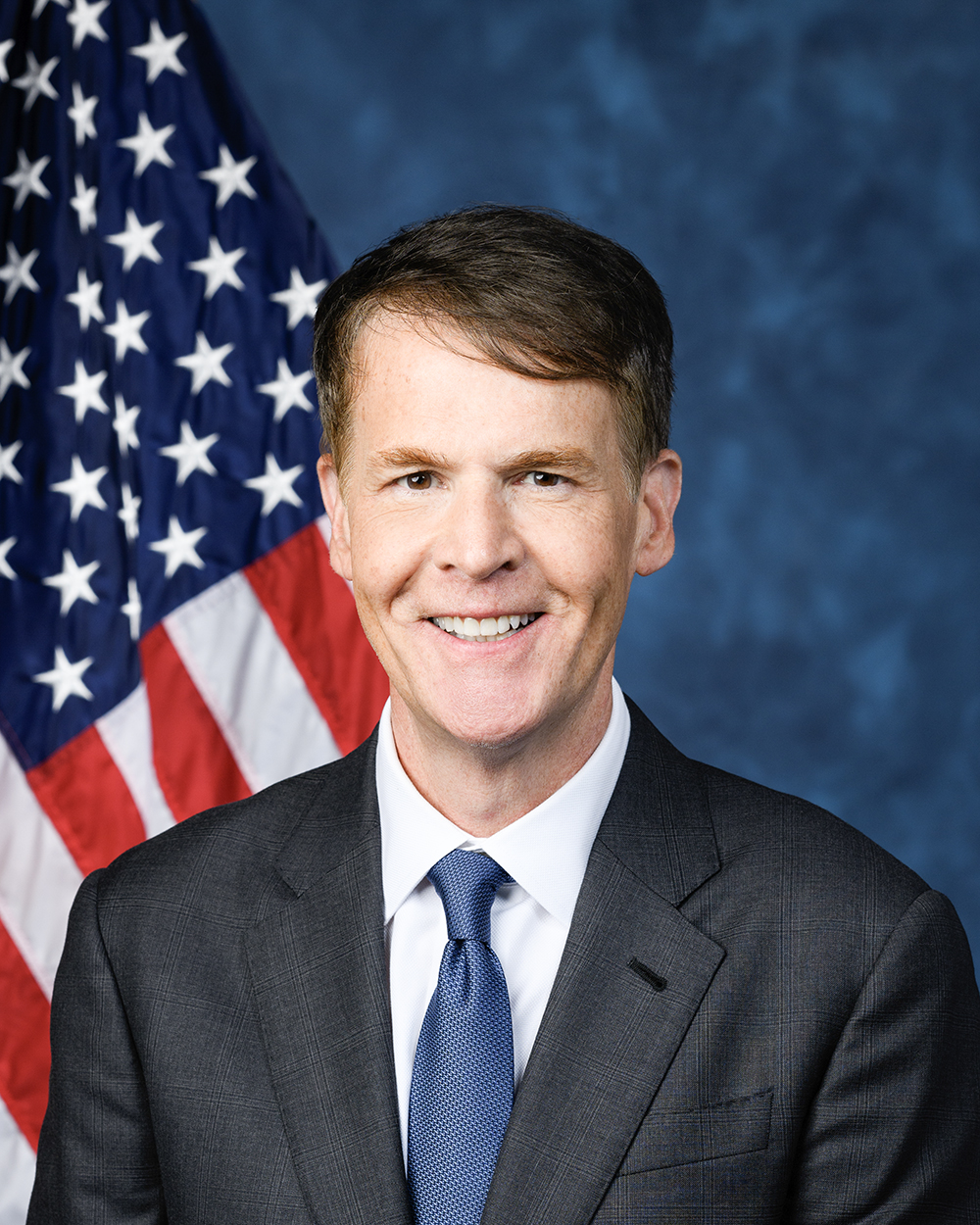
Rep. Jefferson Shreve
Sponsored bills
Maddy summaryThis bill, the Budgeting for a Better America Act, fundamentally changes how the federal government plans its spending by shifting the congressional budget process from an annual cycle to a biennial one, covering two consecutive fiscal years. It establishes a new National Commission on Fiscal Responsibility and Reform composed of 18 members from both political parties to propose specific policies that would reduce the federal deficit to 3% of the gross domestic product within a decade. The legislation also mandates that any joint resolution implementing the commission's recommendations be given expedited floor consideration in both the House and Senate without the possibility of amendment. Additionally, the bill requires the President to submit supplemental budget estimates annually, mandates a hearing on the nation's fiscal state, and ensures new members of Congress receive budgetary training before taking their seats.
Maddy summaryThe Disaster Loan Accountability and Reform Act (DLARA) requires the Small Business Administration (SBA) to improve transparency and accountability for disaster loans. It mandates monthly reports detailing loan funding status, new budget requests with historical cost comparisons, and strict limits on loan obligations when funds fall below 10% of a 10-year average. The bill also requires GAO and SBA Inspector General reviews of funding shortfalls, cost impacts of recent policy changes, and enhanced forecasting for disaster loan budgets. These provisions directly affect the SBA’s operations and its reporting to Congress, aiming to prevent future funding crises through better data and oversight.
Maddy summaryThis bill establishes the Veteran Scam Victims Foundation, a private nonprofit corporation designed to help prevent veterans and their families from falling victim to scams. The foundation will operate independently of the federal government but will work in coordination with the Department of Veterans Affairs to accept private donations and run educational programs or support services for affected individuals. A governing board will be formed with the Secretary of Veterans Affairs as chairman and six additional members appointed by various federal agency heads to oversee the organization's activities. The legislation explicitly states that the foundation cannot provide direct monetary compensation for financial losses and will not be liable for any debts or actions taken by the foundation.
Maddy summaryHR 941, the Small LENDER Act, creates a 3-year compliance period and a subsequent 2-year penalty-free period for small lenders required to report small business lending data under a new rule. It directly affects financial institutions that originated at least 500 small business loans in each of the previous two years (defined as loans to businesses with under $1 million annual revenue). The bill delays full enforcement of new data reporting requirements, giving lenders time to adjust without penalties during the grace periods. This changes how the Consumer Financial Protection Bureau enforces reporting rules for smaller lenders focused on small business loans.
Repealing Big Brother Overreach Act This bill repeals the Corporate Transparency Act. The act requires existing companies and newly created companies to report beneficial ownership information to the Department of the Treasury’s Financial Crimes Enforcement Network for purposes of addressing the financing of terrorism and money laundering.
Maddy summaryThis bill, known as the Stopping Harmful and Outrageous Torts Act, expands legal protections for firearm manufacturers and sellers by strengthening their immunity from civil lawsuits. It requires courts to immediately dismiss any pending cases against these companies that are based on the criminal or unlawful misuse of a gun by a third party, while also clarifying that sellers are not liable for negligence in entrusting products to others. The legislation further restricts who can file such suits by prohibiting foreign governments from bringing these claims and adding a specific exception for victims under the age of 17, though it maintains immunity for cases involving design or manufacturing defects. Additionally, the bill allows companies to move these cases to federal court and grants them the right to appeal dismissal orders immediately, along with the ability to recover legal fees if they win. Finally, it preempts state and local laws that attempt to impose liability on these entities for the same types of misuse-related harms.
Maddy summaryThe HAILEY Act of 2026 amends the PROTECT Act to update the criteria for issuing AMBER Alerts. It allows law enforcement to request these alerts for any missing person under 18 who is considered a high-risk individual, expanding the program beyond its previous focus on child abduction cases. This change applies to police agencies and the national AMBER Alert communication network, ensuring that alerts can be triggered for a broader range of endangered youth. The legislation does not alter the core requirements for issuing an alert but clarifies that the system covers all high-risk missing minors.
Maddy summaryThe DOMINANCE Act aims to reduce U.S. reliance on strategic competitors like China for critical minerals by building international partnerships to secure diversified supply chains. It establishes a Minerals Security Partnership to coordinate diplomatic, development, and financial support for critical mineral projects with allies, creates a new Office of Energy Security Compacts to develop multi-year agreements with partner countries, and sets up a new Assistant Secretary position for Energy Security at the State Department. The bill also includes education programs like the Critical Mineral Mining Fellowship Program to build U.S. workforce capacity in mining. These measures are designed to enhance U.S. national security and economic competitiveness by ensuring reliable access to critical minerals needed for defense, technology, and energy systems.
Maddy summaryThis resolution expresses support for designating the week of May 31 through June 6, 2026, as "Our Roads, Our Safety Week." It directly affects all road users, including drivers of cars, trucks, buses, bicycles, and pedestrians, by highlighting shared responsibilities for road safety. The bill recognizes the Federal Motor Carrier Safety Administration's campaign aimed at reducing crashes involving large commercial vehicles through increased public awareness. It encourages government agencies to continue their outreach efforts and urges the public to learn specific safety rules for sharing the road with large trucks and buses.