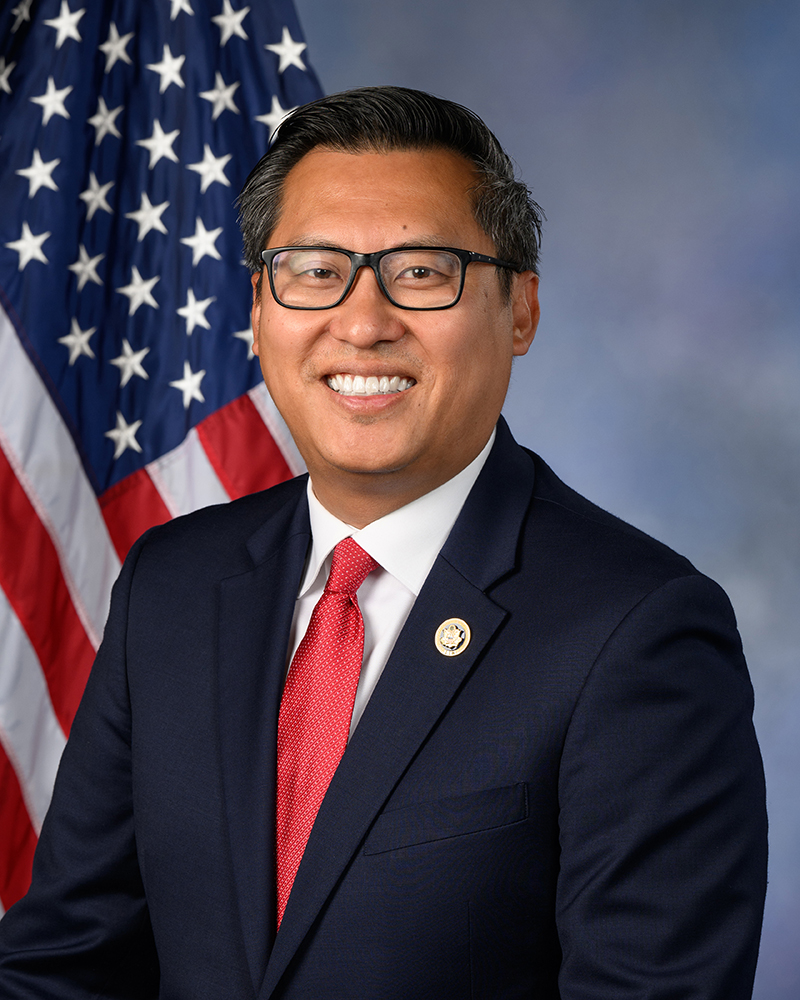
HR 7037 United States House · 119th Congress

Developing Overseas Mineral Investments and New Allied Networks for Critical Energies Act

The DOMINANCE Act aims to reduce U.S. reliance on strategic competitors like China for critical minerals by building international partnerships to secure diversified supply chains. It establishes a Minerals Security Partnership to coordinate diplomatic, development, and financial support for critical mineral projects with allies, creates a new Office of Energy Security Compacts to develop multi-year agreements with partner countries, and sets up a new Assistant Secretary position for Energy Security at the State Department. The bill also includes education programs like the Critical Mineral Mining Fellowship Program to build U.S. workforce capacity in mining. These measures are designed to enhance U.S. national security and economic competitiveness by ensuring reliable access to critical minerals needed for defense, technology, and energy systems.
Bill status passed 3 of 5 stages cleared
Introduction
Jan 2026
Committee Review
Jun 2026
House Passage
Jun 2026
Senate Passage
President
Introduced Jan 13, 2026 Last action Jun 9, 2026
Maddy AI version diff · 1 comparison

What changed between versions

Introduced in House Engrossed in House · 4 edits · Jun 8, 2026
MODERATE
The bill was amended to shift the funding source from bilateral economic assistance (including the Economic Resilience Initiative) to National Security Investment Programs, push the earliest transfer year from FY2026 to FY2027, and simplify the list of eligible receiving agencies by removing specific account designations. The program name was also changed from 'Energy Security Compacts' to 'Energy Security Pacts' in subsection (a).
Scope change
The bill now draws on National Security Investment Program funds rather than bilateral economic assistance funds, and the earliest effective year for transfers moved from FY2026 to FY2027.
FISCAL

The funding source was changed from amounts appropriated for bilateral economic assistance (including the Economic Resilience Initiative) to funds authorized for the operation of National Security Investment Programs.

TIMELINE

The earliest fiscal year for transfers to receiving agencies was moved from FY2026 to FY2027.

SCOPE

The list of eligible receiving agencies was simplified: specific account designations (Corporate Capital Account, Program Account, Corporate Equity Investment Account) were removed, leaving only the agency names (Trade and Development Agency, Millennium Challenge Corporation, US International Development Finance Corporation, Export-Import Bank).

DEFINITION

The program name was changed from 'Energy Security Compacts' to 'Energy Security Pacts' in subsection (a), though the section heading still uses 'Compacts.'

Floor votes

How they voted

This bill passed the House by voice vote (no roll call recorded).
Full legislative history

Actions timeline

Total actions
11
Key actions
2
Committee
3
Amendments
2
Jun 9, 2026
Committee
Received in the Senate and Read twice and referred to the Committee on Foreign Relations.
upper
Jun 8, 2026
Introduced
On motion to suspend the rules and pass the bill, as amended Agreed to by voice vote. (text: CR H3957-3964)
lower
Jun 8, 2026
Lower · Passed
Passed/agreed to in House: On motion to suspend the rules and pass the bill, as amended Agreed to by voice vote. (text: CR H3957-3964)
lower
Jun 8, 2026
Introduced
Mr. Mast moved to suspend the rules and pass the bill, as amended.
lower
May 13, 2026
Lower · Passed
Committee Consideration and Mark-up Session Held
lower
Jan 13, 2026
Committee
Referred to the House Committee on Foreign Affairs.
lower
Jan 13, 2026
Introduced
Introduced in House
lower
1 primary · 30 co-sponsors

Sponsors