

Maddy summaryThis resolution disapproves a Department of Energy rule that would have set new energy efficiency standards for consumer furnaces. The rule, published in the Federal Register (88 Fed. Reg. 87502), aimed to require furnace manufacturers to produce models meeting higher energy conservation levels. If enacted, this resolution would cancel the rule, preventing it from taking effect. As a result, current energy efficiency standards for furnaces would remain unchanged, and manufacturers would not face the new requirements.
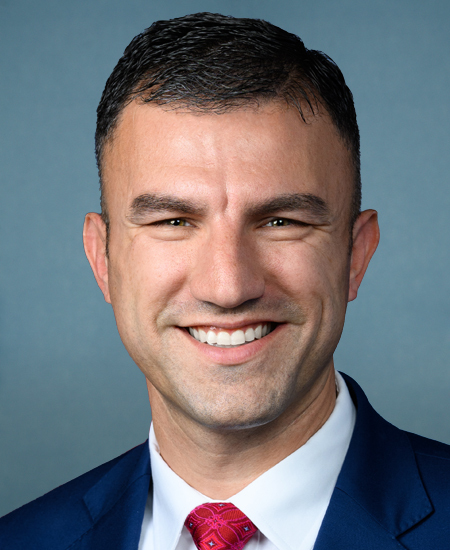
Rep. Rudy Yakym III
Sponsored bills
Maddy summaryThis resolution seeks congressional disapproval of a Treasury Department rule (88 Fed. Reg. 80584, November 2023) that established spending guidelines for $350 billion in federal Coronavirus State and Local Fiscal Recovery Funds. If passed, it would nullify the rule, preventing the Treasury from enforcing its specific restrictions on how states and localities could use these pandemic recovery funds. The bill does not alter the underlying funding program but targets the implementation rules through a procedural disapproval process under Title 5 of the U.S. Code. It directly affects the Treasury Department's authority to administer the fund distribution rules.
Maddy summaryHR 7185 reauthorizes the High Intensity Drug Trafficking Areas (HIDTA) program through 2030, with specific focus on fentanyl. It allocates $302 million annually for HIDTA operations and adds $14.2 million yearly for grants to enhance fentanyl seizure efforts through competitive grants. The bill requires annual reports detailing fentanyl seizures and trafficking data, and directs the Attorney General to assign at least 16 assistant U.S. attorneys to prioritize fentanyl trafficking cases. This directly affects federal drug task forces, law enforcement agencies, and prosecutors working on fentanyl-related investigations.
Maddy summaryThe Death Tax Repeal Act would eliminate the federal estate tax and generation-skipping transfer tax for estates of people who die on or after the bill's enactment date, and for generation-skipping transfers made after that date. It would also establish a new $10 million lifetime gift tax exemption (adjusted annually for inflation) and replace the existing gift tax rate schedule with a revised structure. These changes would primarily affect high-net-worth individuals and their heirs, as the estate tax and gift tax typically apply to large estates or gifts exceeding the new exemption threshold. The bill's provisions would take effect on the date of enactment, with transitional rules for the year the bill is signed into law.
Maddy summaryThis bill maintains the existing minimum wage rate for H-2A agricultural workers in each state as it stood on December 31, 2023, through December 31, 2025. It directly affects farms that hire H-2A visa workers by requiring the Department of Labor to use these state-specific rates for wage calculations during this period. The bill also clarifies that wage determinations for these workers must consider their primary job duties, especially when workers perform multiple tasks. This provides stability for farms relying on seasonal agricultural labor without changing the current wage structure.
Maddy summaryThis bill requires the President's annual budget submission and congressional budget resolutions to include the ratio of public debt to estimated gross domestic product (GDP). It amends existing laws (31 U.S.C. §1105(a) and the Congressional Budget and Impoundment Control Act of 1974) to mandate this specific metric be reported. The change would standardize the inclusion of this ratio in federal budget documents, making it a formal part of fiscal planning. It is a procedural update to reporting requirements, not a policy change affecting debt levels or spending.
Maddy summaryThe REMAIN in Mexico Act of 2024 would require the U.S. government to reinstate the Migrant Protection Protocols (MPP), a policy that forces certain asylum seekers to wait in Mexico while their U.S. immigration cases are processed. It directly affects asylum seekers from Mexico and Central America who are seeking entry to the United States and would be subject to the MPP under this law. The bill mandates implementation of the MPP as described in a 2019 policy memo by former Homeland Security Secretary Nielsen. This would reverse the current administration's decision to end the program, requiring asylum seekers to remain in Mexico during their immigration proceedings.
Maddy summaryHR 6950, the Working Dog Health and Welfare Act of 2024, requires federal agencies and their contractors managing working dog programs to implement specific health and welfare recommendations from a 2022 Government Accountability Office report within 180 days of the law's enactment. It directly affects all federal agencies (including Congress and courts as defined), their contractors, and the Department of State when providing working dogs to foreign partners. Key mechanisms include mandatory implementation of the GAO's recommendations, a 60-day reporting requirement to Congress on steps taken, and ensuring new programs established after enactment follow these standards. The bill focuses on concrete policy changes to standardize care for working dogs used in federal operations, without altering existing program structures or outcomes.
Maddy summaryHRES 946 is a symbolic House resolution recognizing "Gold Shield Families" - defined as the families of fallen police officers, firefighters, EMTs, correction officers, emergency dispatchers, and emergency service providers who died in the line of duty. The resolution formally honors their sacrifices and resilience, affirming that their hardships should not be forgotten. It includes no new funding, regulations, or policy changes; instead, it serves as a commemorative gesture expressing national gratitude. The resolution directs that a copy be sent to the President and made public to publicly recognize these families' contributions.
Maddy summaryHR 6853, the SOS Act, requires the Congressional Budget Office to include a new graph in annual reports about Social Security trust funds. The graph must compare projected payments under a 1985 law (section 257(b)(1)) with actual outlays from current law. This procedural bill affects how Congress reports on Social Security funding, adding transparency about payment assumptions versus current spending. It does not change eligibility or benefit amounts for seniors or disability recipients.