

Maddy summaryThis bill allows ordained ministers, members of religious orders, and Christian Science practitioners who currently have Social Security exemptions to revoke that exemption. They can file an application by the due date of their second tax year after December 31, 2025 (2027), choosing to pay Social Security taxes starting in 2026 or 2027. Once revoked, the exemption cannot be reinstated, and late filings require back payment of taxes for the affected year. The IRS must also create a plan within 90 days to inform clergy about this option.
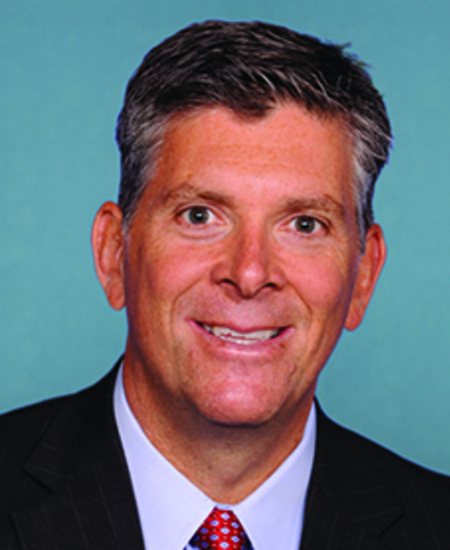
Rep. Darin LaHood
Sponsored bills
Maddy summaryHRES 793 is a resolution passed by the U.S. House of Representatives calling on Hamas to immediately release all 199 hostages taken during Hamas' October 7, 2023 attack on Israel. The resolution condemns Hamas for the attack, the taking of hostages, and threats against hostages, while stating that holding hostages violates international humanitarian law under the Geneva Conventions. It demands the immediate release of all hostages and expresses sympathy for victims and their families. As a symbolic resolution, it does not create legal obligations but formally expresses the House's position.
Maddy summaryThe SHIP Act imposes sanctions on foreign entities that knowingly handle Iranian petroleum, targeting those involved in port operations, transportation, refining, or ship-to-ship transfers of Iranian oil. Starting 90 days after enactment, the President must block assets, deny visas, and impose penalties on individuals or companies engaging in these activities, including family members or owners of sanctioned entities. It requires annual reports tracking Iran's oil exports, revenues, and key players like shipping companies and ports. The sanctions terminate if the President certifies Iran has stopped supporting terrorism and dismantled weapons programs.
Maddy summaryHR 6189, the Defend Our Networks Act, transfers $3.08 billion in unused pandemic relief funds to the Federal Communications Commission’s Secure and Trusted Communications Networks Program. It directs the Commission to use these funds - originating from the CARES Act, American Rescue Plan, and other 2020-2021 pandemic relief bills - to support efforts removing untrusted telecommunications equipment from networks. The funds merge with existing program appropriations and remain available until spent, with a 90-day deadline for transfer after enactment. This is a funding reallocation, not a new policy, affecting the FCC’s existing network security program.
Maddy summaryHR 6152, the Adopt GREET Act, requires the Environmental Protection Agency (EPA) to adopt and use the GREET model - a scientific tool developed by Argonne National Laboratory - for calculating lifecycle greenhouse gas emissions of transportation fuels. The bill mandates the EPA update this methodology every five years, starting 90 days after enactment, and specifically requires the first update to use the GREET model. This directly affects the EPA in its regulatory work and fuel pathway developers seeking approval for new fuels under existing EPA rules. The law ensures EPA analyses of fuel emissions align with the most current scientific model, with reporting requirements if updates are delayed.
Maddy summaryThis bill denies U.S. green energy tax credits to companies connected to specific countries. It targets companies created in, controlled by, or owned by entities linked to China, Russia, Iran, or North Korea. The law amends the tax code to exclude these "disqualified companies" from claiming credits under sections covering solar, wind, and other clean energy investments. This directly affects U.S. businesses with ties to those nations seeking federal tax benefits for green energy projects.
Maddy summaryThis bill amends the tax code to allow taxpayers to deduct over-the-counter naloxone purchases as medical expenses, similar to insulin. It directly affects individuals who buy naloxone without a prescription for personal or family use. The key provision adds "naloxone" to the list of deductible medical items under Section 213(b) of the Internal Revenue Code. The change applies to taxable years beginning after the bill's enactment date.
Maddy summaryThe BAD APPS Act requires the Secretary of Defense to create a risk framework assessing foreign mobile applications (like social media or shopping apps) that could threaten Department of Defense personnel or operations. It mandates defining categories of "foreign mobile applications of concern" based on factors like data collection practices, foreign ownership, malicious software, and ties to countries deemed security threats. The framework must be updated annually, and the Secretary must issue guidance to DoD personnel on mitigating risks from these apps on government devices or during official activities. The bill directly affects DoD personnel, operations, and contractors by establishing standardized security assessments for foreign apps.
This resolution urges the President to demand the release of all hostages in Gaza. The resolution also urges the President to maintain all applicable sanctions on Iran and to use all other coercive and diplomatic resources to secure the release of Americans wrongfully detained in Gaza.
Maddy summaryHRES 771 is a non-binding resolution expressing the U.S. House of Representatives' support for Israel following Hamas' October 7, 2023, attack. It condemns Hamas' actions, affirms Israel's right to self-defense, and calls for the immediate release of hostages. The resolution also urges enforcement of existing laws restricting aid to terrorists and sanctions against Iran for supporting Hamas. It does not create new policies or allocate funds, as it is a symbolic statement of congressional support.