

Maddy summaryThis bill modifies tax credits for solar energy projects by excluding facilities located on prime or unique farmland from eligibility. Developers seeking the solar energy investment credit (Section 48) or clean electricity production credit (Section 45Y) cannot claim these credits if their project is on land classified as "prime farmland" or "unique farmland" under USDA definitions. The law adopts existing USDA land classifications (from 7 CFR Part 657) to define these terms for tax purposes. This directly affects solar developers planning projects on high-quality agricultural land, removing a key financial incentive for such developments.
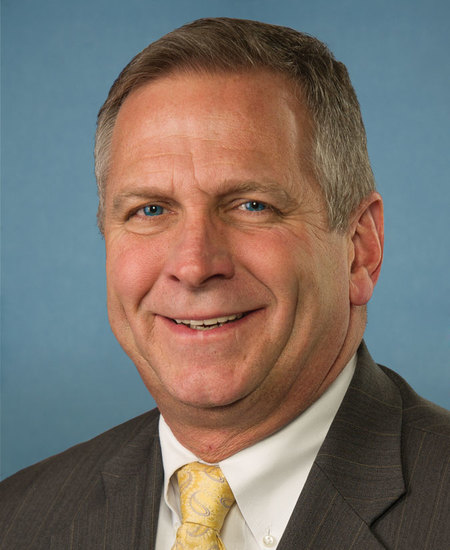
Rep. Mike Bost
Sponsored bills
Maddy summaryThe COVER Act of 2023 establishes the "Good Steward Cover Crop Program," which provides farmers with an additional $5 per acre in premium subsidies for planting qualifying cover crops (like grasses, legumes, or brassicas) on land where they also grow cash crops and maintain crop insurance. This directly affects farmers enrolled in federal crop insurance programs, particularly underserved producers, by reducing their insurance costs when adopting conservation practices. The program requires annual reporting of acreage and allocates $60 million for fiscal year 2024, increasing annually to $84 million by 2028, with a portion reserved for outreach and technical support. A separate soil health pilot program also allows farmers using innovative soil practices to access additional premium subsidies through reinsurance arrangements.
Maddy summaryHJRES 44 is a congressional resolution seeking to block a 2021 rule by the Bureau of Alcohol, Tobacco, Firearms, and Explosives (ATF). The rule classified firearms with stabilizing braces as "short-barreled rifles," which would have required additional licensing and regulation. This resolution uses a specific legal process (under Title 5, U.S. Code) to formally disapprove the ATF rule, meaning the rule would no longer be in effect. It directly affects firearm owners, manufacturers, and dealers who would have been subject to the rule’s requirements.
Maddy summaryHRES 547 is a resolution seeking to expunge the January 13, 2021, impeachment resolution against former President Donald Trump from the U.S. House of Representatives' official records. It argues the impeachment was based on incomplete facts, lacked due process (including no hearings or opportunity for the President to respond), and was rushed, with the Senate trial occurring after Trump left office. This procedural resolution does not change legal status or current law but aims to remove the impeachment from the House's historical record.
Maddy summaryHRES 546 is a symbolic House resolution commemorating the one-year anniversary of the Supreme Court's June 24, 2022, Dobbs v. Jackson Women's Health Organization decision, which overturned Roe v. Wade. The resolution expresses support for the Court's ruling that the Constitution does not guarantee a right to abortion and celebrates the decision's impact on returning abortion policy authority to state legislatures. As a ceremonial resolution, it does not create new laws or directly affect any individuals or policies. The resolution focuses solely on marking the anniversary and affirming the position that unborn life should be protected.
Maddy summaryThis bill renames the U.S. Food for Peace program after Peter O'Brien and makes key changes to how agricultural aid is delivered. It prohibits using cash, food vouchers, or foreign-sourced food for aid (section 2d), requires that at least 50% of annual funds be used for procuring U.S. agricultural commodities (section 2b(5)), and mandates annual reports to Congress on fund usage (section 2b(6)). These changes directly affect U.S. farmers supplying aid and international recipients of food assistance. The bill focuses on strengthening domestic agricultural exports within the Food for Peace program while adding transparency requirements.
Maddy summaryHJRES 45 is a congressional disapproval resolution targeting a specific Department of Education rule about federal student loans. It seeks to block the rule implementing "One-Time Federal Student Loan Debt Relief" (including modifications to Perkins, FFEL, and Direct Loan programs) by invoking the Congressional Review Act. If passed, this resolution would nullify the rule, preventing the Department of Education from using it to modify or waive student loan obligations. The bill directly affects borrowers who might have qualified for debt relief under the targeted rule.
Maddy summaryThis bill increases criminal penalties for non-citizens who reenter the U.S. after being deported or excluded. It specifically targets individuals with prior convictions for drug offenses, violent crimes, or multiple prior removals, imposing stricter fines and longer prison terms. For example, those convicted of an aggravated felony or two prior illegal reentries face mandatory minimum sentences of 5 years in prison, up to 20 years. The law also expands penalties for those who reenter without Homeland Security's permission after being removed under certain provisions.
Maddy summaryHR 277 would require Congress to approve major federal regulations before they take effect. Major rules are defined as those with significant economic impact ($100 million+ annually), major cost increases for consumers or industries, or significant adverse effects on competition, employment, or innovation. Agencies must submit detailed information about these rules to Congress, including cost-benefit analyses, before they can take effect. Congress would have 70 session days to approve the rule with a joint resolution; if they don't act within that timeframe, the rule would not take effect. This would increase congressional oversight of federal regulations and require more detailed information about proposed rules before they become law.
Maddy summaryHR 4076 establishes a joint U.S.-Israel program to fund health technology development, authorizing $4 million annually (2024-2026) through the U.S. Health and Human Services Department. It requires Israel to match U.S. funding and focuses on collaborative projects in artificial intelligence, vaccines, telemedicine, diagnostic tests, and data-driven personalized medicine for emerging infectious diseases. The program can either build on an existing U.S.-Israel agreement or create a new one under a 2008 science cooperation framework. This bill directly affects U.S. federal health agencies and the Israeli government, with funds restricted to joint projects meeting specific technological and health priorities.