

Maddy summaryHR 5017, the Greyhound Protection Act of 2025, prohibits commercial greyhound racing, live lure training, open field coursing, and related betting across state lines. It bans activities like using live animals as bait, conducting interstate simulcast betting, and transporting greyhounds for racing purposes. The law amends the Animal Welfare Act to make these actions unlawful, with penalties including fines and up to 7 years in prison per violation. It applies to conduct occurring on or after October 1, 2027, and does not override existing state laws banning these activities. The bill directly affects greyhound racing industry participants and the animals involved in these practices.
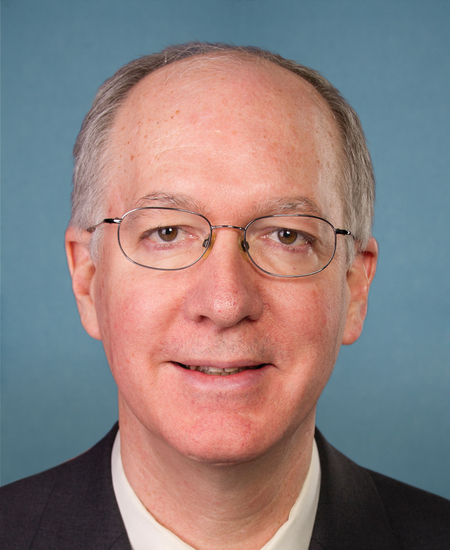
Rep. Bill Foster
Sponsored bills
Maddy summaryHR 4782, the Local Farmers Feeding our Communities Act, establishes a USDA program to connect local farmers with food distribution networks. It requires eligible entities (like state agriculture agencies) to use funds to purchase unprocessed or minimally processed local foods from covered producers - including at least 25% from small-size, mid-size, beginning, or veteran farmers - while providing technical assistance for food safety and supply chains. The bill allocates $200 million annually (2026-2030) from the Commodity Credit Corporation, mandating 10% for Tribal governments and 1% per state before distributing remaining funds. This directly supports regional food security by boosting economic opportunities for local farmers and improving access to fresh, nutritious food through established distribution channels.
Maddy summaryHR 909, the Crime Victims Fund Stabilization Act of 2025, modifies how funds from the False Claims Act are deposited into the Crime Victims Fund. It specifies that from 2025 through 2029, certain False Claims Act proceeds (specifically those for qui tam plaintiff payments and government damage reimbursements) cannot be deposited into the fund. This change directly affects the composition of the Crime Victims Fund by excluding these specific revenue streams during the specified period. The bill does not create new benefits or alter victim services; it only adjusts fund allocation rules for existing False Claims Act revenues.
Maddy summaryHR 7016, the "No Funds for NATO Invasion Act," blocks federal funding for any U.S. military invasion of a North Atlantic Treaty Organization (NATO) member country or territory covered by NATO's Article 5 mutual defense clause. The bill prohibits using any federal funds for such invasions and bans U.S. officials from executing these actions. It directly affects U.S. military operations and funding decisions involving NATO members. The law applies to all federal spending, preventing the use of existing budgets for this specific purpose.
Maddy summaryHR 7004 prohibits federal elected officials, congressional staff, political appointees, and executive branch employees from trading prediction market contracts using material nonpublic information about government policy, actions, or political outcomes. It bans any purchase, sale, or exchange of these contracts when the individual possesses or could reasonably obtain such nonpublic information - defined as important investment details not available to the public. The bill directly affects government insiders who might otherwise trade on inside knowledge of upcoming decisions or election results through prediction markets. Key provisions clarify that covered transactions include any financial instrument tied to future government events, listed on platforms operating across state lines. This creates a specific insider trading rule for prediction markets, distinct from general securities laws.
Maddy summaryThis concurrent resolution (HCONRES 69) commemorates the 15th anniversary of the January 8, 2011, Tucson shooting that killed six people and injured 13, including former Congresswoman Gabby Giffords. It honors the victims, survivors, and Giffords - now a prominent advocate for gun violence prevention - and recognizes her leadership in promoting civility and reducing gun violence. The resolution also commends Tucson residents and first responders for their resilience and reaffirms Congress’s commitment to respectful dialogue and opposing political violence. As a ceremonial resolution, it does not create new laws or policies.
Maddy summaryThis bill designates the Department of Veterans Affairs community-based outpatient clinic at 207 Hamilton Road in Bloomington, Illinois, as the "Andrew Jackson Smith Medal of Honor Department of Veterans Affairs Clinic." It honors Color Sergeant Andrew Jackson Smith, a Medal of Honor recipient from the Civil War, by naming the facility after him. The bill makes this name official for all federal references, including laws, maps, and documents. It is a commemorative resolution with no policy changes or new services.
Maddy summaryHR 4611 (EACH Act of 2025) requires all federally funded health programs - including Medicaid, Medicare, military health plans, and the Indian Health Service - to cover abortion services without restrictions, repealing the Hyde Amendment's long-standing ban on federal funding for most abortions. This directly affects millions of people enrolled in these programs, particularly low-income women, women of color (including 25% of Black women and 22% of Hispanic women on Medicaid), and young people. The bill mandates coverage in all federally administered health plans and prohibits state or private insurers from restricting abortion coverage in health insurance. It aims to eliminate current federal and state barriers that deny abortion access to people who rely on government health programs.
Maddy summaryThis resolution recognizes 28 Illinois schools (and all schools nationwide selected for 2025) as National Blue Ribbon Schools before the program's discontinuation. It celebrates the program's 43-year history since 1982, which honored over 9,000 schools for academic excellence and closing achievement gaps. The measure formally honors these schools' achievements and the program's legacy, without proposing new policy changes.
Maddy summaryThis bill requires the federal government to annually calculate each state's net federal tax contribution (what states pay in federal taxes versus what they receive in federal spending). It mandates that the Commerce Secretary calculate states' tax burdens based on where individuals reside and business activity occurs, while the OMB calculates federal spending per state based on where federal contracts are performed. The results must be reported to Congress and published online within 180 days each year. This creates a transparent, annual accounting of federal fiscal flows between states, affecting all 50 states directly through standardized reporting.