

Maddy summaryHR 1368, the "Deter PRC Support to the Russian War Effort Act," would impose U.S. sanctions on Chinese individuals and companies that provide material support to Russia's military operations in Ukraine. The bill targets entities that export defense-related items, financial resources, or technologies that help Russia conduct military actions or evade existing U.S. sanctions. Sanctions could include blocking U.S. property, denying visas, restricting financial transactions, and prohibiting U.S. government procurement from targeted entities. The bill specifically applies to Chinese persons (including state-owned enterprises) who assist Russia's military efforts, with sanctions set to expire after two years or when the Ukraine conflict ends.
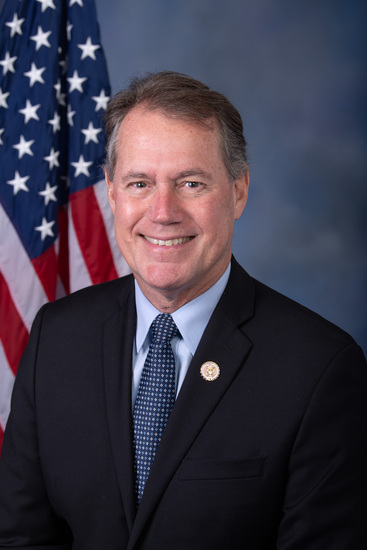
Rep. Ed Case
Sponsored bills
Maddy summaryThe Stop the Wait Act of 2023 eliminates the current 5-month waiting period for Social Security Disability Insurance (SSDI) benefits by phasing it out: applications filed in 2023-2025 would face a 3-month wait, 2026 a 2-month wait, and 2027 a 1-month wait, with full elimination by January 2028. It also changes Medicare rules to allow individuals without minimum essential health coverage to receive Medicare benefits retroactively from the first month of SSDI eligibility, rather than waiting 24 months. This directly affects people under 65 applying for SSDI who lack other health insurance, ensuring they have coverage during the waiting period. The bill amends the Social Security Act to implement these changes, effective January 1, 2028.
Maddy summary# Summary of Proposed Election Reform Legislation This document outlines a comprehensive federal election reform bill with multiple titles addressing various aspects of voting rights, election administration, and election integrity. ## Key Provisions: ### 1. Democracy Restoration (Title I) - Restores voting rights to citizens with felony convictions who are not serving a felony sentence in a correctional institution - Requires states to notify individuals of restored voting rights upon release from prison, completion of probation, or sentencing - Prohibits states from conditioning voting rights on payment of fines or fees - Requires states to provide notification of voting rights to citizens with criminal convictions ### 2. Voter Identification Requirements (Title II) - Establishes a broad definition of acceptable identification documents (including utility bills, bank statements, student IDs, etc.) - Requires states to provide free identification to voters who lack one - Authorizes $5 million annually for 5 years to cover costs of providing identification - Sets procedures for provisional voting when identification is not presented ### 3. Voter List Maintenance (Title III) - Prohibits "voter caging" (using undeliverable mail to challenge voter registration) - Bans use of unverified match lists to remove voters from registration lists - Sets strict conditions for removing voters from registration lists - Requires states to provide notice to voters removed from registration lists ### 4. Election Integrity Measures (Title V) - Prohibits hindering or interfering with voter registration (Section 2001) - Restricts removal of local election administrators (Section 3001) - Prohibits harassment of election workers (Section 3101) - Bans deceptive practices in elections (Section 3201), including false statements about voting locations, eligibility, or endorsements ### 5. Additional Provisions - Requires states to provide notice of voting rights restoration to citizens - Establishes private rights of action for violations of the law - Sets criminal penalties for violations (up to $100,000 fines and 5 years imprisonment) - Includes provisions for federal funding to be contingent on compliance with voting rights restoration This legislation represents a significant overhaul of voting rights and election administration procedures across the United States, with a focus on expanding voting access, protecting voter rights, and ensuring fair election administration.
Maddy summaryHR 549, the Metastatic Breast Cancer Access to Care Act, removes waiting periods for disability and Medicare coverage for people diagnosed with metastatic breast cancer. Specifically, it amends Social Security Act sections to allow immediate eligibility for disability insurance benefits (eliminating the standard waiting period) and immediate Medicare coverage (waiving the 24-month waiting period) for these patients. The bill directly affects individuals with metastatic breast cancer who would otherwise face delays in accessing critical benefits. These changes apply to applications filed or benefits beginning after the bill's enactment date. The law makes no other policy changes beyond these specific eligibility adjustments.
Maddy summaryThe EACH Act of 2023 would require federal health programs - including Medicaid, Medicare, the Indian Health Service, and TRICARE - to cover abortion services without restrictions. It repeals a provision in the Affordable Care Act that allowed states to limit abortion coverage in health insurance plans sold through state marketplaces. The bill also prohibits the federal government from restricting abortion coverage in private health insurance plans. This would directly affect millions of people, particularly low-income individuals and people of color, who are disproportionately enrolled in Medicaid and currently face barriers to abortion care due to coverage restrictions.
Maddy summaryHR 319, the Legal Workforce Act, establishes a new government-run system for verifying employment eligibility in the United States. The bill requires employers to verify the identity and work authorization of new hires using specific documents (such as passports, driver's licenses, or employment authorization cards) through a new verification system, with implementation timelines varying by employer size (6-24 months after enactment). It replaces the previous E-Verify system, includes special provisions for agricultural workers with 30-month implementation timelines, and establishes penalties for non-compliance ranging from $2,500 to $25,000 per violation. The law also creates new procedures for reverifying employees with limited work authorization and includes provisions to prevent identity fraud in the verification process.
Maddy summaryThis bill provides tax relief for individuals affected by specific disasters by excluding certain compensation payments from taxable income. It covers wildfire relief payments for losses incurred in federally declared wildfires after 2014 (including expenses like repairs, lost wages, and emotional distress), and payments related to the February 2023 East Palestine, Ohio, train derailment (covering property damage, closing costs, and inconvenience). Payments already covered by insurance or other sources are excluded from this tax benefit. The relief applies to payments received during 2020-2025 for wildfires and from February 2023 onward for the East Palestine incident, with extended deadlines for related tax claims.
Maddy summaryThe CASC Act establishes a National Climate Adaptation Science Center and nine Regional Climate Adaptation Science Centers to provide scientific expertise for managing natural resources, cultural resources, and ecosystem services in response to climate change. These centers will conduct research, provide education and training, and offer advisory services to Federal agencies, States, Indian Tribes, Tribal organizations, Native Hawaiian organizations, and other partners. The National Center will coordinate with regional centers, develop research priorities, and conduct five-year merit reviews to ensure high-quality climate adaptation science. The bill requires centers to work with diverse partners including Tribal Colleges and Universities, Historically Black Colleges and Universities, and minority-serving institutions to ensure inclusive climate adaptation science.
Maddy summaryHR 6751 authorizes the U.S. Mint to produce commemorative coins honoring Roberto Clemente, a Hall of Fame baseball player and humanitarian, including 50,000 $5 gold coins, 400,000 $1 silver coins, and 750,000 half-dollar coins. The coins must feature Clemente's image and inscriptions like "Roberto Clemente" and "2027," with all sales including a surcharge ($5-$35 per coin) paid to the Roberto Clemente Foundation. The foundation, which supports youth sports, education, and disaster relief programs, will use these funds for its mission, while the U.S. Treasury must recover all production costs. The coins will be sold exclusively in 2027, with no net cost to the government.
Maddy summaryHR 1695, the *Strengthening Agency Management and Oversight of Software Assets Act*, requires all federal agencies to conduct a comprehensive assessment of their software licenses, contracts, and usage within one year of enactment. This assessment must detail current software inventories, costs (including hidden fees), interoperability, and license restrictions, and be submitted to agency leadership, the Office of Management and Budget (OMB), and Congress. Agencies must then develop a 120-day plan to consolidate software licenses, prioritize enterprise agreements, reduce costs, and improve software management - ensuring purchases avoid vendor favoritism and support interoperability. The OMB will create a government-wide strategy within two years to standardize these efforts, with annual budget reports tracking agency progress on software cost and management metrics.