

Maddy summaryHRES 50 is a symbolic resolution, not a bill with policy changes. It declares that states bordering Mexico have the constitutional right under Article I, Section 10 to defend against "paramilitary, narco-terrorist cartels" and criminal actors at the southern border. The resolution states that states like Texas, Arizona, New Mexico, and California were "invaded" or faced "imminent danger" from these groups from 2021-2024, and that the federal government failed to protect them. It makes no new laws or allocate funds - only asserts a constitutional interpretation for states to act unilaterally. (Note: This is a procedural resolution; no concrete policy change is enacted.)
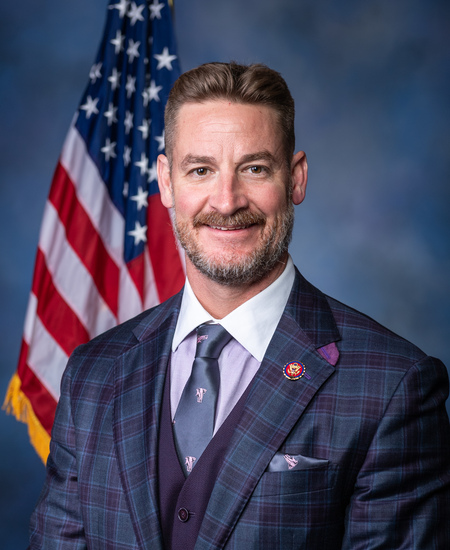
Rep. W. Gregory Steube
Sponsored bills
Chiropractic Medicare Coverage Modernization Act of 2025 This bill expands Medicare coverage of chiropractic services to include all services provided by chiropractors, rather than only subluxation corrections through manual manipulation of the spine.
Maddy summaryHR 470, the Red Snapper Act of 2025, blocks the U.S. Secretary of Commerce from implementing area or bottom closures in the South Atlantic for snapper-grouper fisheries until two conditions are met: the completion of the South Atlantic Great Red Snapper Count survey and integration of its data into the next official stock assessment. This directly affects recreational and commercial fishermen in the South Atlantic region, particularly in Florida, where red snapper fishing supports significant economic activity ($14 billion annually). The bill aims to delay management changes pending new scientific data to avoid potential economic harm during a period of record fish stock abundance. It does not alter fishing seasons or quotas but specifically targets the timing of area closure decisions.
Maddy summaryHRES 47 is a House resolution calling on the National Collegiate Athletic Association (NCAA) to revoke its current policy allowing biological males who identify as transgender to compete on women's sports teams. The resolution states this policy discriminates against female athletes and violates Title IX by jeopardizing women's competitive opportunities and safety. It specifically urges the NCAA to implement a biological sex-based policy, requiring only individuals assigned female at birth to compete in women's sports, and to ensure all member conferences comply. The resolution does not create new law but formally requests the NCAA change its eligibility rules.
Maddy summaryHR 465, the "Old Glory Only Act," requires all U.S. diplomatic and consular posts abroad to fly only the United States flag. The bill directs the Secretary of State to ensure no other flags are displayed over these government facilities. This is a procedural change affecting the physical display of flags at U.S. embassies and consulates worldwide, with no other policy provisions. It mandates a specific practice without altering other diplomatic protocols or affecting citizens or organizations.
Maddy summaryHR 457, the Passport Notification Act of 2025, requires the State Department to send U.S. citizens a notification 180 days before their passport expires. This notification will include the expiration date and details on how to renew the passport, available in either electronic or paper form. The law applies to passports expiring 180 days after the bill's enactment, directly affecting all U.S. citizens holding valid passports. It creates a new procedural requirement for passport renewal reminders without changing eligibility rules or processing fees.
Maddy summaryHR 462, the "No Support for Terror Act," prevents U.S. financial support for countries designated as genocide perpetrators or state sponsors of terrorism. It requires the Treasury Secretary to direct U.S. representatives at the International Monetary Fund to oppose allocating Special Drawing Rights (international financial resources) to such countries and to advocate for a permanent ban. The bill also mandates Treasury, State, and USAID to review U.S. aid to NGOs and international organizations within 90 days to ensure funds aren't reaching the Taliban or terrorist-harboring nations, and to require aid recipients to verify all partners comply with anti-terrorism financing laws within 180 days. These provisions directly affect U.S. agencies managing international aid and IMF representation, aiming to redirect financial resources away from entities linked to terrorism.
Maddy summaryThe STAND Act prohibits the U.S. State Department and USAID from using federal funds for non-defense foreign aid (including bilateral, multilateral, and humanitarian assistance) for 60 days after the President declares a major disaster under the Stafford Act for a U.S. event. This policy directly affects U.S. foreign aid programs by imposing an automatic funding freeze during the initial response period for domestic disasters. The key mechanism is a mandatory 60-day delay in aid disbursements triggered by a domestic disaster declaration, with limited waiver authority requiring a new joint resolution. The bill focuses on redirecting immediate domestic disaster response resources rather than altering long-term aid policies.
Maddy summaryHR 418 requires federal agencies to have rules created under standard rulemaking procedures signed by a Senate-confirmed appointee or initiated by a senior agency official. This affects all agencies developing regulations, mandating that such rules follow specific leadership approval steps unless the agency head certifies public safety or security concerns require an exception. Agencies seeking to bypass this requirement must submit written justification to OIRA (Office of Information and Regulatory Affairs) and publish it in the Federal Register. OIRA will monitor compliance with these procedural requirements, which change the process for rulemaking without altering the substance of regulations.
Maddy summaryThis bill prohibits U.S. colleges and universities receiving federal student aid from employing instructors who received funding from the Chinese Communist Party (CCP) while working at the institution. Institutions that employ such instructors lose eligibility for federal funds during the affected academic year. They may regain eligibility the following year by proving they no longer employ CCP-funded instructors. The policy directly affects all higher education institutions participating in federal financial aid programs.