

Maddy summaryHR 696, the "End Unaccountable Amnesty Act," restricts immigration benefits by making Temporary Protected Status (TPS) more difficult to obtain. The bill requires new legislation for each country's TPS designation, mandates specific findings about armed conflict or disasters, and limits TPS to 12-month periods with possible 12-month extensions. It also limits immigration parole to 1,000 people annually for specific urgent humanitarian reasons or public benefits, and repeals "cancellation of removal" provisions that allowed some individuals to adjust their immigration status. These changes primarily affect immigrants seeking temporary protections or parole in the United States.
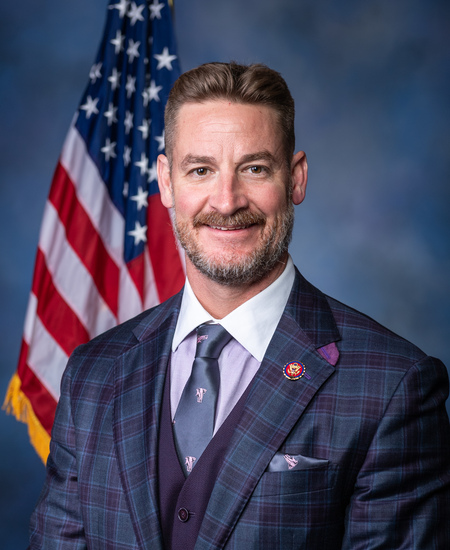
Rep. W. Gregory Steube
Sponsored bills
Maddy summaryHR 662 amends the tax code to change how oil and gas companies calculate taxable income related to intangible drilling and development costs. It allows companies to disregard certain depreciation and depletion expenses recorded on their financial statements when computing taxable income, effectively reducing their tax burden on these specific costs. The bill directly affects oil and gas producers who use intangible drilling costs in their operations. The changes apply to taxable years beginning after December 31, 2025. This is a tax code adjustment, not a direct policy change for energy production.
Maddy summaryHR 711 (FAIR Act of 2025) prohibits federal agencies, contractors, and entities receiving federal funds from discriminating based on race, color, or national origin in federal contracts, employment, or federally funded programs. It specifically bans policies like racial quotas, set-asides, or numerical goals that grant preferences to any group. The law applies to all federal departments, contractors, and state/private recipients of federal aid, requiring them to eliminate such practices within six months of enactment. It does not affect immigration laws or existing contracts or ongoing legal cases.
Maddy summaryHR 600, the "WHO is Accountable Act," prohibits U.S. federal funds from supporting the World Health Organization (WHO) until the organization meets eight specific conditions. These include ending perceived Chinese Communist Party influence, ending alleged pandemic cover-ups, granting Taiwan observer status, and halting WHO activities on gender identity, climate change, and abortion access. The bill blocks all U.S. contributions and membership efforts until the State Department certifies WHO compliance. It directly affects U.S. agencies managing international health funding and WHO's operational policies.
Maddy summaryThis bill prohibits federal funding from being provided to Planned Parenthood Federation of America or its related clinics. It redirects funds previously allocated to Planned Parenthood to other eligible providers like community health centers, hospitals, and clinics that offer women's health services. These services include contraception, cancer screenings, prenatal care, STI testing, and family planning - particularly in underserved areas. The bill explicitly states it does not reduce overall federal funding for women's health care or affect existing abortion-related funding restrictions.
Maddy summaryThis bill amends the legal definition of "firearm silencer" and "firearm muffler" under federal law. It clarifies that these terms include any device designed to reduce firearm noise, as well as the outer tube or primary housing component that serves as the main structure for noise-reduction parts. The definition specifically covers devices intended to attach to a firearm (directly or via mounts) and excludes other firearms. This change affects how silencers are legally categorized under federal regulations, not who can own them. It does not create new restrictions but refines the scope of existing definitions.
Maddy summaryHR 7 prohibits federal funds from being used for abortions or health insurance plans covering abortion, with exceptions for pregnancies resulting from rape, incest, or when a woman's life is endangered. It blocks federal premium tax credits under the Affordable Care Act for health plans covering abortion (except in specified cases) and requires clear disclosure of abortion coverage and related surcharges in plan materials. The bill allows individuals or employers to purchase separate abortion coverage using non-federal funds, such as out-of-pocket payments, without affecting federal subsidies. It directly affects federal health programs, ACA marketplace plans, and health insurance issuers offering coverage that includes abortion services.
Birthright Citizenship Act of 2025 This bill limits birthright citizenship by redefining what it means to be subject to the jurisdiction of the United States. Currently, a person born in the United States and subject to U.S. jurisdiction is entitled to citizenship. Under the bill, a person is subject to U.S. jurisdiction if he or she is born to a parent who is (1) a U.S. citizen or national, (2) a lawful permanent resident residing in the United States, or (3) a non-U.S. national ( alien under federal law) with a lawful immigration status who is performing active service in the Armed Forces. The bill does not affect the citizenship or nationality status of any person born before the bill's enactment date.
Maddy summaryHR 593 exempts certain health profession loan repayments and scholarship payments from federal income tax. It applies to individuals participating in Public Health Service Act programs (like sections 338B, 846, and 338K) and state programs designed to increase healthcare access in underserved areas. The bill also includes scholarships under the Native Hawaiian Health Care Improvement Act in this tax exclusion. These changes take effect for payments received after the bill's enactment date.
Maddy summaryThis bill requires the Treasury Secretary to regularly report to Congress about foreign countries that impose taxes on U.S. businesses or individuals considered unfair (extraterritorial or discriminatory taxes). For countries identified in these reports, it authorizes the U.S. to increase tax rates on income and withholdings from those countries, starting at 5% and increasing up to 20% over time. The bill also allows the U.S. to prohibit federal government purchases from entities in those countries and to consider these tax policies when negotiating tax treaties or trade agreements. It would directly affect U.S. businesses and individuals doing business with countries that have these tax policies, as well as those countries' businesses operating in the U.S.