

Maddy summaryHR 7156, the SCAM Act, would expand grounds for revoking U.S. citizenship (denaturalization) for naturalized citizens who commit specific offenses within 10 years of becoming citizens. It targets individuals convicted of defrauding federal, state, or local governments (e.g., $10,000+ in public benefit fraud), affiliating with foreign terrorist organizations, or committing aggravated felonies or espionage. If convicted in these categories, the government could automatically revoke citizenship retroactively (as if it never existed) based on evidence that the person lacked good moral character or loyalty to the U.S. at the time of naturalization. This bill directly affects naturalized citizens who commit these offenses within a decade of gaining citizenship, with revocation triggering immediate deportability.
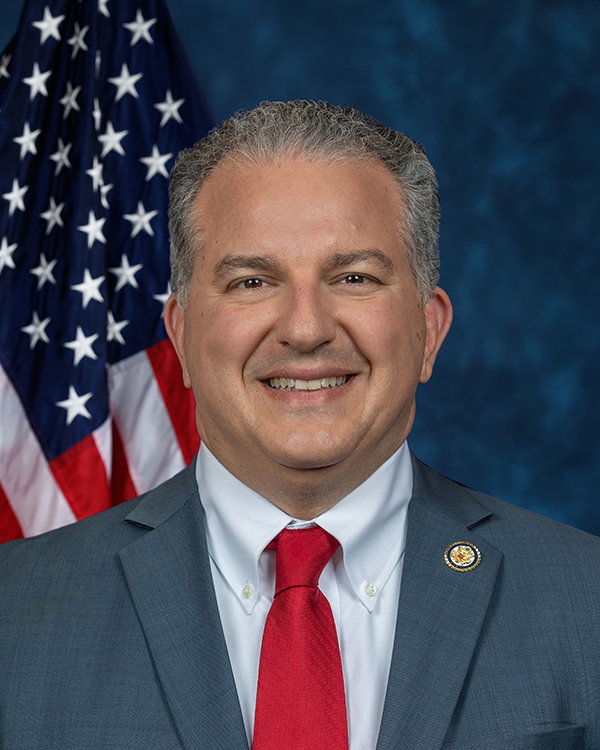
Rep. Jimmy Patronis
Sponsored bills
Maddy summaryThis bill amends the Social Security Act to provide work incentives for Purple Heart recipients receiving disability benefits. It removes the standard earnings penalty that would reduce benefits when veterans earn above the "substantial gainful activity" (SGA) threshold, instead allowing benefits to continue with a reduced rate ($1 reduction for every $4 earned above the threshold, but not below $0). It also specifically applies a higher SGA earnings limit to Purple Heart recipients under Social Security disability rules. The changes affect veterans who received a Purple Heart for a service-connected injury and are currently receiving Social Security disability benefits. The bill takes effect six months after enactment.
Maddy summaryHR 7045, the PROTECT Act, repeals Section 230 of the Communications Act of 1934, which currently shields online platforms from liability for user-generated content. This repeal directly affects websites, social media companies, and other internet services that host third-party content, removing their legal immunity for such content. The bill also updates numerous other federal laws by replacing references to "Section 230" with new definitions from Section 223(i) of the Communications Act. The key change eliminates a foundational legal protection for digital platforms, shifting liability for user content to the platforms themselves.
Maddy summaryHR 5017, the Greyhound Protection Act of 2025, prohibits commercial greyhound racing, live lure training, open field coursing, and related betting across state lines. It bans activities like using live animals as bait, conducting interstate simulcast betting, and transporting greyhounds for racing purposes. The law amends the Animal Welfare Act to make these actions unlawful, with penalties including fines and up to 7 years in prison per violation. It applies to conduct occurring on or after October 1, 2027, and does not override existing state laws banning these activities. The bill directly affects greyhound racing industry participants and the animals involved in these practices.
Maddy summaryThe SOAR Act (HR 7001) modifies federal contracting rules for the U.S. Navy Flight Demonstration Squadron during events near Pensacola, Florida. It allows the Secretary of the Navy to enter into contracts and incur costs in advance of annual budget appropriations, bypassing specific spending restrictions in federal law (sections 1341, 1342, 1349, 1350, 1351, and related provisions). This change directly affects the Navy's ability to plan and fund demonstration or training events without waiting for the annual budget cycle. The bill is procedural, focusing on streamlining operational planning for the squadron's activities in Pensacola.
Maddy summaryThe HOMEFRONT Act of 2025 exempts military housing for single service members and families (under the Department of Defense) from the National Historic Preservation Act, meaning these facilities won’t need to meet historic preservation standards. It allows the Secretary of Defense to temporarily exclude up to 0.1% of such housing units from the exemption, but excludes any historic sites listed on the National Register as of January 20, 2025. The bill also prohibits landlords of privatized military housing from requiring tenants to sign nondisclosure agreements related to leases or housing services, applying retroactively to all existing agreements. These changes directly affect military housing residents and the Department of Defense’s management of housing facilities.
Maddy summaryHRES 934 is a symbolic resolution designating November 2025 as "Carbon Monoxide Action and Awareness Month" to promote public safety. It does not create new laws or funding but encourages nationwide education, prevention, and detection efforts to protect families from carbon monoxide poisoning. The resolution urges all U.S. households to install and maintain certified carbon monoxide alarms, test them regularly, and recognize poisoning symptoms. It specifically highlights that 36% of homes lack detectors and emphasizes collaboration between government agencies, health organizations, and communities to reduce risks. This resolution directly affects all U.S. residents, particularly vulnerable groups like children and the elderly, by advancing existing prevention strategies.
Maddy summaryHR 6466, the Forced Abortion Prevention and Accountability Act, prohibits non-consensual administration of abortion drugs (like mifepristone or misoprostol) to pregnant women without their informed consent. It criminalizes this act with penalties up to 25 years in prison and allows victims to sue for triple damages, psychological/physical injury compensation, and attorney fees. The bill directly affects pregnant women who might face coerced procedures and medical providers or others who administer such drugs without consent. Key provisions include criminal penalties for the act itself, enhanced penalties for serious injury or death, and a civil remedy framework for victims seeking compensation.
Maddy summaryHR 4305, the DUMP Red Tape Act, creates a Small Business Administration hotline for small businesses to report regulatory burdens they face when complying with federal agency rules. Small businesses (as defined by the Small Business Act) can submit complaints via email, website, or phone through this hotline, which must be established within 180 days of the bill's enactment. The Chief Counsel for Advocacy must then submit annual reports to Congress detailing the most frequently reported rules, affected industries, geographic data, and recommendations for agencies to address these burdens. This bill establishes a reporting mechanism but does not directly change existing regulations.
Maddy summaryThis bill authorizes Congress to award two gold medals in honor of Charlie Kirk, a conservative activist and founder of Turning Point USA, who was tragically killed in 2025. One medal will go to his family, and the other will be displayed at the Smithsonian Institution to preserve his legacy. The bill does not create new policy or affect any laws - it is purely commemorative, following standard procedures for Congressional Gold Medals. It includes provisions for striking the medals and selling bronze duplicates to cover costs, but contains no substantive legislative changes.