

PrEP Access and Coverage Act This bill requires private health insurance plans to cover prescription drugs that prevent HIV, including related screenings, diagnostic procedures, administrative fees, and clinical follow-ups, without any cost-sharing obligation for the plan holder. Further, insurance plans must not impose any preauthorization requirement for this coverage. These coverage requirements also apply to public health insurance programs, including Medicare, Medicaid, and the Children's Health Insurance Program. Additionally, the bill prohibits denying, limiting, or qualifying coverage or increasing premiums for disability insurance, long-term care insurance, or life insurance policies based on an individual taking medication for HIV prevention. The bill further requires the Department of Health and Human Services to award grants to states, or directly to eligible local organizations, to provide uninsured individuals and underinsured individuals access to prescription drugs and related services that prevent HIV. The Centers for Disease Control and Prevention also must develop a public awareness campaign that focuses efforts in communities with a high need for HIV prevention treatment.
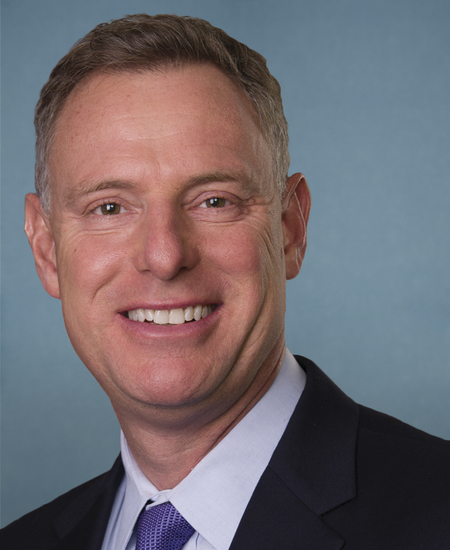
Rep. Scott H. Peters
Sponsored bills
Cures 2.0 Act This bill addresses pandemic preparedness and public health issues, caregiver and patient engagement, drug development, insurance coverage, and biomedical research. The Department of Health and Human Services (HHS) must undertake research and other activities concerning COVID-19 and develop a strategy for future pandemics and declared emergencies. Additionally, the bill specifies actions to combat antimicrobial resistance. HHS may award grants for caregiver training. The bill also addresses diversity in clinical trials, collecting patient experience data during clinical trials, and coverage for care related to participation in specified clinical trials. The bill modifies the timeframe and requires additional guidance relating to expedited approval of certain breakthrough drugs, devices, or products. It also establishes two intercenter institutes within the Food and Drug Administration (FDA) focused on particular diseases that meet specified criteria. The bill also addresses (1) coverage in Medicare, Medicaid, and the Children's Health Insurance Program for telehealth, genetic and genomic testing, and other services; (2) electronic prescribing standards for Medicare drug benefits; and (3) access to Medicare and Medicaid claims data by certain registries. Furthermore, the bill prohibits the use of geographic tracking or biometrics in Medicaid electronic visit verification systems. The bill establishes the Advanced Research Projects Agency for Health (ARPA-H) within the National Institutes of Health to accelerate biomedical research and innovation through grants, contracts, cash prizes, and other means. The FDA may work with ARPA-H to expedite the development of medical products through specified activities.
Accelerating Access to Critical Therapies for ALS Act This bill establishes grant programs to address neurodegenerative diseases, such as amyotrophic lateral sclerosis (also known as ALS or Lou Gehrig's disease), and contains other related provisions. The Department of Health and Human Services (HHS) shall award grants to eligible entities for scientific research utilizing data from expanded access to investigational ALS treatments for individuals who are not otherwise eligible for clinical trials. The Food and Drug Administration (FDA) shall award grants to public and private entities to cover the costs of research and development of drugs that diagnose or treat ALS and other rare neurodegenerative diseases. HHS shall also establish the Public-Private Partnership for Neurodegenerative Diseases between the National Institutes of Health, the FDA, and at least one eligible entity (generally, an institution of higher education or a nonprofit organization). The partnership shall support the development and regulatory review of drugs that address ALS and other rare neurodegenerative diseases. The FDA shall publish on its website a five-year action plan for fostering the development of drugs that improve or extend the lives of people living with rare neurodegenerative diseases. The Government Accountability Office must report to Congress about the grants provided under this bill, including an analysis of the impact of such grants on research and development of treatments for ALS.
This bill posthumously provides for the award of a Congressional Gold Medal in commemoration of the 13 service members who died on August 26, 2021, while stationed at Hamid Karzai International Airport in Afghanistan.
Designates the facility of the United States Postal Service located at 3045 Sacramento Street in Placerville, California, as the "Deputy Sheriff Brian Ishmael Post Office."
Humane Cosmetics Act of 2021 This bill generally prohibits animal testing in the evaluation of cosmetic products, and it prohibits the sale or transport of cosmetics developed using animal testing, subject to civil penalties. These prohibitions begin one year after enactment. The bill specifies exceptions to these prohibitions, including if such animal testing (1) is conducted outside the United States to comply with a foreign regulatory authority; (2) is pursuant to a specified finding that there are no nonanimal alternatives to test the safety of a potentially dangerous cosmetic product or ingredient; (3) is of a product or ingredient for a drug or device subject to regulation by the Food and Drug Administration (FDA); or (4) is required for a noncosmetic purpose pursuant to a state, federal, or foreign regulatory authority. Further, no animal-testing evidence may be used to establish the safety of a cosmetic product or ingredient that is regulated by the FDA after the effective date of this bill, subject to limited exceptions.
Military Dependents School Meal Eligibility Act of 2021 This bill allows certain dependent children in households of active duty members of the Armed Forces to qualify for free and reduced-price school meals through a direct certification process.
Employee Retention Tax Credit Reinstatement Act This bill provides for a reinstatement of the employee retention tax credit through 2021. The credit was established to compensate employers whose businesses were negatively impacted by the COVID-19 pandemic for wages paid to their employees.
Responsible Budgeting Act This bill establishes new procedures and requirements for suspending the federal debt limit and considering debt reduction legislation.
Disclosing All Spending That Ensures Relief Act or the DISASTER Act This bill requires federal agencies to track and disclose on a centralized website certain data on funding, outlays, and financial damages relating to disasters and emergencies.