

Prevent All Soring Tactics Act of 2022 or the PAST Act of 2022 This bill addresses the practice of soring horses. The soring of horses includes various actions taken on horses' limbs to produce higher gaits that may cause pain, distress, inflammation, or lameness. Specifically, the bill expands soring regulation and enforcement at horse shows, exhibitions, sales, and auctions, including by establishing a new system for inspecting horses for soring. In addition, the bill increases penalties for violations.
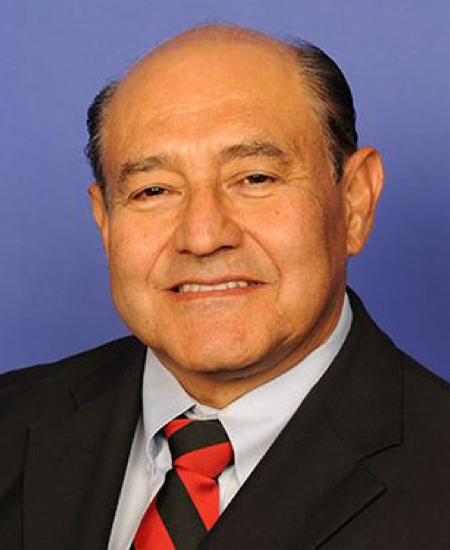
Rep. J. Luis Correa
Sponsored bills
Norman Y. Mineta Japanese American Confinement Education Act This bill increases the authorization of appropriations for the Japanese American Confinement Sites (JACS) grant program, which supports the preservation of U.S. confinement sites that were used to detain Japanese Americans during World War II (i.e., internment camps). It also establishes a program within JACS to provide grants to Japanese American nonprofits to educate individuals about the historical significance of these events.
This resolution expresses the sense of the House of Representatives that (1) lesbian, gay, bisexual, transgender, queer, intersex, and asexual (LGBTQIA+) rights are human rights and protected by the U.S. Constitution; (2) LGBTQIA+ Pride Month should be celebrated; and (3) all Americans should be treated equally regardless of sexual orientation or gender identity.
This resolution reaffirms the goals of World Refugee Day and the commitment of the United States to promote the safety and well-being of refugees and asylum seekers.
This resolution expresses the sense of the House of Representatives that the proposed constitutional amendment known as the Equal Rights Amendment has been duly proposed by Congress and ratified by the states and is therefore valid as the Twenty-Eighth Amendment to the Constitution. (The proposed amendment prohibits the United States or any state from denying or abridging equal rights under the law on account of sex.)
This resolution recognizes the annual celebration of Dia de los Muertos. The resolution urges the United States and the Department of Homeland Security to promote policies that uphold the human dignity of each migrant person and put an end to migrant deaths along the U.S.-Mexico border. Finally, this resolution calls on the United States and the Department of Health and Human Services to promote policies focused on COVID-19 protections and ensure that all communities have equal access to these to put an end to COVID-19 related deaths.
This resolution recognizes Immigrant Heritage Month in honor of the contributions immigrants and their children have made to the United States. It also welcomes immigrants presently in the United States and individuals seeking to immigrate to the United States to contribute to the health, safety, diversity, and prosperity of the United States.
Renewing Immigration Provisions of the Immigration Act of 1929 This bill expands eligibility for a program that authorizes the Department of Homeland Security to, at its discretion, provide lawful permanent resident status to certain long-term residents of the United States, including individuals who are unlawfully present. Currently, this program, sometimes referred to as the Registry program, is only available to eligible non-U.S. nationals ( aliens under federal law) who entered the United States before January 1, 1972. The bill removes this entry cutoff date and opens up the program to eligible individuals who have resided in the United States for at least seven years. Existing requirements (e.g., the individual must not be inadmissible or deportable due to certain grounds related to crime or terrorism) continue to apply.
Right to Try Clarification Act This bill specifies that investigational drugs that are provided directly to individuals from manufacturers without the need for federal regulatory approval (i.e., via the Right to Try pathway) are exempt from restrictions that would otherwise apply under the Controlled Substances Act (e.g., restrictions on the use or possession of schedule I controlled substances).
Supporting Opportunities to Build Everyday Responsibility Act of 2022 or the SOBER Act of 2022 This bill directs the Department of Justice to establish a grant program to provide funding for 24-7 sobriety programs. It also directs the National Institute of Justice to evaluate the policies and procedures used by grant recipients to reduce crime, recidivism, and incarceration attributed to use of alcohol or controlled substances.