

Maddy summaryThis bill would strengthen protections for employees and retirees during business bankruptcies by increasing wage priority from $10,000 to $20,000, ensuring severance pay is deemed earned upon layoff, and creating new claims for pension losses. It also restricts how bankrupt companies can modify collective bargaining agreements, requiring court approval for such changes and mandating that purchasers of business assets maintain employee benefits. Additionally, the bill limits executive compensation in bankruptcy by restricting special payments and requiring court approval for certain compensation plans. These changes directly affect employees, retirees, and their representatives in bankruptcy cases, aiming to prevent them from bearing the brunt of business failures while in bankruptcy proceedings.
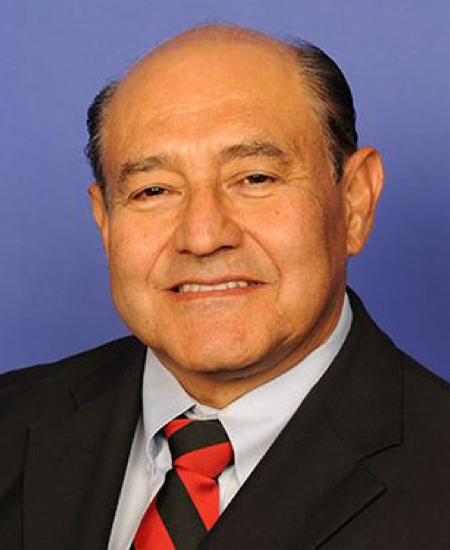
Rep. J. Luis Correa
Sponsored bills
Maddy summaryThis bill requires the Department of Homeland Security (DHS) to create a detailed plan within 180 days of enactment to identify, integrate, and deploy emerging technologies - including AI, advanced sensors, drones, and communication systems - to enhance U.S. border security operations. The plan must assess current CBP Innovation Teams, evaluate privacy impacts on border communities, identify outdated legacy systems for replacement, and outline coordination with private companies, universities, and federal labs. It also mandates annual reports on pilot projects, transition progress for successful technologies, and metrics to measure effectiveness. The direct effect is on CBP and DHS leadership, who must implement these requirements to address border security gaps using new technologies.
Maddy summaryHR 4406, the DHS Basic Training Accreditation Improvement Act of 2023, requires the Department of Homeland Security (DHS) to annually report to Congress on the accreditation status of its basic law enforcement training programs. The reports must detail when programs achieved accreditation, reasons for lack of accreditation, accreditation managers, and timelines for future accreditation, with reporting ending once all programs are accredited. If a program loses accreditation, DHS must notify the Secretary within 30 days and the Secretary must inform Congress within another 30 days about the reason and plans to regain accreditation. The bill also directs DHS to research ways to improve access to federal training for state, local, tribal, and territorial law enforcement, especially in rural areas. This bill focuses on transparency and accountability for DHS training standards, not direct policy changes for the public.
Maddy summaryHR 10476, the "End Airline Extortion Act," prohibits airlines from giving financial incentives to employees or contractors for requiring passengers to pay extra fees (like for baggage, seating, or in-flight services) as a condition of boarding. It also bans airlines from charging different prices or fees for the same service based on protected characteristics, such as disability status or family situation. The bill defines "covered characteristics" using existing law and clarifies that policies allowing free or discounted travel for children do not violate these rules. This law directly affects airlines operating under U.S. Code Title 49 and passengers purchasing add-on services.
Maddy summaryHR 3269, the Law Enforcement Innovate to De-Escalate Act, exempts specific less-than-lethal projectile devices from federal firearm taxes and National Firearms Act restrictions. The bill defines these devices as those firing projectiles at under 500 feet per second and designed not to cause death or serious injury. This directly affects law enforcement agencies using such devices and manufacturers producing them, by removing tax burdens and registration requirements. The key change is creating a clear legal exemption for these devices under federal law, streamlining their use for de-escalation purposes.
Maddy summaryThe Save Our Sequoias Act establishes a coordinated approach to protect giant sequoia groves in California from wildfires, insects, and drought. It creates a Giant Sequoia Lands Coalition including federal agencies, state governments, and the Tule River Indian Tribe to assess grove health, develop protection projects, and recommend forest management activities. The bill streamlines implementation of certain projects through categorical exclusion from environmental reviews, authorizes $10-40 million annually for conservation efforts, and establishes a fund for philanthropic support of sequoia protection.
Maddy summaryThis bill (HR 10237) requires U.S. Customs and Border Protection (CBP) to create new guidelines within 180 days for handling personal belongings of individuals arrested, restrained, or confined by CBP. The guidelines must ensure detainees can keep as much property as operationally feasible, return all stored items upon release, and specify essential categories like medical devices, IDs, phones, and legal documents that must remain with or be returned to the individual. CBP must also provide written receipts for stored items, detail circumstances for discarding property, and track compliance through annual reports to Congress. The bill mandates consultation with advocacy groups and includes oversight by the Comptroller General to review implementation and effects on CBP operations.
Maddy summaryThis bill extends Medicare payment adjustments for physicians and other practitioners through 2025 instead of ending in 2024. It specifically adds a 4.73% payment increase for services provided between January 1, 2025, and January 1, 2026. The legislation modifies existing Medicare payment rules to stabilize practice revenues during transition periods. It directly affects doctors and healthcare providers who bill Medicare for patient services. The key change is the extended timeframe and the defined 4.73% rate for the 2025-2026 period.
Maddy summaryThis bill directs the Comptroller General to study the 1-800-MEDICARE call center within one year of enactment. It requires a report analyzing customer wait times, satisfaction, staffing levels, contractor performance, and previous recommendations. The study will assess service quality and evaluate actions taken by the Health and Human Services Secretary or contractors in response to past findings. The report aims to inform potential future improvements for Medicare beneficiaries who rely on this service.
Maddy summaryThis bill creates an exemption from certain physician self-referral rules for specific rural hospitals. It defines a "covered rural hospital" as one located more than 35 miles (or 15 miles in mountainous terrain) from another hospital or critical access hospital, primarily affecting rural facilities in remote areas. The bill also removes restrictions preventing physician-owned hospitals from expanding their services. These changes directly impact rural hospitals meeting the new distance criteria and physicians owning hospitals in those areas, while leaving most existing Medicare self-referral rules unchanged.