

Maddy summaryHR 6121, the Filipino Veterans Fairness Act of 2023, expands U.S. veterans benefits for individuals who served in the Philippine Army, Philippine Scouts, or recognized guerrilla forces during World War II. It directly affects Filipino veterans who previously faced challenges proving service due to limited documentation. The bill allows the Secretary of Veterans Affairs to consider alternative records beyond the National Personnel Records Center rosters when determining eligibility, requires annual reports to Congress on applications and approvals, and clarifies that the Filipino Veterans Equity Compensation Fund does not apply to these veterans. These changes aim to streamline access to benefits for this specific group of veterans.
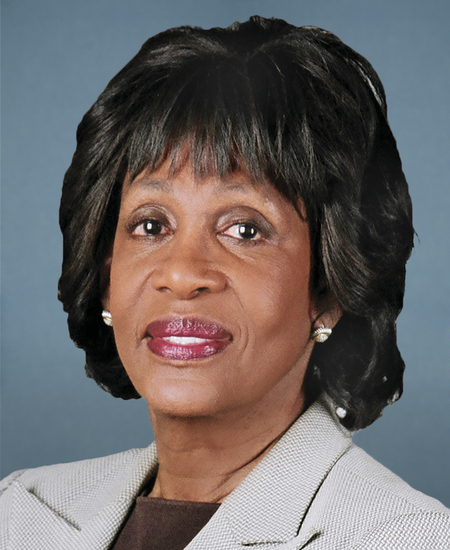
Rep. Maxine Waters
Sponsored bills
Maddy summaryHR 6224 establishes the Street Racing Prevention and Intervention Task Force within the FBI, requiring it to be formed within 90 days of enactment. The task force, composed of federal and state/local law enforcement representatives, will study street racing and vehicle sideshows (defined as illegal races or traffic-blocking stunts on public roads), develop best practices for law enforcement, create educational materials, and coordinate responses across agencies. It must submit a progress report to congressional judiciary committees within one year. This bill creates a federal coordination mechanism but does not impose new penalties or alter existing laws.
Maddy summaryThe SMOKE Act establishes new federal workplace safety standards to protect employees from wildfire smoke exposure. It requires employers to monitor PM2.5 air quality (AQI ≥151), implement engineering controls (like filtered buildings), provide respirators, and communicate risks when smoke levels are hazardous. Employees at risk of health harm from smoke can take up to 12 weeks of unpaid leave per year, with job protection upon return. The law excludes emergency responders and workplaces with certified filtered air systems (e.g., closed vehicles or buildings with filtered ventilation). OSHA must finalize these standards within 42 months of enactment.
Maddy summaryThis resolution (HRES 839) condemns antisemitism at U.S. colleges and universities and urges campus leaders to publicly oppose hate speech targeting Jewish students, faculty, and staff. It encourages university presidents, administrators, and faculty to speak out against speech that promotes violence or discrimination based on religion, national origin, or ancestry. The resolution specifically calls on institutions to support Jewish student organizations and ensure Jewish members can study and work without fear. As a non-binding resolution, it does not create new laws but expresses congressional support for addressing antisemitism on campuses.
Maddy summaryHR 5983, the Clean Water Act of 2023, redefines "protected water resources" under federal law to explicitly include all interstate and intrastate waters (such as intermittent and ephemeral streams), wetlands, and their tributaries. This directly affects federal agencies like the EPA, states managing water quality, and developers or landowners needing permits for activities near these waters. The bill eliminates the Supreme Court’s narrow "navigable waters" definition from Sackett v. EPA (2023), restoring protections for tens of millions of acres of wetlands and millions of miles of small streams. Key mechanisms require the EPA to annually review and adjust exclusions from protections based on scientific evidence, ensuring water bodies critical to drinking water, flood control, and ecosystems remain safeguarded.
Maddy summaryHRES 771 is a non-binding resolution expressing the U.S. House of Representatives' support for Israel following Hamas' October 7, 2023, attack. It condemns Hamas' actions, affirms Israel's right to self-defense, and calls for the immediate release of hostages. The resolution also urges enforcement of existing laws restricting aid to terrorists and sanctions against Iran for supporting Hamas. It does not create new policies or allocate funds, as it is a symbolic statement of congressional support.
Maddy summaryHR 6039, the CLASS Act of 2023, prevents colleges and universities from requiring students to agree to arbitration clauses or other restrictions that limit their ability to sue the institution in court. The bill amends the Higher Education Act to prohibit institutions from enforcing any agreement that restricts students' access to courts - such as limiting venue, jury trials, or choice of law - when pursuing claims related to their enrollment. It directly affects students who sign enrollment contracts with higher education institutions and ensures they can seek legal remedies without forced arbitration. The law removes federal arbitration law (Title 9, Chapter 1) from these student-institution agreements.
Maddy summaryThe Safe Schools Improvement Act (HR 6031) requires public elementary and secondary schools to implement comprehensive anti-bullying policies that specifically prohibit harassment based on protected characteristics like race, gender identity, disability, religion, and sexual orientation. It mandates schools to collect and publicly report annual data on bullying incidents while establishing clear grievance procedures for students and parents. The bill also requires states to submit biennial reports on school compliance and supports evidence-based interventions, such as restorative practices, to reduce exclusionary discipline. This legislation directly affects all public K-12 schools and students in the U.S., aiming to create safer learning environments through standardized policy requirements and data transparency.
Maddy summaryThis bill authorizes the presentation of a Congressional Gold Medal to the United Negro College Fund (UNCF) and its member Historically Black Colleges and Universities (HBCUs) to recognize the UNCF's 80-year service. It directs the U.S. Treasury to strike the medal and sell bronze duplicates to cover costs, with proceeds going to the U.S. Mint. The medal commemorates the UNCF's role in supporting HBCUs and African-American students through scholarships and fundraising, as detailed in the bill's findings. The measure is purely ceremonial and does not create new policy or funding.
Maddy summaryThe Rail Worker and Community Safety Act establishes a minimum 2-person crew requirement for most freight trains (with exceptions for smaller carriers or specific low-risk operations), mandates new safety regulations for hazardous materials transportation including advance notification to emergency response agencies, and requires rail carriers to provide employees with earned paid sick time (1 hour for every 30 hours worked). The bill also sets a minimum requirement of 425 federal rail safety inspectors with specialized expertise across various safety domains, along with additional funding for hiring and compensation. These provisions directly affect rail carriers, rail workers, and communities near rail operations, aiming to enhance rail safety and worker protections through concrete policy changes.