

Maddy summaryHR 8231, the James Earl Jones Congressional Gold Medal Act, authorizes a Congressional Gold Medal to be awarded to actor James Earl Jones in recognition of his distinguished career in theater and film, and his role in advancing inclusion and equal opportunities for people of all backgrounds in the entertainment industry. The Treasury will strike the medal with an image and inscription of Jones, and may produce and sell bronze duplicates to cover costs, with proceeds deposited into the U.S. Mint's public enterprise fund. This bill serves as a ceremonial honor with no new legal requirements or policy changes.
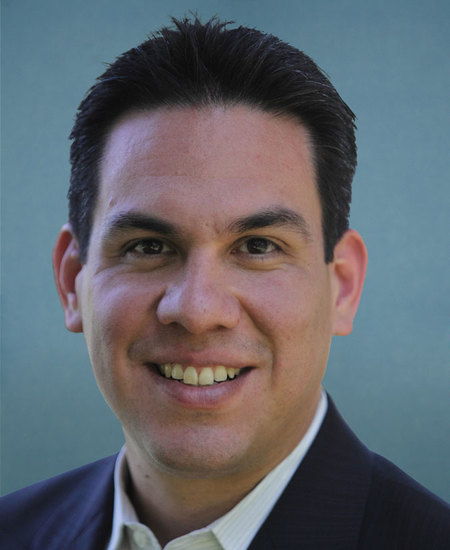
Rep. Pete Aguilar
Sponsored bills
Maddy summaryHRES 1186 is a non-binding House resolution recognizing the critical role of Guatemala's Indigenous communities - including Maya, Garifuna, and Xinka peoples - in defending democratic elections after the 2023 vote, despite systemic discrimination and marginalization. It highlights historical inequities (e.g., 75% Indigenous poverty vs. 36% non-Indigenous) and urges the Guatemalan government to honor commitments to represent all citizens equitably. The resolution specifically directs U.S. officials to encourage transparency in Guatemala, monitor corruption ties, and support Indigenous-led democracy efforts. It does not create new laws but formally expresses U.S. support for Indigenous rights and democratic processes in Guatemala. (HRES 1186, April 30, 2024)
Maddy summaryHR 3303, the Maternal Health for Veterans Act, requires the Department of Veterans Affairs (VA) to annually report on maternity care coordination programs and maternal health outcomes for veterans receiving care through VA facilities or VA-contracted providers. The bill mandates the VA to collect data on maternal outcomes - including disparities affecting high-risk demographic groups - and submit recommendations to Congress by September 2028. It authorizes $15 million annually (2024-2028) for VA maternity care coordination programs, supplementing existing funding without reducing current resources. The law directly affects veterans using VA maternity services, aiming to improve care through data-driven strategies.
Maddy summaryHR 7849, the Disaster Resiliency and Coverage Act of 2024, establishes a federal grant program to help homeowners in high-risk disaster areas make their homes more resilient. The program provides up to $10,000 per household (adjusted annually for inflation) for specific qualifying mitigation activities, such as reinforcing roofs, installing flood barriers, or creating fire-resistant landscaping. Homeowners must have an adjusted gross income under $250,000 ($500,000 for joint filers) and the work must meet FEMA-established standards. States and tribal governments administer the program, with funds intended to incentivize insurance companies to offer or increase coverage in vulnerable areas.
Maddy summaryHR 7770, the Rosie the Riveter Commemorative Coin Act, authorizes the U.S. Mint to produce and sell three commemorative coins honoring women who worked on the U.S. home front during World War II. It specifies $5 gold coins (max 50,000), $1 silver coins (max 400,000), and half-dollar coins (max 750,000), all to be issued between January 1, 2025, and December 31, 2025. Each coin sale includes a surcharge ($35 for gold, $10 for silver, $5 for half-dollar), with all surcharge funds directed to the Rosie the Riveter Trust for maintaining the Rosie the Riveter WWII Home Front National Historical Park and educational programs. The coins will feature designs reflecting the legacy of diverse women workers and must meet specific weight, diameter, and composition standards.
Maddy summaryHR 6727 establishes the United States Foundation for International Conservation, a nonprofit organization that will provide grants to support long-term management of protected and conserved areas in eligible countries. The Foundation requires a 2:1 cost match from other sources, demands host country and community consent through binding agreements, and prioritizes areas with high biodiversity or species of significant importance. It will be governed by a Board of Directors including government officials and private sector experts, operate for 10 years with $1 million authorized for 2024 and $100 million annually from 2025-2035, and must follow international conservation standards while prohibiting funding for countries supporting terrorism or violating human rights.
Maddy summaryHR 7698 establishes a new Office of Civic Bridgebuilding within the Corporation for National and Community Service to support programs reducing polarization and improving social cohesion. It authorizes $25 million annually (2025-2027) for competitive grants to nonprofits, community groups, and educational institutions to fund projects addressing local needs like healthcare gaps or environmental concerns through research-backed methods. Grantees must demonstrate how projects engage diverse communities, ensure participant safety (especially for marginalized groups), and use standardized metrics to track effectiveness. The Office will oversee grants, support training, and maintain a public research base on civic bridgebuilding best practices.
Maddy summaryThis resolution (HRES 1034) is a procedural measure that formally appoints two members to specific House standing committees. It elects Congressman Thomas Suozzi to the Committee on Homeland Security (with ranking immediately after Congressman Bob Menendez) and Congresswoman Ayanna Pressley to the Committee on Oversight and Accountability. The resolution does not change policy or affect constituents; it simply confirms committee assignments for the 118th Congress. As a routine administrative action, it has no substantive policy impact.
Maddy summaryHRES 999 elects Representative Mr. Gomez to the House Committee on Ways and Means. This procedural resolution formally appoints him to the committee, directly affecting the committee's membership and operations. The resolution serves as a routine administrative step to fill a committee seat, with no substantive policy changes or broader impacts. It does not alter laws or government programs but ensures the committee has its full membership for legislative work.
Maddy summaryHR 7056, the Access to Family Building Act, establishes federal rights for individuals to access assisted reproductive technology (ART) like IVF without unreasonable restrictions, directly affecting patients seeking fertility treatments and health care providers offering ART services. The bill prohibits states from imposing limitations on ART that are more burdensome than those for comparable medical procedures, fail to advance safety, or unduly restrict access, while allowing health and safety regulations that are necessary and least restrictive. It creates federal enforcement mechanisms, including lawsuits by the Attorney General or affected individuals to challenge violating state laws, and preempts conflicting state regulations. The bill explicitly preserves state authority over health/safety regulations and does not alter existing state insurance coverage laws for ART.