

Maddy summaryHR 4992, the FEMA Critical Staffing Act, requires the Federal Emergency Management Agency (FEMA) to reinstate employees who were involuntarily separated between January 20, 2025, and the bill’s enactment date, within 30 days of passage. It directly affects FEMA staff who lost their positions during that period and ensures continued support for communities relying on FEMA programs. The bill mandates reinstating two key programs: the Building Resilient Infrastructure and Communities program (for state/local disaster preparedness) and the flood mitigation assistance program (for flood risk reduction projects), while prohibiting cuts to existing disaster resource access. These provisions aim to maintain FEMA’s workforce and program continuity amid increasing climate-driven disasters.
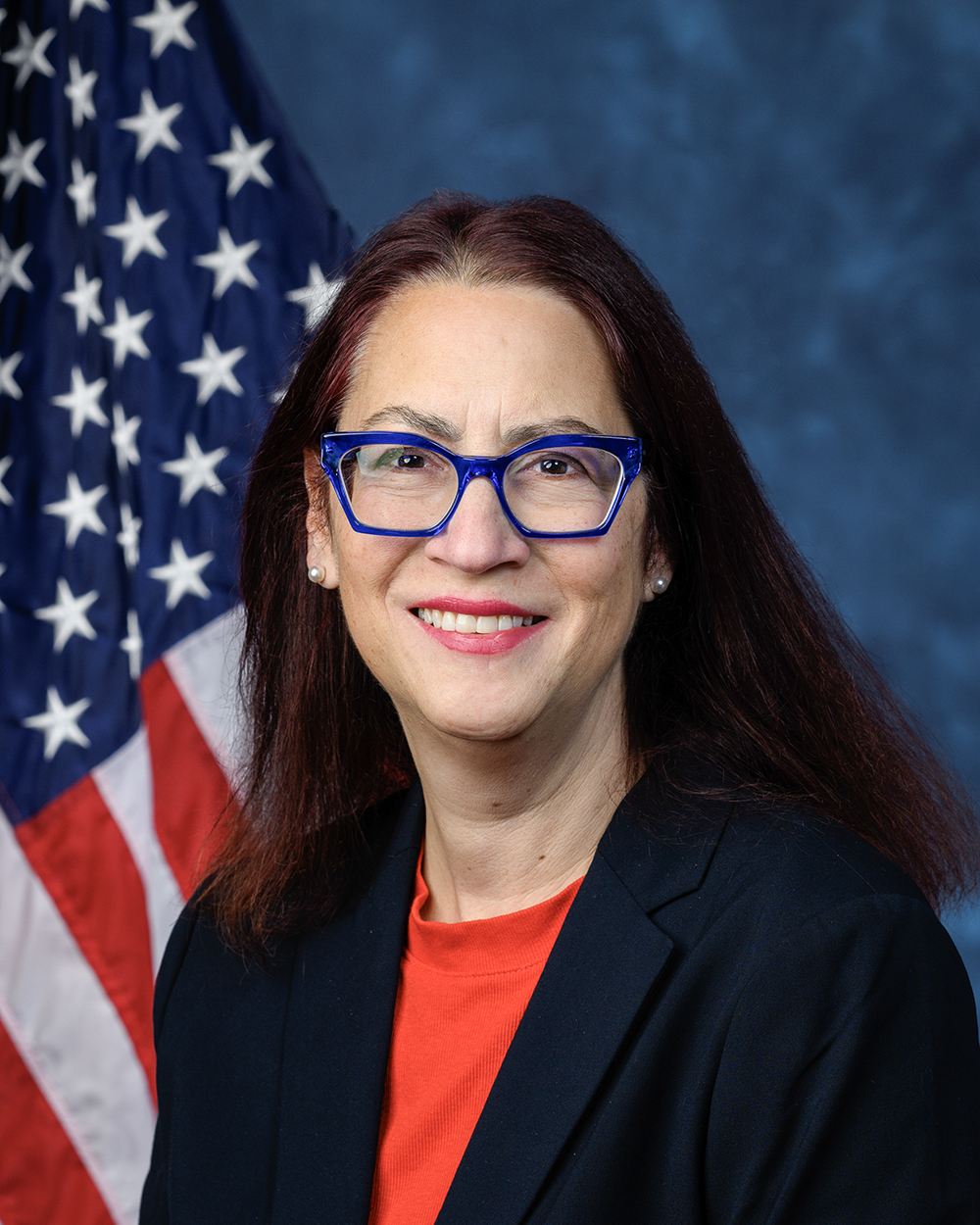
Rep. Laura Friedman
Sponsored bills
Maddy summaryHR 4966 prohibits grocery stores from selling items at "grossly excessive prices," defined as 120% or more above the average market price over the previous six months (with exceptions for unavoidable cost increases like supply chain issues). It bans using facial recognition or personal data to set different prices for individual customers (e.g., adjusting prices based on shopping history) and requires clear signage if facial recognition is used. Stores over 10,000 square feet must replace electronic shelf labels with physical price tags. The Federal Trade Commission enforces these rules, allowing consumers to seek $3,000 per violation or actual damages, with penalties for willful violations.
Maddy summaryThis bill requires employers with 50+ call center employees to notify the Labor Secretary 120 days before moving operations overseas or contracting such work abroad. It creates a public list of these employers, barring them from federal grants or loans for 5 years (with limited exceptions for national security or job loss). Businesses must disclose agent locations and AI use at the start of customer service calls, allowing consumers to request transfer to a U.S.-based human agent. The law applies to all major call center employers and takes effect one year after enactment.
Maddy summaryHRES 623 is a non-binding House resolution expressing support for science diplomacy as a tool to address global challenges and strengthen international partnerships. It calls on the Secretary of State to establish a Science and Technology Advisory Board, elevate the Science and Technology Adviser to Assistant Secretary-level status, improve technical staffing in the State Department, and assess creating a Foreign Service Reserve for science experts. The resolution emphasizes science diplomacy’s role in building cooperation - citing examples like CERN and SESAME - but does not create new legal requirements. It focuses on policy recommendations for the Department of State to modernize its science engagement efforts.
Maddy summaryThe CREATE Act increases tax credit limits for film and television productions, raising the annual spending cap from $15 million to $30 million for qualified productions and adjusting related thresholds from $20 million to $40 million. It adds an annual inflation adjustment mechanism to these limits starting in 2026, automatically increasing them based on the cost-of-living index. The bill extends the program's expiration date from December 31, 2025, to December 31, 2030. This directly affects producers of eligible entertainment projects by expanding available tax credits and providing long-term stability for the industry. The changes apply to productions starting in taxable years ending after December 31, 2025.
Maddy summaryThis bill adjusts health insurance subsidies by modifying the premium tax credit structure under the Internal Revenue Code. It replaces previous income thresholds with a sliding-scale formula, increasing subsidies for households earning between 150% and 400% of the federal poverty level - reducing their required premium payments as income rises within these tiers. The changes apply to tax years beginning after December 31, 2025, directly affecting middle-income individuals and families purchasing coverage through health insurance marketplaces. It also repeals specific provisions from a prior reconciliation law related to health care.
Maddy summaryThis bill removes a barrier preventing most low-income students from accessing SNAP benefits. It amends the Food and Nutrition Act to explicitly allow students enrolled at least half-time in recognized higher education programs to qualify for SNAP, reversing a prior exclusion. The key change eliminates the previous requirement that students meet specific exceptions (now deleted) and adds a new eligibility category under Section 3(m)(5). This directly affects low-income undergraduate and graduate students at colleges and training programs who were previously ineligible. The changes take effect January 2, 2026.
Maddy summaryHR 4796, the Restoring Essential Healthcare Act, repeals a provision that blocked Medicaid payments to certain healthcare providers during a specific period. It directly affects Medicaid beneficiaries who received care from these providers between the enactment of the prior law (Public Law 119-21) and this bill's enactment. The key provision retroactively restores Medicaid payments for services already provided during that blocked period, treating the payment restriction as if it never existed. This change ensures eligible individuals and providers receive reimbursement for covered care delivered during the prohibited timeframe.
Maddy summaryThe Ethics in Energy Act of 2025 prohibits large electric and natural gas utilities from charging customers (ratepayers) for expenses related to political influence activities. It directly affects major covered utilities - defined as electric companies with high annual sales volumes or major natural gas companies - and their customers. Key provisions require these utilities to publicly report all political-related expenses (including lobbying, PR campaigns, or trade association dues) and prevent them from recovering such costs through customer bills. The Federal Energy Regulatory Commission must create rules within 18 months to enforce this, impose penalties (up to triple the expense amount for large violations), and distribute half of collected penalties as customer rebates.
Maddy summaryHR 4763, the PTO Act, requires most employers to provide employees with at least 1 hour of paid annual leave for every 25 hours worked, with a maximum of 80 hours per year. It applies to private-sector workers and certain government employees, protecting their right to use paid leave for any purpose without disclosing the reason. The bill mandates employers to maintain health benefits during leave, allow carryover of up to 40 hours of unused leave, and pay out unused leave upon separation. It also prohibits employers from discriminating against employees for using paid leave or requiring them to find replacements while on leave. The law includes enforcement mechanisms, allowing employees to file complaints with the Department of Labor or pursue private lawsuits.