

Maddy summaryHR 7142 (Alternatives to PAIN Act) requires Medicare Part D plans to cover non-opioid pain management drugs with no deductible and at the lowest copay level starting in 2025. It defines "qualifying non-opioid drugs" as FDA-approved medications that don’t act on opioid receptors (like certain NSAIDs or nerve pain treatments), excluding opioids and schedule I-III drugs. The bill prohibits Medicare plans from forcing patients to try opioids first (step therapy) or requiring prior approval for these non-opioid options. It directly affects Medicare beneficiaries needing pain management, especially those seeking alternatives to opioids for post-surgical or acute pain. The policy change aims to improve access to non-addictive pain treatments while preserving doctors' authority to prescribe medically appropriate care.
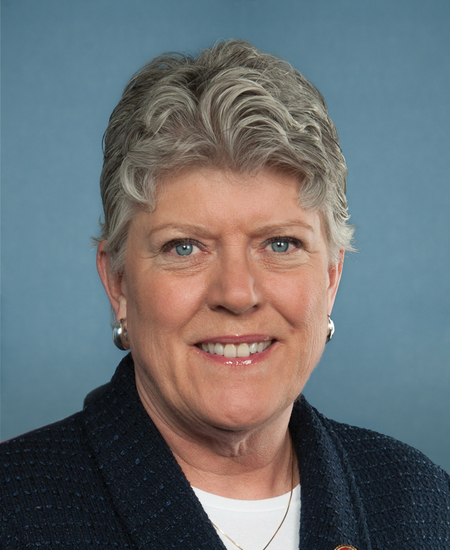
Rep. Julia Brownley
Sponsored bills
Maddy summaryThe Nutrition CARE Act of 2024 expands Medicare Part B coverage to include medical nutrition therapy services for beneficiaries diagnosed with eating disorders. It directly affects Medicare beneficiaries with eating disorders - particularly an estimated 420,500-560,700 Black, Indigenous, and People of Color seniors - by requiring coverage for 13 hours of initial care (including assessment) and 4 hours annually for ongoing management. The bill amends Medicare law to specify that these services must be provided by registered dietitians or nutrition professionals following referrals from physicians or psychologists. Coverage applies to all eating disorders as defined by the DSM-5, addressing a gap where Medicare previously excluded this critical treatment component. This policy change aims to improve access to evidence-based care for a condition linked to high mortality and significant healthcare costs.
Maddy summaryHR 6790 establishes National Institutes of Health centers to advance research, early detection, and public awareness of rare kidney diseases, with a focus on rural and underserved communities. It mandates a federal study on genetic testing barriers, treatment patterns, and public awareness for rare kidney diseases affecting disproportionately impacted populations, including barriers to insurance coverage and access to specialists. The bill also funds nephrology training programs to increase specialists serving these communities and requires experiments to delay or prevent the need for dialysis and transplants. Total funding of $7 million is authorized for fiscal years 2024-2028 to support these research, education, and early intervention efforts.
Maddy summaryThe Preserving Seniors’ Access to Physicians Act of 2023 increases the Medicare payment adjustment rate for physicians from 1.25% to 4.62%, directly affecting doctors who treat Medicare patients (primarily seniors). It also reduces the funding for the Medicaid improvement fund from $5,796,117,810 to $3,973,117,810. These changes impact Medicare providers and Medicaid programs, with the Medicare adjustment aimed at supporting physicians adjusting to payment changes. The bill does not specify how the Medicaid funding reduction relates to its stated goal of preserving seniors' access to physicians.
Maddy summaryThis bill modifies Medicare Part B late enrollment penalties to better accommodate people with temporary coverage gaps. It increases the penalty rate from 10% to 15% of the monthly premium but limits the penalty period to twice the months without coverage (instead of 12-month increments). It also excludes months with COBRA, retiree, or VA health coverage from penalty calculations and creates a special enrollment period when such coverage ends. These changes directly affect Medicare Part B enrollees who lost employer or retiree coverage, reducing their potential extra fees for late enrollment.
Maddy summaryHR 6407, the Medical Nutrition Therapy Act of 2023, expands Medicare coverage to include medical nutrition therapy for more chronic conditions beyond current limits. It directly affects Medicare beneficiaries with conditions like obesity, hypertension, dyslipidemia, eating disorders, and others not previously covered under Part B. The bill amends Medicare rules to allow coverage for prevention, management, or treatment of these conditions by a wider range of providers, including registered dietitians and clinical psychologists. This change would make medically necessary nutrition services available for conditions listed in the bill, such as diabetes, cardiovascular disease, and HIV, as determined by the Secretary.
Maddy summaryThis bill amends customs fee rules to allow U.S. Customs and Border Protection (CBP) to adjust merchandise processing fees to cover capital costs like equipment upgrades and facility construction/maintenance at sea ports of entry. It requires CBP to submit annual reports detailing how fee proceeds are used for port infrastructure and outlining remaining capital needs. The bill also prohibits CBP from requiring sea ports to provide administrative, training, or recreational facilities for CBP operations. These provisions aim to improve CBP's funding transparency and infrastructure planning at border ports.
Maddy summaryThe ARCC Act provides $100 million in federal funding to help apprentices and pre-apprentices in job training programs cover childcare costs. It authorizes competitive grants to 10 states, which must distribute monthly stipends of at least $500 per dependent child directly to eligible childcare providers on behalf of participants in these programs. The bill prioritizes individuals from historically underrepresented groups (based on race, ethnicity, or gender) and ensures stipends are tax-free while not affecting eligibility for other federal benefits. States must report on participation, program completion rates, and demographic data, with the Secretary later summarizing program impacts for Congress.
Maddy summaryThis bill creates a Medicare buy-in option for retired or disabled first responders aged 50-64 who have lost employer health coverage. It allows them to enroll in Medicare Part A, B, and D (including prescription drug coverage) before age 65, with premiums calculated based on Medicare's average per-person costs. The coverage counts as "minimum essential coverage" under the Affordable Care Act, qualifying individuals for ACA premium tax credits and cost-sharing subsidies. It also establishes an oversight board and outreach grants to assist enrollment, while ensuring the program doesn't reduce benefits for existing Medicare beneficiaries or harm Medicare trust funds.
Maddy summaryHR 5840, the Transportation Security Screening Modernization Act of 2024, simplifies the process for transportation workers to obtain multiple TSA security credentials. It requires the TSA to allow individuals to apply for and renew programs like the TWIC (Transportation Worker Identification Credential) and HAZMAT Endorsement through a single enrollment at any TSA center, with a combined fee lower than separate applications. The bill mandates coordinated expiration dates for all credentials and ensures state-issued commercial driver's licenses reflect the correct HAZMAT endorsement validity. These changes aim to reduce duplication and costs for workers needing multiple security clearances. The TSA must implement these changes within two years and publish details online.