

Maddy summaryHRES 453 designates a day in May 2025 as "Disability Reproductive Equity Day" to raise awareness about reproductive rights disparities faced by people with disabilities. The resolution highlights existing barriers - including forced sterilization laws in 31 states, healthcare access challenges, and higher rates of sexual violence - while affirming that people with disabilities have the right to reproductive autonomy. It does not create new legal requirements but calls for increased awareness and alignment with existing laws like the ADA and Rehabilitation Act. The resolution directly addresses systemic inequities impacting people with disabilities, particularly women, people of color with disabilities, and low-income individuals.
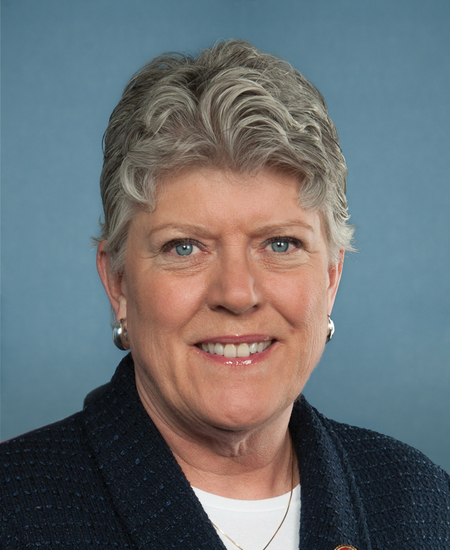
Rep. Julia Brownley
Sponsored bills
Maddy summaryThis non-binding resolution (HRES 456) expresses congressional support for designating May 2025 as "Progressive Supranuclear Palsy Awareness Month." It directly affects individuals living with progressive supranuclear palsy (PSP), a rare neurodegenerative brain disorder impacting movement, cognition, and daily functioning, along with their families and caregivers. The resolution aims to raise public awareness, encourage research funding, and support organizations working to improve care and find treatments for PSP. It does not create new laws or funding but formally recognizes the need for greater attention to this condition.
Maddy summaryHR 3665, the Medicare Economic Security Solutions Act, modifies Medicare Part B late enrollment penalties. It increases the penalty rate from 10% to 15% of the monthly premium but limits the penalty period to twice the original 12-month intervals. The bill also excludes months with COBRA, retiree, or VA coverage from counting toward the penalty and creates a special enrollment period for people whose COBRA or retiree coverage ends. These changes directly affect Medicare Part B enrollees who had gaps in coverage due to employment transitions or other qualifying circumstances.
Maddy summaryThe Menstrual Equity For All Act of 2025 requires schools, colleges, correctional facilities, and federal buildings to provide free menstrual products to those who need them. It makes menstrual products covered by Medicaid, prohibits states from taxing these products, and creates grant programs to support low-income individuals. Key provisions include mandating free products in educational settings, requiring employers with 100+ employees to provide them, and expanding Medicaid coverage for these items. The bill directly affects students, incarcerated individuals, homeless people, Medicaid beneficiaries, and low-income families by addressing period poverty through concrete access requirements.
Maddy summaryHR 3655, the STAR Plus Scholarship Act, creates a federal scholarship program to address shortages in mental health and substance use disorder treatment workforces. It provides tuition and educational expense coverage to students enrolled in approved programs leading to careers as psychiatrists, social workers, addiction counselors, or other mental health professionals. In exchange, recipients must work full-time in designated mental health professional shortage areas or counties with high overdose death rates for one year per scholarship year. The program authorizes $75 million annually (2026-2030) and prioritizes applicants from underrepresented groups or those likely to continue serving in shortage areas after their obligation ends.
Maddy summaryThis bill reorganizes collective bargaining rules for Veterans Health Administration (VHA) employees by removing existing subsections (b), (c), and (d) from Section 7422 of Title 38 and redesignating the current subsection (e) as (b). It directly affects VA health care employees by altering the structure of their collective bargaining framework. The bill explicitly states it does not change the Secretary of Veterans Affairs' existing authorities over incentive pay or expedited hiring under Section 706 of Title 38. The change is purely procedural, focusing on the internal organization of bargaining rules without introducing new employee benefits or obligations.
Maddy summaryHRES 445 is a non-binding resolution designating May as "Sex Ed For All Month" to promote comprehensive sex education. It urges public officials, schools, and health organizations to prioritize evidence-based programs that address racial and gender inequities, reduce unintended pregnancies and STIs, and support all young people - including LGBTQ+ youth and those with disabilities. The resolution emphasizes that inclusive sex education delays sexual activity, increases contraceptive use, and fosters healthy relationships, citing research on its benefits. As a symbolic statement, it does not create new laws or allocate funds but calls for action to ensure equitable access to medically accurate, culturally responsive education.
Maddy summaryHR 3604, the *Reducing Waste in National Parks Act*, requires National Park Service (NPS) units to reduce and eliminate the sale of disposable plastic products (including water bottles, bags, and food containers) where feasible, considering operational factors like cost, waste reduction, and concessioner impacts. Park officials must develop visitor education plans, implement refill stations, and weigh 13 specific factors before eliminating sales, such as infrastructure costs, revenue effects, and public health safety. The program must be evaluated every two years to measure visitor satisfaction, waste collection rates, and safety outcomes. This bill directly affects NPS operations, concessioners, and park visitors who use park facilities.
Maddy summaryHRES 441 is a symbolic House resolution expressing support for designating May 2025 as "Mental Health Awareness Month." It does not create new laws, allocate funding, or change existing policies - it solely aims to raise public awareness about mental health challenges. The resolution cites statistics on rising mental health issues (including youth depression, suicide rates, and disparities in care access) to underscore the need for greater attention. It encourages the public, schools, and organizations to use the month to promote mental well-being and reduce stigma, but contains no concrete policy changes or mandates.
Maddy summaryThis bill extends existing federal reentry programs under the Second Chance Act through 2030, continuing funding for services supporting people returning to communities after incarceration. It specifically maintains grants for state/local reentry projects (including substance use treatment, housing, and peer recovery services), family-based substance abuse treatment, prison/jail educational programs, career training, and community mentoring by nonprofits. The bill updates program timelines from their previous 2019-2023 authorization period to 2026-2030 without altering the core services provided. It directly affects state/local agencies, prisons, and nonprofit organizations administering these reentry programs. The legislation focuses solely on extending current funding mechanisms, not changing program requirements or creating new initiatives.