

Maddy summaryHR 3931, the Kids on the Go Act of 2025, requires states to appoint a "Safe routes to school coordinator" for transportation projects. If a state hires such a coordinator, the federal government will cover 95% of eligible project costs under the relevant transportation program (previously a lower percentage). This bill directly affects state transportation agencies and school districts receiving federal funds for safe routes to school initiatives. The key change is the increased federal funding rate tied to the coordinator position, aiming to improve student safety during school commutes. The bill does not mandate hiring but offers a significant funding incentive for states that choose to implement this role.
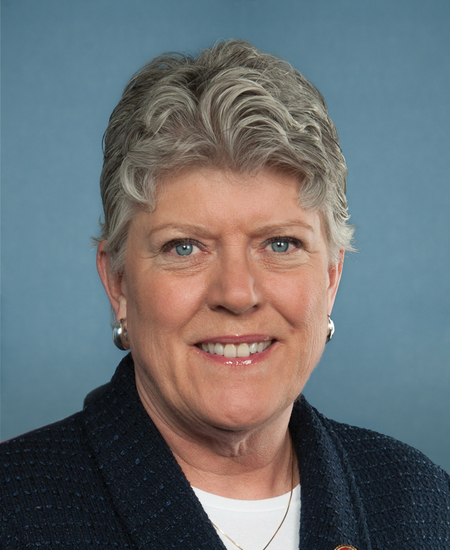
Rep. Julia Brownley
Sponsored bills
Maddy summaryHR 3910, the "Empowering Parents’ Healthcare Choices Act," allows parents to choose which health insurance policy covers their dependent child when both parents have separate health insurance policies at the child's birth. Specifically, parents must submit a joint notification within 60 days of the birth to select one policy as the primary coverage for the child. This choice continues until parents submit a joint notification to change it or until one parent loses their coverage. The bill applies only to children born on or after January 1, 2026, and affects families where both parents have separate health insurance policies covering the child.
Maddy summaryThis bill codifies existing protections for designated roadless areas within the National Forest System by prohibiting new road construction, road reconstruction, and logging in these areas. It directly affects National Forest lands already identified as "inventoried roadless areas" under the current Roadless Rule, which covers roughly 58 million acres. The key mechanism requires the Secretary of Agriculture to enforce these prohibitions, maintaining current protections without expanding restrictions to other lands or altering existing multiple-use management. The bill does not create new protected areas but legally solidifies the existing regulatory framework to preserve ecological and recreational values.
Maddy summaryThis bill, HR 3916 (My Body, My Data Act of 2025), requires businesses and other "regulated entities" to minimize collection and sharing of personal reproductive or sexual health data - such as pregnancy status, contraceptive use, or abortion-related information - and gives individuals specific rights. It mandates that entities provide individuals with easy access to their data, the ability to correct inaccuracies, and the right to request deletion of such information within 15 days. The law also requires clear privacy policies detailing data practices and prohibits retaliation against individuals who exercise these rights, such as charging higher prices or denying services. It applies broadly to most businesses (excluding HIPAA-covered healthcare providers) and is enforced by the FTC with private lawsuits allowed for violations.
Maddy summaryThis bill requires private firearm transfers between individuals to go through a licensed dealer who must conduct a background check. It applies to most private sales but includes exceptions for transfers between family members (like parents and children), law enforcement, emergencies preventing harm, and temporary loans at shooting ranges or for hunting. Dealers must provide background check notices in both English and Spanish. The law aims to prevent prohibited individuals from obtaining firearms through private transactions while maintaining existing state authority on firearm laws.
Maddy summaryHR 3868, the Enhanced Background Checks Act of 2025, modifies federal firearm background check procedures to address delays. It requires federal firearms licensees to wait 10 business days after a background check query if the system doesn’t immediately flag a transfer, unless the buyer submits an electronic petition confirming they aren’t prohibited from owning firearms. The petition process includes a 10-day response deadline from the Attorney General, with licensees allowed to proceed if the system remains silent after 10 days. The bill also mandates detailed annual reports from the FBI on petition delays and GAO reports on implementation, focusing on how these changes affect firearm transfers to prohibited individuals.
Maddy summaryHR 3874, the Rim of the Valley Corridor Preservation Act, expands the Santa Monica Mountains National Recreation Area by formally adding the "Rim of the Valley Unit" to its boundaries. This unit consists of specific land, water, and related interests depicted on two maps (2001 and 2023), directly affecting properties within this newly defined area. The bill ensures any new land acquired for this unit is managed as part of the existing recreation area, while allowing existing water and utility facilities to operate normally - provided their activities minimize harm to the park's resources. The legislation primarily adjusts park boundaries without changing land use or creating new regulations for affected landowners.
Maddy summaryThe Housing Stability for Dreamers Act prevents federal housing programs from denying mortgage insurance or loans to individuals based on their DACA (Deferred Action for Childhood Arrivals) status. It amends key housing laws - including the National Housing Act, Rural Housing Service programs, Fannie Mae, Freddie Mac, and VA loans - to prohibit eligibility restrictions tied to DACA status for single-family mortgages. The bill defines a "DACA recipient" as someone granted deferred action under the 2012 Department of Homeland Security memo. This directly affects DACA recipients seeking home loans through these federally backed programs, ensuring they cannot be denied based solely on immigration status.
Maddy summaryHR 3757, the Pride In Mental Health Act of 2025, provides $20 million annually (2026-2030) to fund grants for mental health services targeting LGBTQ+ youth, including nonbinary, intersex, and Two Spirit youth, and their families/caregivers. The bill mandates grantees to provide trauma-informed care, cultural competency training, school bullying prevention guidelines, and evidence-based practices while explicitly prohibiting the use of funds for conversion therapy or its promotion. It also requires the federal government to restore mental health reports on LGBTQ+ youth, conduct a national survey measuring mental health distress, and produce a report on mental health services for LGBTQ+ youth in foster care. The law directly affects these youth populations by expanding access to tailored mental health resources and data collection, with funding administered through the Substance Abuse and Mental Health Administration.
Maddy summaryThe bill's title ("Protect Vulnerable Immigrant Youth Act") does not align with its actual provisions. HR 3763 amends two sections of the Immigration and Nationality Act to adjust employment-based visa categories, specifically adding "or (J)" to existing numerical limitations and preference allocation rules. These changes would affect certain employment-based visa applicants (e.g., those in categories like "J" for religious workers or other specific employment groups) by removing numerical caps that previously applied to them. The bill contains no provisions related to youth protection, immigration status for minors, or direct safeguards for vulnerable immigrant youth.