

Maddy summaryThe Dignity for Detained Immigrants Act establishes minimum standards for detention facilities operated by the Department of Homeland Security, requiring them to follow the American Bar Association's Civil Immigration Detention Standards. It mandates annual unannounced inspections by the DHS Inspector General, with penalties including fines for noncompliant private facilities and transfers of detainees from noncompliant facilities. The bill requires DHS to publicly report on facility compliance, phase out private detention facilities over three years, and prohibit solitary confinement. It also ensures detainees have access to legal orientation, counsel, and more frequent custody review hearings. The bill directly affects all individuals detained in DHS custody, including immigrants, asylum seekers, and refugees held in facilities operated by or contracted to DHS.
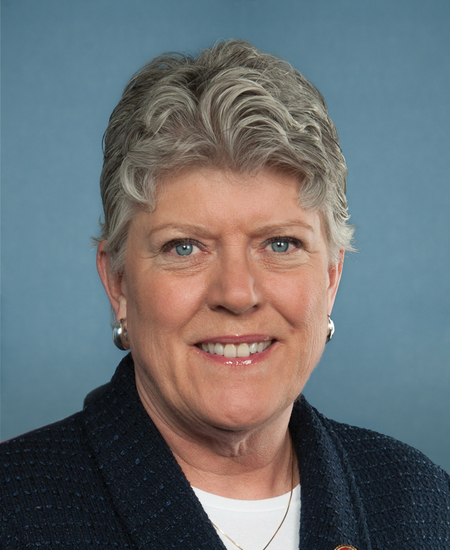
Rep. Julia Brownley
Sponsored bills
Maddy summaryThis bill creates several tax credits to increase housing affordability for individuals and families. It establishes a first-time homebuyer credit of up to $25,000 (or $50,000 for first-generation homebuyers) for purchasing a principal residence, with income limits based on household size. It also creates a starter home construction credit for building homes under 1,200 square feet priced below 80% of local median home prices, and a renter tax credit for tenants paying more than 30% of their income in rent. Additionally, it provides a credit for converting non-residential buildings to affordable housing that meets specific income and rent restrictions. The bill includes provisions for inflation adjustments and reporting requirements for these tax credits.
Maddy summaryHR 6391, the Save Oak Flat from Foreign Mining Act, repeals Section 3003 of the 2014 National Defense Authorization Act that would have transferred Oak Flat (2,422 acres in Arizona’s Tonto National Forest) to Resolution Copper for mining. The bill withdraws Oak Flat from all public land use, preventing the foreign-owned mining venture (Rio Tinto/BHP) from extracting copper beneath the site for export to China. It directly protects the area, which is a sacred site for Indigenous peoples and a National Register Historic Property, from a mine projected to consume 250 billion gallons of groundwater over 40 years and cause significant land subsidence. The bill halts a process that would have allowed foreign corporations to mine copper from public land without requiring domestic smelting or benefiting U.S. consumers.
Maddy summaryHRES 919 is a non-binding resolution commemorating World AIDS Day (December 1) and supporting global efforts to end the HIV/AIDS epidemic. It encourages achieving "zero new HIV transmissions, zero discrimination, and zero AIDS-related deaths" by 2030, promotes awareness of U=U (Undetectable=Untransmittable) treatment, and urges continued U.S. funding for HIV prevention, treatment, and research programs domestically and globally. The resolution does not create new laws but symbolically affirms support for existing initiatives like PEPFAR and the Ryan White CARE Act, while highlighting disparities affecting communities of color, transgender individuals, and people in the Southern U.S.
Maddy summaryHRES 856 is a non-binding resolution expressing the House of Representatives' view that the U.S. Department of Agriculture (USDA) should use its existing contingency funds and interchange authority to fund the Supplemental Nutrition Assistance Program (SNAP) for November 2025. The resolution cites that the USDA holds over $5 billion in contingency funds set aside for emergencies and has legal authority under the Department of Agriculture Organic Act to transfer funds between nutrition programs to maintain SNAP benefits. This would directly support approximately 42 million people relying on SNAP, including 16 million children, 8 million seniors, 4 million people with disabilities, and 1.2 million veterans, preventing disruption during a potential funding gap. The resolution does not create new law but urges the administration to use existing resources to ensure continued food assistance.
Maddy summaryThis bill establishes a $50 million annual federal fund to support transportation infrastructure for U.S. cities hosting major international sporting events like the Olympics, Paralympics, or FIFA World Cup. It provides grants to eligible entities - including host cities, nearby jurisdictions within 100 miles, and transportation agencies - to fund permanent transportation projects (e.g., road improvements, transit upgrades) that aid event logistics or mitigate traffic impacts, but excludes temporary event infrastructure or bid preparation costs. Assistance is limited to the 5-year period before an event begins through 30 days after it ends. The bill directly affects communities selected to host these events and their surrounding regions, ensuring federal support for sustainable transportation planning tied to the events.
Maddy summaryHR 5541, the Every Kid Outdoors Reauthorization Act, expands eligibility for the program to include fifth graders (ages 10-11) and home-schooled learners in that age range, replacing the previous requirement for 10-year-olds. The bill authorizes $25 million annually for the National Park Service to support program operations, promote the initiative to schools and families, provide transportation assistance to financially needy schools and organizations, and conduct targeted outreach to underserved communities and children with disabilities. This reauthorization directly affects fifth-grade students and home-schooled learners aged 10-11, as well as schools and youth organizations participating in the program. The key change is broadening the age group served while maintaining the program's funding structure for operational support and equitable access.
Give Kids a Chance Act of 2025 This bill expands the Food and Drug Administration’s (FDA’s) authority with respect to research on rare pediatric diseases, including by permitting the FDA to take enforcement action against drug sponsors that fail to satisfy pediatric study requirements and by reauthorizing programs that support pediatric research. Specifically, the bill modifies requirements relating to molecularly targeted pediatric cancer investigations to permit research on new drugs in combination with active ingredients that have already been approved, provided certain conditions are met; permits the FDA to take enforcement action against drug sponsors that fail to comply with pediatric study requirements, if such sponsors demonstrated a lack of due diligence in satisfying the requirement; renews the FDA’s authority to award priority review vouchers to sponsors of new products intended to treat rare pediatric diseases through September 30, 2029; and reauthorizes through FY2027 certain funding for the National Institutes of Health to support priority pediatric research. The bill also provides statutory authority for the FDA’s interpretation of the orphan drug exclusivity period. The bill specifies, consistent with FDA regulations, that the seven-year market exclusivity period for drugs for rare diseases or conditions (i.e., orphan drugs) prohibits the approval of the same drug for the same approved use or indication with respect to the disease or condition. (In Catalyst Pharmaceuticals, Inc. v. Becerra , a court rejected the FDA’s interpretation and held that orphan drug exclusivity extends to all uses or indications for the disease or condition.)
Maddy summaryThe Water Preservation and Affordability Act of 2025 amends the Clean Water Act to require federal water infrastructure funding recipients to prioritize "resource preservation techniques," defined as water efficiency (reuse, conservation), energy efficiency, stormwater mitigation, sustainable design, and environmental innovation. It mandates that projects receiving loans for treatment works repairs or expansions must evaluate and use these techniques to the maximum extent practicable. The bill increases annual funding for the Clean Water Infrastructure Resiliency Program from $25 million to $50 million (2026-2031) and authorizes $40 million yearly for a wastewater efficiency pilot program (2026-2031). These changes directly affect municipal water systems and wastewater treatment facilities receiving federal grants or loans under the Clean Water Act.
Maddy summaryHR 5566, the Water Infrastructure Resilience and Sustainability Act, extends deadlines for three existing federal water infrastructure programs by five years. It amends the Clean Water Act to extend the deadline for the Clean Water Infrastructure Resiliency and Sustainability Program from 2026 to 2031, and updates the Safe Drinking Water Act to extend deadlines for both the general Drinking Water System Infrastructure Program and the Midsize/Large Drinking Water System Program from 2026 to 2031. These changes directly affect state and local governments administering these programs, giving them more time to complete eligible projects. The bill makes no new funding commitments or policy changes - only adjusts the timeline for existing program requirements.