

Maddy summaryHR 3962, the ESTUARIES Act, extends a deadline within the National Estuary Program. It amends Section 320(i)(1) of the Federal Water Pollution Control Act by changing the year "2026" to "2031" in a requirement related to program management. This change directly affects the National Estuary Program, which oversees coastal water quality protection and restoration efforts. The bill makes a specific procedural adjustment to the program's timeline without altering its core policies or funding.
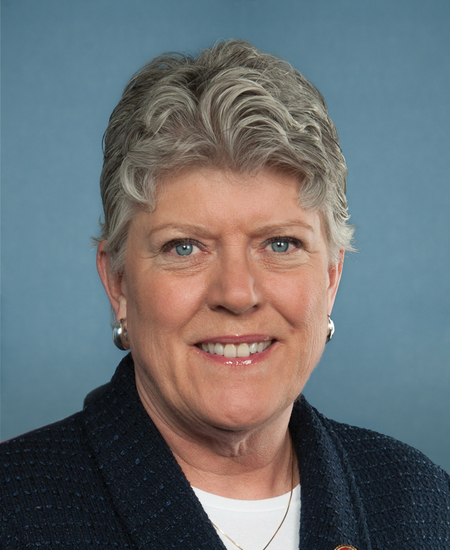
Rep. Julia Brownley
Sponsored bills
Maddy summaryThe Protect America's Workforce Act cancels an executive order issued on March 27, 2025, that excluded certain groups from federal labor-management relations programs, making it legally unenforceable. It also ensures that all collective bargaining agreements between federal agencies and labor unions, which were active as of March 26, 2025, remain fully effective until their agreed terms expire. This directly affects federal agencies, labor unions, and the employees covered by these agreements. The bill prevents federal funds from being used to implement the canceled executive order while preserving existing labor agreements.
Maddy summaryThe Zero Food Waste Act sets a goal to reduce food waste by 50% by 2035 compared to 2015 levels. It authorizes the Environmental Protection Agency (EPA) to award competitive grants to states, local governments, tribes, and nonprofits for projects that prevent, rescue, upcycle, or recycle food waste - such as developing waste-reduction plans, collecting data on waste generation, and implementing pricing policies to discourage landfill disposal. The bill prioritizes funding for communities of color, low-income areas, and Tribal communities disproportionately affected by environmental harm. It requires grantees to report on progress and allocates $650 million annually from 2026 to 2035 to support these efforts, with the EPA publishing yearly effectiveness reports.
Maddy summaryThe RISE from Trauma Act establishes new federal grant programs to support community-based approaches for preventing and mitigating trauma, particularly for children and youth who have experienced or are at risk of experiencing trauma. It authorizes $600 million annually (2026-2033) for local coordinating bodies that bring together representatives from health, education, criminal justice, and community organizations to develop trauma-informed strategies. The bill also creates hospital-based intervention programs to reduce readmissions for trauma survivors, reauthorizes school-based trauma support services, and funds training for front-line providers to better identify and respond to trauma. The legislation focuses on evidence-based approaches to build resilience and address trauma in communities facing high rates of violence, substance use, and other trauma-inducing conditions.
Maddy summaryThis concurrent resolution (HCONRES 65) is a symbolic congressional commendment of state and local governments that have affirmed reproductive rights as human rights. It recognizes efforts by jurisdictions like Carrboro, North Carolina; Austin, Texas; and Fulton County, Georgia, which passed resolutions or proclamations declaring abortion access a human right and condemning criminalization of pregnancy outcomes. The resolution urges states to repeal restrictive abortion laws and protect access to reproductive care, but it does not create new legal requirements or fund programs. As a procedural resolution, it has no binding effect on federal or state law.
Maddy summaryHR 6597, the LET’S Protect Workers Act, increases civil penalties for employers violating key labor laws to strengthen worker protections. It raises fines for child labor violations to up to $700,000 per incident causing death or serious injury, and doubles penalties for repeated wage/hour violations (up to $50,000 per violation). The bill also significantly boosts OSHA penalties (e.g., up to $800,000 for serious violations), adds new retaliation penalties for mine safety violations (up to $200,000 for repeat offenses), and clarifies that recordkeeping violations continue until corrected. These changes apply to employers across sectors, including manufacturing, agriculture, and mining, under the Fair Labor Standards Act, Occupational Safety and Health Act, and Mine Safety Act.
Maddy summaryThis bill authorizes the placement of a memorial honoring women who supported the U.S. war effort during World War II (including those working as pilots, engineers, and in factories) on federal land in Washington, D.C. It specifies two locations: Area I on the National Mall map or the National Mall Reserve, as defined in existing law. The memorial was previously authorized by Section 702 of the 2023 Consolidated Appropriations Act (Public Law 117-328), and this bill clarifies its permitted locations.
Maddy summaryHR 5995, the "Have You Served Act," provides grants to states and tribes with veteran suicide prevention plans to fund "Ask the Question Campaigns." These campaigns train human services professionals, local governments, and community providers to respectfully ask clients if they or a loved one served in the military, then connect them to VA resources. The bill authorizes $6 million annually (2026-2030) for up to 25 grants of $200,000 each to support this training and outreach. It directly affects veterans and their families by improving access to VA services through community-based referrals, without changing eligibility for benefits.
Maddy summaryThe Expanding Cybersecurity Workforce Act of 2025 establishes a new program under CISA to promote cybersecurity careers to underrepresented groups, including racial and ethnic minorities, veterans, formerly incarcerated individuals, people with disabilities, older adults (40+), and those from low-income or nontraditional educational backgrounds (like community colleges or HBCUs). The program requires CISA to tailor outreach to regional needs, partner with schools, unions, and community organizations, and report annually on workforce impact. It authorizes $20 million annually for fiscal years 2026-2031 to support these efforts, aiming to diversify the cybersecurity workforce through targeted recruitment and training.
Maddy summaryThe STOP Scams Against Seniors Act directs federal Byrne funds to create elder justice task forces focused on preventing and investigating financial scams targeting seniors aged 60 and older. These task forces must coordinate with local law enforcement, prosecutors, and federal agencies like the FBI and FTC to address fraud. Grantees must report detailed data on cases opened, resolved, victims supported, scam types, and signs of organized crime, with the Attorney General submitting an annual summary to Congress. The bill directly affects seniors vulnerable to financial exploitation and the agencies implementing these task forces.