This resolution expresses support for keeping AM radios in cars. (Several car manufacturers announced plans to remove AM radio options from some or all of their models.)
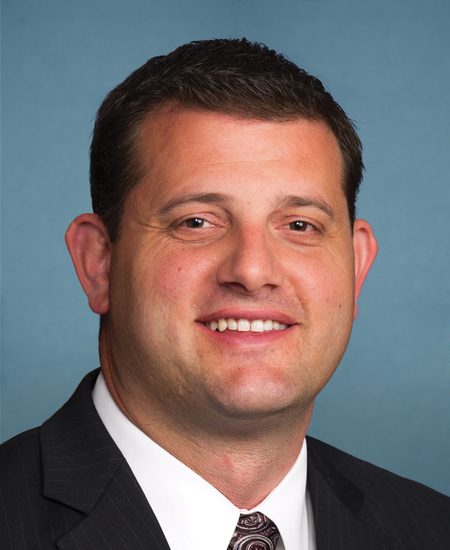
Rep. David G. Valadao
Sponsored bills
Maddy summaryThe Neighborhood Homes Investment Act creates a new tax credit for developers who rehabilitate or build affordable homes in distressed communities. The credit is calculated based on the difference between rehabilitation costs and the sale price, with homes required to be sold at affordable prices to qualified homeowners with incomes up to 140% of the local median family income. The bill targets specific "qualified census tracts" defined by high poverty rates, low homeownership, and below-average home values. Developers must ensure homes are sold to qualified homeowners who use them as primary residences for at least five years, with additional safeguards to prevent program abuse and ensure fair housing practices.
Maddy summaryHR 3910, titled "Dillon’s Law," amends federal public health grants to prioritize states that permit trained individuals to carry and administer epinephrine during severe allergic reactions (anaphylaxis). States receiving these grants must certify they have civil liability protection laws shielding trained individuals who provide emergency aid. The bill defines "trained individual" as someone with approved medical training in epinephrine use and clarifies it does not alter existing liability protections under other laws. This policy change directly affects state governments seeking federal public health funding by linking grant eligibility to specific state-level regulations on emergency epinephrine access.
Maddy summaryHJRES 46 is a congressional resolution rejecting a specific rule issued by the National Marine Fisheries Service (NMFS) under federal environmental regulations. The resolution seeks to block the NMFS rule (published June 2022) that updated procedures for listing endangered/threatened species and designating critical habitats. If passed, this resolution would make the NMFS rule legally ineffective under federal law. The bill directly affects how the NMFS manages species protection programs but does not change the underlying environmental laws. This is a procedural disapproval resolution, not a new policy.
Maddy summaryThis resolution (HRES 466) is a symbolic, non-binding expression of support for designating June as Portuguese National Heritage Month. It recognizes the historical contributions of Portuguese Americans to U.S. society, including their roles in early industries, politics, military service, and cultural influences like introducing the ukulele and contributing to American music. The resolution urges the public to observe the month with activities celebrating Portuguese-American heritage and emphasizes the community's integral role in the nation's economy and culture. It does not create new laws or directly affect any individuals or policies.

This resolution honors the humanitarian work of Dr. Aristides de Sousa Mendes do Amaral e Abranches, Consul of Portugal in Bordeaux, France, following the Nazi invasion of France. The resolution states that he acted with great courage and at personal risk to issue visas that spared many thousands of people from the Nazi occupation of France and the Holocaust.
Maddy summaryThis bill makes it a federal crime to knowingly distribute non-consensual intimate images of adults (without consent, not in public, and not a matter of public concern) or images of minors in nude states (with intent to abuse/humiliate). It defines prohibited content, imposes penalties including up to 5 years in prison, and requires forfeiture of assets used in violations. Exceptions cover law enforcement, legal reporting, and service providers who don’t actively promote such content. The law directly affects victims of non-consensual image sharing and individuals distributing prohibited content.
Maddy summaryThis bill creates a new tax credit for expenses related to "qualified access technology for the blind" under the Internal Revenue Code. It allows taxpayers to claim a credit of up to $2,000 per year (adjusted for inflation) for costs paid for hardware, software, or IT that converts visual information into formats usable by blind individuals, covering the taxpayer, their spouse, or a dependent who is blind. The credit is limited to $2,000 over any three consecutive tax years per blind individual and expires after 2028. It directly affects blind individuals and their families who purchase qualifying assistive technology. The credit cannot be claimed for expenses already covered by other tax deductions or credits.
Maddy summaryThis bill renames a U.S. Postal Service facility at 300 Long Beach Boulevard in Long Beach, California, as the "Alan S. Lowenthal Post Office Building." It directly affects the postal facility and all federal documents, maps, or records referencing it. The key provision updates every official reference to the building to use the new name, ensuring consistency in government records. The bill does not change postal services, funding, or policy - only the building's official designation.
Maddy summaryThis bill designates the U.S. Postal Service facility at 7911 Imperial Highway in Downey, California, as the "Lucille Roybal-Allard Post Office Building." It updates all official references in federal laws, documents, and records to use this new name for the specific post office location. The change affects the facility's official identification but does not alter its operations or services.