

Maddy summaryHR 4091 amends the SUPPORT for Patients and Communities Act to require that reports on substance use disorder data also include information about mental health conditions and mental health treatment services. This change applies to data reported by Medicaid managed care organizations to the Centers for Medicare & Medicaid Services (CMS). The new reporting rules will take effect 12 months after the bill is enacted, expanding existing data collection to cover both substance use and mental health care.
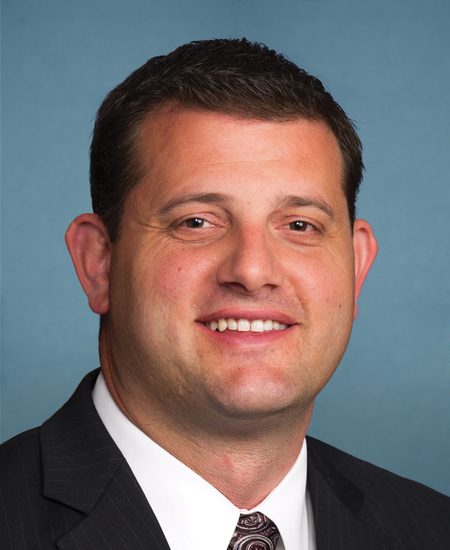
Rep. David G. Valadao
Sponsored bills
Maddy summaryHR 3946, the FASD Respect Act, establishes a new federal program within the Department of Health and Human Services (HHS) to address fetal alcohol spectrum disorders (FASD). The bill creates FASD Centers for Excellence to build state, tribal, and national capacity for prevention, identification, and support services - directly affecting individuals with FASD, their families, and healthcare providers. Key provisions include developing standardized diagnostic guidelines, expanding screening and training for medical professionals, creating a national resource directory for FASD services, and promoting culturally informed interventions. The program requires HHS to report to Congress on progress within four years. This legislation restructures existing HHS authority to focus comprehensively on FASD across the lifespan, replacing older terminology with consistent "FASD" references.
Maddy summaryThis proposed constitutional amendment would give Congress the authority to ban physical acts that desecrate the U.S. flag, such as burning or trampling. If ratified by 38 states (three-fourths of all states), it would allow federal laws prohibiting such acts. The amendment does not currently prohibit flag desecration but seeks to change the Constitution to permit it. It would directly affect individuals engaging in physical flag desecration. The bill is pending in the House Judiciary Committee and requires state ratification to become part of the Constitution.
Maddy summaryThe Federal Prisons Accountability Act of 2023 requires the President to appoint the Director of the Bureau of Prisons with Senate confirmation, replacing the current system where the Director is appointed directly by the Attorney General. It also establishes a 10-year term limit for the Director, though the current Director may continue serving for up to three months after the bill's enactment. This change directly affects the leadership structure of the Bureau of Prisons, which oversees over 176,000 federal inmates across 122 facilities and has a budget exceeding $7 billion annually. The bill aims to increase oversight of this major Department of Justice component by aligning its leadership appointment process with other senior Justice Department officials.
Maddy summaryHR 4067, the Red Tape Reduction Act, codifies five existing executive orders into law to streamline federal regulation. It repeals a 2021 executive order while making the following permanent: Executive Order 13771 (reducing regulatory costs), 13777 (regulatory reform agenda), 13891 (agency guidance), 13892 (enforcement transparency), and 13893 (accountability). These provisions direct federal agencies to follow specific regulatory reform principles when creating or updating rules. The bill affects how federal agencies develop regulations, not specific industries or individuals, by embedding these procedural standards into law.
Maddy summaryHR 4070, the Disaster Mitigation and Tax Parity Act of 2023, excludes certain payments received from state disaster mitigation programs from taxable income. It directly affects homeowners who get funds from state or state-regulated programs to make property improvements specifically designed to reduce damage from windstorms, earthquakes, or wildfires (like installing fire-resistant roofing or seismic upgrades). The bill adds a new tax exclusion in the Internal Revenue Code, meaning these qualified mitigation payments won't be counted as gross income for tax purposes. This change applies to payments made after December 31, 2020, with options for retroactive tax filings.
Maddy summaryHR 4021, the Fair and Open Skies Act, amends U.S. aviation law to require that the Department of Transportation consider labor standards when reviewing international air transport agreements. Specifically, it adds "preventing the undermining of labor standards" as a mandatory factor in the public interest test for approving such agreements under 49 U.S.C. § 40101. This change directly affects international airlines seeking to operate flights to or from the U.S. and the DOT, which must now evaluate whether proposed agreements could weaken U.S. labor protections. The bill updates existing provisions by replacing outdated language about "agreements with the United States Government" and explicitly including labor standards in the evaluation criteria.
Maddy summaryThe Telehealth Expansion Act of 2023 modifies the Internal Revenue Code to require health insurance plans to cover telehealth services without applying deductibles. It directly affects high deductible health plans (HDHPs) and their enrollees, ensuring telehealth visits aren’t counted toward annual deductibles. The key provision creates a "safe harbor" (Section 223(c)(2)(E)) so plans won’t lose HDHP status for excluding telehealth deductibles. This change applies immediately upon enactment and affects all plans offering telehealth services. It does not create new funding or services but adjusts tax code requirements for existing coverage.
This resolution recognizes and commemorates the Day of Portugal, Camões, a holiday celebrating Portuguese heritage and culture named for the 16th century poet Luís Vaz de Camões. The resolution also honors the contributions of Portuguese Americans to society.
Maddy summaryHR 4035, the Protecting Small Business Information Act of 2023, requires the Treasury Secretary to coordinate the effective dates of all rules under the Corporate Transparency Act. It mandates that all final rules related to beneficial ownership reporting must take effect on the same date, delaying implementation until the Secretary certifies to Congress that all rules are issued and will align on a single effective date. This directly affects small businesses required to report beneficial ownership information under the Corporate Transparency Act. The bill’s key mechanism is creating a unified implementation timeline, preventing staggered rule deadlines that could complicate compliance for small entities. It does not change reporting requirements but ensures a synchronized rollout of the regulations.