

Maddy summaryHR 7629, the Protect Our Letter Carriers Act of 2024, allocates $1.4 billion annually (2025-2029) to the U.S. Postal Service for high-security collection boxes and replacing physical universal mailbox keys with electronic versions, directly affecting USPS operations and letter carriers. It requires the Attorney General to appoint specialized prosecutors in each district to coordinate investigations and prosecutions of postal-related crimes, such as assaults on carriers or mail theft. The bill also mandates the U.S. Sentencing Commission to adjust guidelines so that assaults or robberies against postal employees are treated with the same severity as assaults against law enforcement officers. These provisions aim to enhance safety through infrastructure upgrades, improved prosecution, and stricter sentencing for crimes targeting postal workers.
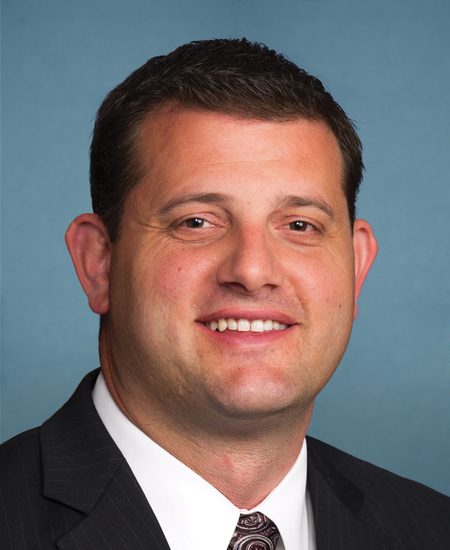
Rep. David G. Valadao
Sponsored bills
Maddy summaryHR 6421, the Affordable HOMES Act, repeals federal requirements for energy efficiency standards in manufactured housing. It removes the authority established under the Energy Independence and Security Act of 2007 to set such standards and invalidates a 2022 Department of Energy rule implementing those standards. This bill directly affects manufactured home manufacturers by eliminating a federal regulatory requirement related to energy conservation.
Maddy summaryThe Federal Judgeship Act of 2024 adds new federal district judgeships across multiple courts, primarily in California, Florida, Texas, and other states with growing caseloads. It authorizes specific numbers of additional judges for districts including the Central and Northern Districts of California, the Middle District of Florida, and the Western District of Texas, with appointments to take effect in 2025, 2027, 2029, and 2031. The bill also permanently converts certain temporary judgeships to permanent positions and adds circuit judges to the Ninth Circuit Court of Appeals in 2027 and 2031. These changes directly affect federal court operations by increasing judicial capacity in specific geographic regions. The legislation focuses on adjusting court staffing levels to address case volume without altering substantive legal procedures or policies.
Maddy summaryHR 7563, the Food Traceability Enhancement Act, modifies FDA food safety rules to ease requirements for certain businesses. It shortens recordkeeping periods from 2 to 1 year and exempts restaurants, retail food establishments, and warehouses from maintaining or sharing traceability lot code information. The bill mandates 9 pilot projects testing outbreak investigations without lot codes and evaluating low-cost tracing technologies, with specific sector and commodity diversity requirements. It delays compliance for existing traceability rules until 2 years after the pilots conclude, and requires a report on FDA information-sharing barriers with food businesses.
Maddy summaryHR 7577, the CHEERS Act, creates a new tax deduction for restaurants, bars, and entertainment venues by expanding eligibility under the energy efficiency tax code (Section 179D). It defines "qualified energy-efficient draft property" as stainless steel or aluminum containers and tap equipment used for alcohol distribution in these businesses, treating them as eligible for the existing energy efficiency tax deduction. This change applies to equipment placed in service after the bill's enactment date, directly benefiting hospitality businesses that own or lease such equipment. The provision modifies existing tax code language without creating new tax rates or altering other regulations.
Maddy summaryHR 7361, the Flowers for Fallen Heroes Act of 2024, requires the American Battle Monuments Commission to establish a low-cost program allowing the public to order flowers for military gravesites at Commission-managed cemeteries. The bill mandates the Commission to partner with third-party florists (without excess fees) and create a user-friendly website and phone system for ordering by one year after enactment. It also authorizes credit card and electronic payment processing for these orders, with customers responsible for any third-party processing fees, and requires annual reports to Congress detailing program implementation, including order data and florist engagement. This bill directly affects the public seeking to honor fallen service members and the Commission’s operations at 25 overseas military cemeteries.
Maddy summaryThis bill reauthorizes and enhances anti-trafficking programs through several key provisions. It establishes "Frederick Douglass Human Trafficking Prevention Education Grants" for schools to implement evidence-based, culturally responsive training for K-12 students, teachers, and school personnel on recognizing and preventing child trafficking. It also creates a Human Trafficking Survivors Employment and Education Program to help trafficking victims gain job skills, education, and life skills for self-sufficiency. The bill extends funding for these programs through 2028 with increased authorization levels and modifies international trafficking reporting standards.
Maddy summaryThe Assad Regime Anti-Normalization Act of 2023 amends the Caesar Syria Civilian Protection Act to expand sanctions against individuals and entities supporting the Assad regime in Syria. It targets those who provide financial or material support to the regime, divert humanitarian aid, seize property, or engage with Syria Arab Airlines or Cham Wings. The bill prohibits U.S. officials from recognizing or normalizing relations with the Assad regime and requires the administration to develop a strategy to counter other countries' engagement with Syria. It also mandates annual reports on diplomatic meetings with Syria, transactions involving Syria, and how the Assad regime manipulates UN operations in Syria.
Maddy summaryThe Uyghur Policy Act of 2023 establishes a U.S. Special Coordinator for Uyghur Issues within the State Department to coordinate policy and advocate for the protection of Uyghur cultural, religious, and linguistic identity in Xinjiang. It authorizes $250,000 annually for Uyghur human rights advocates to speak at public diplomacy events in Muslim-majority countries and mandates Uyghur language training for U.S. diplomats. The bill also directs the U.S. government to support United Nations monitoring of Xinjiang human rights issues and oppose efforts to block discussions of Xinjiang at the UN. These provisions focus on diplomatic advocacy and information-sharing, not direct sanctions or enforcement actions against China.
Maddy summaryHR 7450, the Protecting Privacy in Purchases Act, prohibits payment card networks and covered entities (like payment processors) from requiring or assigning merchant category codes that specifically identify firearms retailers as different from general stores or sporting goods retailers. This directly affects firearms retailers and payment networks by preventing them from using business classification codes that could flag firearm sales. The bill establishes an enforcement process where the Attorney General investigates complaints, issues remediation notices, and can seek court injunctions for non-compliance, while preempting state or local laws on this issue. It does not create private lawsuits for individuals.