

Maddy summaryThis bill allows VA health care professionals to prescribe controlled medications via telemedicine without requiring an in-person exam, directly affecting veterans receiving VA telehealth services. It permits prescriptions for controlled substances (like certain pain medications) when the provider is licensed under state law, acting within professional practice, and the prescription serves a legitimate medical purpose. The law requires the VA Secretary to establish regulations for this process but clarifies it doesn’t change existing Controlled Substances Act obligations. This expands access to telemedicine for veterans needing controlled medications while maintaining safety and licensing standards.
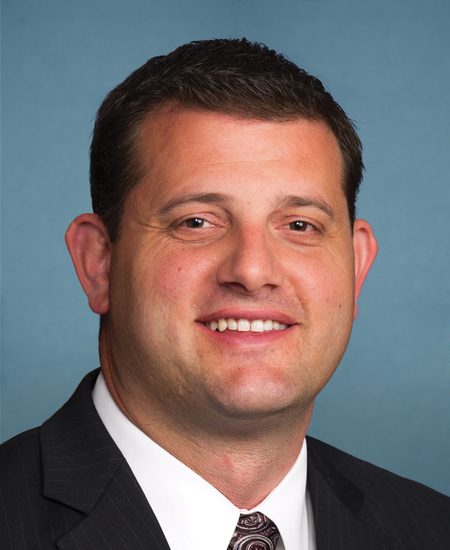
Rep. David G. Valadao
Sponsored bills
Maddy summaryHR 9523, the Renewed Hope Act of 2024, directs the Department of Homeland Security to hire 200 additional personnel (including 40 forensics analysts and 30 child exploitation investigators for the Victim Identification Laboratory, plus 130 more staff) to support identifying and rescuing victims of child sexual exploitation. It also authorizes temporary hiring of experts for image/audio forensic analysis at specified rates and requires DHS to establish joint procedures for coordinating child exploitation investigations across agencies. The bill mandates a new Victim Identification Training Program at the Cyber Crimes Center, providing annual training on advanced victim identification technology to DHS personnel and external law enforcement agencies (federal, state, local, tribal, military, and foreign) upon request. These provisions directly affect DHS investigative units and law enforcement agencies actively working on child exploitation cases nationwide.
Maddy summaryThe SAVES Act establishes a 5-year pilot program where the VA awards competitive grants to accredited nonprofits (e.g., Assistance Dogs International or International Guide Dog Federation members) to provide service dogs to veterans with specific disabilities like mobility issues, PTSD, TBI, or visual/hearing impairments. It requires veterans with mental health conditions to undergo a VA mental health evaluation to confirm the dog is the optimal treatment, prohibits nonprofits from charging veterans fees, and mandates VA-provided veterinary insurance for the dogs. The program is funded with $10 million annually for five years and directly affects eligible veterans enrolled in VA care with qualifying disabilities and participating nonprofit service providers.
Maddy summaryThe Avian Influenza Research and Response Act establishes a new grant program to train dairy producers and workers on biosecurity measures - such as equipment cleaning and animal movement protocols - to prevent disease spread, including highly pathogenic avian influenza. It increases annual funding for related research and extension programs from $25 million to $50 million per year (2025-2029) and requires training materials to be available in English, Spanish, and other needed languages. The bill also updates research priorities to specifically include highly pathogenic avian influenza and expands emergency assistance to cover losses from this disease in dairy operations. These changes directly affect dairy farms, rural communities, and agricultural research institutions through enhanced prevention resources and funding.
Maddy summaryHR 8557, the National Prescribed Fire Act of 2024, establishes new funding mechanisms to increase controlled burns on Federal lands to reduce wildfire risk. The bill creates $300 million annual accounts for the Departments of Agriculture and Interior, requires a 10% annual increase in prescribed fire acreage on Federal lands, and reduces liability for certified fire managers (except in cases of gross negligence). It also establishes a Collaborative Prescribed Fire Program to fund partnerships with States, Tribes, and private landowners, and mandates landscape-scale fire planning to improve coordination across land ownerships. The bill directly affects Federal land managers, States, Tribes, and private landowners who conduct prescribed fires, with provisions aimed at expanding safe, controlled burning while addressing smoke impacts and building a skilled workforce.
Maddy summaryThis bill temporarily expands SNAP (food assistance) eligibility for households including recently separated veterans. For 100 days after a veteran receives their discharge paperwork (DD-214), only the veteran's income is counted toward household eligibility under SNAP rules, ignoring other household members' income. It directly affects veteran households transitioning from military service during this 100-day period. The provision takes effect 90 days after the bill is enacted.
Maddy summaryThis bill, officially titled the "Spotted Wing Abatement Trust Act of 2024" (though nicknamed the "SWAT Act"), creates a $6.5 million fund within the USDA to address the spotted wing drosophila fruit fly pest. It directly affects fruit growers of berries, cherries, and stone fruits by funding research and mitigation efforts to combat this invasive species, which causes an estimated 20% revenue loss across targeted crops. The fund will support cooperative agreements and grants for research and pest control activities over five years (enactment year plus four subsequent years). The bill does not change existing regulations but allocates specific federal funding to address a documented agricultural threat.
Maddy summaryThe Rural Partnership and Prosperity Act (HR 7444) creates two new grant programs to support rural economic development. It establishes a "Rural Partnership Program" that provides multiyear grants to partnerships - including local governments, tribes, nonprofits, and for-profits - to coordinate federal and local investments, reduce duplication, and plan community projects in rural areas. The bill requires 25% non-federal matching funds (with waivers for high-poverty areas or tribes) and prioritizes communities with economic distress, high poverty, or historical underfunding. A second "Technical Assistance Program" funds organizations to help rural communities manage federal grants, develop projects, and build capacity. The act also updates the Rural Partners Network to streamline federal coordination and improve access to funding for rural communities.
Maddy summaryHR 7362, the SPACE Act of 2024, requires the U.S. Department of Agriculture to establish cooperative agreements with land-grant universities for research using satellite and remote sensing data to improve wildland fire management. The bill directs the Secretary to provide these institutions with existing satellite data (including real-time images and infrared capabilities) and mandates they share research findings on fire behavior, smoke patterns, and data gaps. It also requires two reports: one within one year detailing opportunities to expand research partnerships, and another within 180 days outlining plans to integrate satellite technology for fire forecasting, containment strategies, and resource deployment. The law directly affects land-grant universities, USDA agencies, and federal fire management entities like the National Interagency Fire Center.
This resolution supports the designation of National FFA Week. It also (1) recognizes the important role of the National FFA Organization (Future Farmers of America) in developing the next generation of globally conscious leaders who will change the world; and (2) celebrates the 10th anniversary of the Give the Gift of Blue program, which has donated more than 17,000 FFA blue jackets to FFA members in need.