

Maddy summaryThis bill adds Medicare coverage for multi-cancer early detection screening tests (blood or biological tests analyzing cell-free DNA) starting January 1, 2028. It directly affects Medicare beneficiaries aged 68 and older (starting in 2028, with the age limit increasing by 1 year annually), requiring tests to be FDA-cleared and deemed reasonable/necessary by the Secretary for early cancer detection across multiple organ sites. Payment will initially match current stool DNA test rates before 2031, then shift to a lower rate or new payment system after 2031, with limits preventing more than one test per year. The bill explicitly states it does not alter coverage for existing cancer screenings like breast, colorectal, or prostate cancer tests.
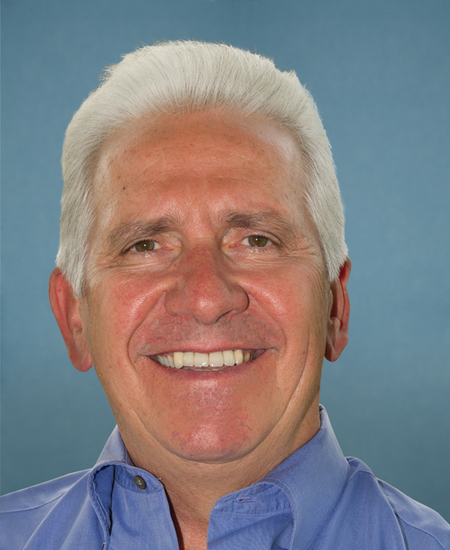
Rep. Jim Costa
Sponsored bills
Maddy summaryHRES 781 is a symbolic resolution designating October 1, 2025, as "National Animal Rescue Day" to raise public awareness about animal adoption and spaying/neutering. It does not create new laws or allocate funds but encourages nationwide events like adoption drives and educational campaigns to support shelters and reduce pet overpopulation. The resolution directly aims to benefit animal shelters, rescue organizations, and potential adopters by promoting the importance of adopting pets and responsible pet ownership. As a non-binding gesture, it focuses on awareness rather than policy change.
Maddy summaryHRES 778 is a non-binding House resolution expressing support for recognizing September 29, 2025, as "International Day of Awareness of Food Loss and Waste." It does not create new laws or programs but formally acknowledges the issue through congressional resolution. The resolution cites statistics on global food waste (including $1 trillion in annual losses and 8-10% of greenhouse gas emissions from food waste) and aligns with the existing 2024 National Strategy for Reducing Food Loss and Waste. It serves only as symbolic support for raising awareness, with no direct policy changes or obligations for individuals or entities.
Maddy summaryThis bill ensures federal firefighters continue receiving pay and benefits during government funding gaps and shutdowns. It authorizes continuing appropriations for firefighter pay during any period without full-year funding for fiscal year 2026, and prohibits layoffs due to reduction-in-force actions during funding lapses. The law directly affects firefighters employed by executive agencies or military departments whose primary duties involve fire control and extinguishment. Key provisions guarantee job security and pay continuity without requiring new legislation during budget implementation delays.
Maddy summaryThis resolution (HRES 757) is a symbolic gesture by the U.S. House of Representatives to support designating September 22, 2025, as "National Hispanic Nurses Day" and to formally recognize the National Association of Hispanic Nurses (NAHN) as the leading organization representing Hispanic nurses. It does not create new laws or policies but expresses official congressional support for honoring Hispanic nurses' contributions to healthcare equity and cultural competence. The resolution acknowledges NAHN's role since 1975 in advancing health outcomes for Hispanic communities and reducing disparities. As a non-binding resolution, it has no direct legal effect but aims to raise public awareness of Hispanic nurses' work.
Maddy summaryThe Aviation Funding Stability Act of 2025 ensures continued operation of Federal Aviation Administration (FAA) programs during government funding gaps. It allows the FAA to use unspent funds from the Airport and Airway Trust Fund to maintain critical services - including air traffic control, airport infrastructure, and safety research - at the previous fiscal year's funding level if Congress fails to pass a new budget. This prevents shutdowns for up to 30 days or until a new budget is enacted, with spending limited to prior-year rates and subject to existing program rules. The bill directly affects all FAA operations, keeping airports and air traffic systems running during budget delays.
Maddy summaryThis resolution acknowledges that after the September 11, 2001, attacks, Arab, Muslim, Middle Eastern, South Asian, and Sikh communities faced widespread hate, government targeting, and discrimination - including policies like the 2002 National Security Entry-Exit Registration System and mass detentions without evidence. It calls for an independent commission to review these historical policies, document their impact, and recommend changes to dismantle ongoing discriminatory practices. The resolution also urges funding for community-based organizations to provide hate crime prevention, mental health support, and culturally accessible alternatives to law enforcement, while requesting health studies on the effects of profiling and hate.
Maddy summaryHRES 734 is a symbolic resolution designating the third week of September as "Latino Conservation Week." It recognizes the Latino community's longstanding engagement in outdoor recreation and conservation activities, such as hiking, stewardship events, and environmental justice efforts on public lands. The resolution affirms that including Latino voices strengthens public lands protection and climate resilience, highlighting their role as a growing force in the outdoor economy. It does not create new laws or funding but formally supports the annual observance initiated by the Hispanic Access Foundation.
Maddy summaryThe Redistricting Reform Act of 2025 requires states to use independent redistricting commissions for congressional redistricting, banning partisan gerrymandering and requiring plans to comply with constitutional and Voting Rights Act standards. The bill establishes ranked criteria for redistricting, prioritizing population equality, voting rights protections, and community preservation over partisan advantage. It mandates multi-partisan commission composition with public input and transparency requirements, with states facing court-developed plans if they miss deadlines. The law would apply to redistricting after the 2030 census, affecting all 50 states' congressional district maps.
Maddy summaryThis bill requires a GAO study to evaluate early detection methods for pediatric liver disease, including adding bilirubin measurement to newborn screening panels and assessing trends in transplant wait-list mortality. It also mandates a public education program to inform families about early signs of liver disease and the safety of living liver donation, using existing HHS resources without new funding. The law directly affects infants and children with liver conditions like biliary atresia and liver cancer, aiming to improve early intervention. Key provisions include a study on cost-effective screening and a program to educate pediatric providers and families about warning signs.