

Maddy summaryThe GPS Modernization Acceleration Act directs the President to speed up the transition to a more secure and resilient Global Positioning System by updating aging satellites and ground control systems. This legislation requires the creation of a clear timeline to deploy 24 new GPS IIIF satellites and prioritizes the L5 signal to improve accuracy and reduce vulnerability to interference, jamming, or spoofing. It mandates coordination between the Department of Defense, the Department of Transportation, and other federal agencies to upgrade military equipment and protect critical civilian infrastructure. Additionally, the bill requires the Secretary of Defense to submit annual reports to Congress detailing progress, funding needs, and strategies for countering GPS threats over a three-year period.
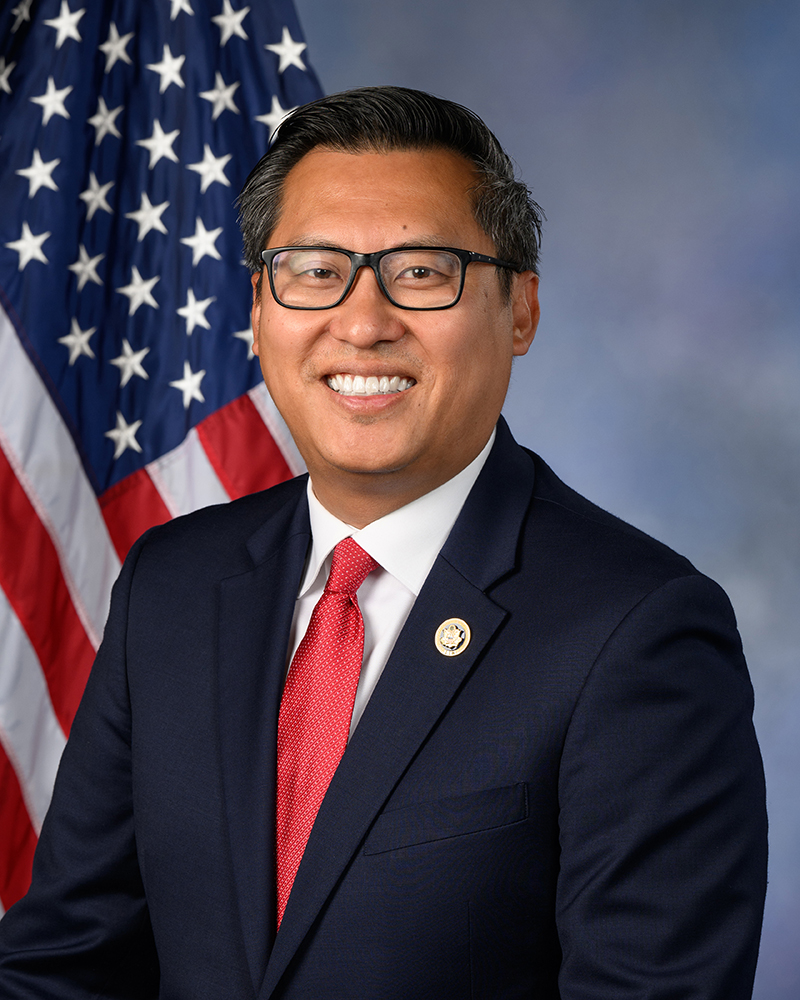
Rep. Vince Fong
Sponsored bills
Maddy summaryThis bill, titled the National Security Interstate Pipeline Act, allows the President to designate specific oil and natural gas pipelines as critical to national security, thereby placing them under exclusive federal control for siting and permitting. Once designated, the Federal Energy Regulatory Commission becomes the sole lead agency responsible for approving these projects, bypassing state and local regulations that could delay construction. The legislation also grants pipeline companies the right to use eminent domain to acquire necessary land after a good-faith negotiation attempt and permits the President to waive certain environmental laws if delays threaten national defense. Additionally, the bill sets strict timelines for federal and state agencies to complete reviews, deeming requirements satisfied if actions are not taken within specified periods, while requiring the President to report these designations and waivers to Congress.
Maddy summaryThe Geo POWER Act creates a new milestone-based financing program to support geothermal energy projects in areas with limited or no existing geothermal power generation, including regions near Indian lands. This program awards funding based on the achievement of specific technical and financial milestones rather than upfront capital, aiming to reduce risks for future projects. The initiative prioritizes projects that generate public data to characterize new geothermal resources and require a minimum electricity generation capacity of 30 megawatts. The Department of Energy must award financing to at least three different proposals across three different states, ensuring geographic diversity in project selection.
Maddy summaryHR 4288 would rename the Department of Veterans Affairs community-based outpatient clinic in San Jose, California, as the "Corporal Patrick D. Tillman VA Clinic." The bill directly affects this specific VA facility, updating all official references to it. The key provision requires the clinic to be designated by this new name in all federal records, documents, and maps following the bill's enactment. This is a procedural naming bill honoring Corporal Tillman, a former NFL player and Army Ranger killed in action in Afghanistan in 2004.
Maddy summaryHR 3194, the LOCOMOTIVES Act, prevents states from setting their own emissions standards for locomotives used in interstate commerce. It amends the Clean Air Act to clarify that federal emissions rules exclusively apply to locomotives providing common carrier railroad transportation for hire (like commercial freight or passenger services across state lines), excluding these from state regulation. This directly affects railroads operating interstate services and state environmental agencies that previously could establish stricter local rules for such locomotives. The bill does not change the actual emissions requirements but shifts regulatory authority solely to the federal government for this specific category of locomotives.
Maddy summaryThis bill authorizes the U.S. government to transfer clear ownership of two specific land parcels in Tulare, California, to the City of Tulare. These parcels currently hold a youth recreation facility and a historic women's club but lack full title because the federal government retains a reversionary interest from a 19th-century railroad grant. The legislation extinguishes this federal interest once the Union Pacific Railroad sells the land to the city, allowing the municipality to improve and restore the sites without legal obstacles. The city will cover the costs for documenting this transfer, and the bill ensures that existing public access rights and surface entry conditions remain unchanged.
Maddy summaryThe FEES Act of 2026 modifies federal laws to limit the amount of legal fees and expenses that individuals can recover when winning lawsuits against the government. It caps these awards at $200,000 per case and restricts recipients to a maximum of three such awards in a single year, with exceptions for class-action lawsuits or cases involving the Social Security Administration and the Department of Veterans Affairs. The bill also requires that settlement agreements involving federal regulations or guidance documents cannot include payments for attorneys' fees or litigation costs. Additionally, the Act mandates an independent scientific review within five years to assess the ecological, social, and economic impacts of the legislation on federally managed lands.
Maddy summaryHR 3300 amends a permit requirement under the Federal Water Pollution Control Act to exempt certain aerial fire suppression applications from needing a permit. It specifically allows the use of fire control products listed on the Forest Service's current Qualified Products List without a permit during wildfire operations. This directly affects wildland firefighters and federal agencies like the Forest Service when deploying approved suppression materials. The change streamlines access to critical firefighting tools during emergencies by removing a specific regulatory barrier.
Maddy summaryHR 5351, the NSF AI Education Act of 2025, creates new funding mechanisms to expand artificial intelligence education. It authorizes scholarships and fellowships covering tuition, fees, and stipends for undergraduate and graduate students in AI-related fields, with priority for programs teaching AI in K-12 schools, advanced manufacturing, and agriculture. The bill also establishes up to eight regional "Centers of AI Excellence" at community colleges and career schools to develop AI curricula, build industry partnerships, and create student job pathways. Additionally, it funds research grants to develop K-12 AI teaching materials and supports professional development for educators and industry professionals to integrate AI into classrooms.
Maddy summaryThis bill redesignates the existing National Parks and Public Land Legacy Restoration Fund as the America's Legacy Restoration Fund to address deferred maintenance on federal lands. It directs revenue from recreation fees and a portion of energy development income into the fund, which must be used primarily for repairing critical infrastructure like roads, trails, and buildings managed by agencies such as the National Park Service and the Forest Service. The legislation establishes strict rules requiring that most funds go toward non-transportation projects, mandates transparency through public dashboards tracking project status, and sets aside a small percentage for matching private donations. Additionally, the bill increases entrance fees for foreign visitors to ensure they contribute to the fund, while prohibiting the use of these specific funds for land acquisition or employee bonuses.