

Maddy summaryHR 9402, the NSF AI Education Act of 2024, creates new funding programs to expand artificial intelligence education across U.S. schools and colleges. It establishes scholarships and fellowships for undergraduate and graduate students in AI-related fields, with priority for programs focused on K-12 AI education, AI in manufacturing/agriculture, and outreach to rural institutions and Tribal Colleges. The bill also creates "Centers of AI Excellence" at community colleges and career technical schools to integrate AI into curricula and workforce development, and provides research funding specifically for AI teaching methods in K-12 schools serving low-income, rural, and Tribal communities. Additionally, it incorporates AI skills development into the National STEM Teachers Corps to prepare educators to teach AI concepts in classrooms.
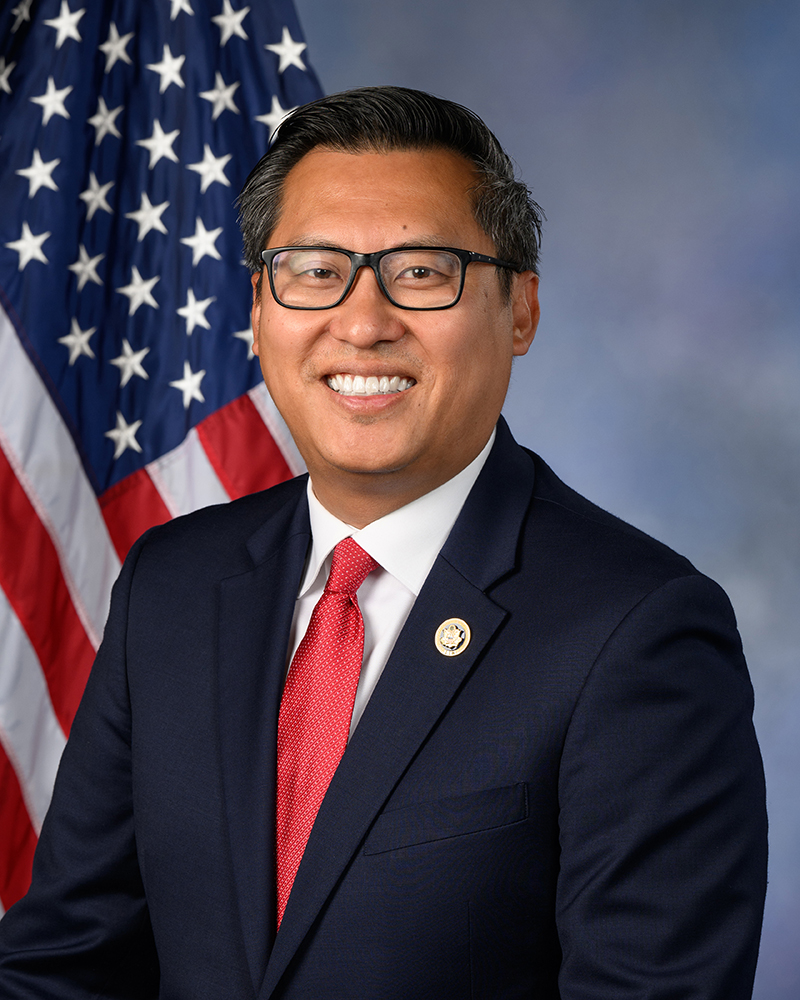
Rep. Vince Fong
Sponsored bills
Maddy summaryHRES 1421 is a symbolic House resolution designating September as Blood Cancer Awareness Month and urging the public to support related efforts. It does not create new laws or allocate funding but formally recognizes blood cancer as a significant health issue affecting over 1.6 million people in the U.S. and highlights research advances like immunotherapy. The resolution encourages Americans to educate themselves about blood cancer, advocate for research and care, and support those affected. It directly affects no specific group through policy changes, serving only as a non-binding expression of support.
Maddy summaryHR 9374, the Stand with Israel Act, prohibits U.S. federal funds from being used to support the United Nations or its entities if they restrict Israel's full participation as a member state. The bill specifically blocks funding for any UN body that expels, downgrades, or suspends Israel's membership or limits its ability to participate equally with other nations. This affects U.S. government contributions to the UN, requiring the Department of State and other agencies to halt funding for such UN actions. The key mechanism is a new provision in the UN Participation Act that mandates this funding restriction whenever Israel's UN participation is impaired.
Maddy summaryThe STOP TRANQ Act requires the U.S. government to include xylazine - a veterinary sedative increasingly mixed with illicit drugs - in the annual International Narcotics Control Strategy Report. This amendment adds xylazine to the list of substances tracked alongside illicit fentanyl, improving data collection on its role in drug trafficking and public health threats. The bill focuses on standardizing international reporting to better assess global drug trends, without altering enforcement or funding. It directly affects the Department of State and the Office of National Drug Control Policy, which produce the report.
Maddy summaryHR 5617, the Space Transformation And Reliability Act (STAR Act), is a procedural bill that makes a technical amendment to existing law. It changes the reference from "2023" to "2031" in a specific provision (section 50905(c)(9) of Title 51, U.S. Code) regarding a learning period. This adjustment modifies a deadline year for an unspecified program or requirement within the referenced legal section. The bill does not establish new policy or directly affect specific stakeholders, as it only updates a single year in a technical legal citation.
Maddy summaryHR 8920, the Tule River Tribe Reserved Water Rights Settlement Act of 2024, confirms the Tule River Tribe's water rights to divert and use up to 5,828 acre-feet per year of surface water from the South Fork Tule River. The bill establishes a $518 million trust fund for the Tribe to develop water infrastructure projects and a $50 million fund for operations and maintenance of those projects. It transfers approximately 9,600 acres of land (including Bureau of Land Management, Forest Service, and tribal fee lands) into trust for the Tribe. The legislation includes legal waivers of past water rights claims between the Tribe, the United States, and other water users, requiring judicial approval of the settlement before implementation.
Maddy summaryHRES 1330 is a non-binding resolution supporting Alzheimer’s and Brain Awareness Month in June. It recognizes the significant impact of Alzheimer’s disease on millions of Americans, including high prevalence among women and racial/ethnic minorities. The resolution encourages the public to educate themselves about Alzheimer’s, advocate for research and support services, and offer assistance to affected individuals, families, and caregivers. It does not create new programs, funding, or legal obligations. The resolution is directed at raising public awareness and fostering community support during the designated month.
Maddy summaryHR 8834, the Safeguarding Our Supply Chains Act, creates a Supply Chain Crime Coordination Center within Homeland Security to collect and analyze data on supply chain fraud and theft hotspots, including high-risk transportation routes and retail areas. It also establishes a multi-agency Task Force (including FBI, ICE, state/local law enforcement, and private sector partners) to coordinate efforts targeting organized crime groups stealing cargo, disrupting supply chains, and committing fraud. The Task Force will share intelligence, track theft trends, and work directly with affected businesses to address threats. The bill authorizes $100 million over five years for implementation and requires annual reports to Congress on the Task Force’s effectiveness in reducing these crimes. This law directly affects federal, state, and local law enforcement agencies, transportation and retail businesses, and supply chain operators.
Maddy summaryThis bill delays a Medicare policy that would have restricted coverage to only intravenous drugs for managing phosphate levels in kidney failure patients. It specifically postpones the implementation of the "oral-only" policy under Medicare's ESRD payment system until January 1, 2033, or until an intravenous drug for phosphate control receives FDA approval - whichever comes first. The bill directly affects Medicare beneficiaries with end-stage renal disease (ESRD) who rely on oral medications for phosphate management. It ensures continued Medicare coverage for these oral drugs during the extended timeline, without changing the underlying payment structure.
Maddy summaryHR 895, the Combating Organized Retail Crime Act of 2023, expands federal law to better prosecute organized retail theft by amending sections 2314 and 2315 of Title 18. It clarifies that crimes involving stolen goods valued at $5,000 or more over 12 months - including retail theft - can be prosecuted under existing federal statutes, and broadens definitions to include goods taken via "any facility of interstate or foreign commerce." The bill also creates a new Organized Retail Crime Coordination Center within Homeland Security, requiring it to coordinate federal, state, and local law enforcement efforts, share threat information with retailers, and produce annual public reports on trends. This directly affects law enforcement agencies, retailers, and criminal justice systems by standardizing prosecution thresholds and enhancing interagency collaboration.