

Maddy summaryHR 3519, the Hot Foods Act of 2023, amends the Food and Nutrition Act of 2008 to allow Supplemental Nutrition Assistance Program (SNAP) benefits to be used for hot foods or hot food products ready for immediate consumption at participating retailers. This change directly affects SNAP recipients who purchase such hot foods and retailers that sell them. The key provision removes the previous exclusion of hot foods from SNAP eligibility, while adding a limit that no more than 50% of a retailer's total gross sales from SNAP can come from hot foods. The bill clarifies that hot foods can be purchased for home or immediate consumption, aligning SNAP rules with current retail practices for prepared foods.
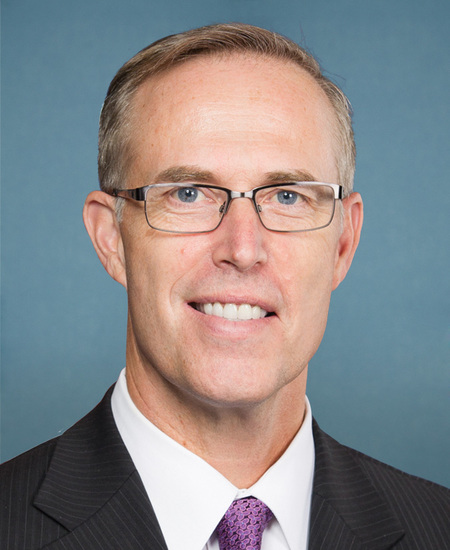
Rep. Jared Huffman
Sponsored bills
Maddy summaryThe SAFE Act of 2023 extends a 2018 law that prohibits slaughtering animals for human consumption to include horses, donkeys, and other equine animals, such as ponies. It amends Section 12515 of the Agriculture Improvement Act of 2018 by updating the language to replace "dog or cat" with "dog, cat, or equine" in both the section title and the main prohibition. This change directly affects the livestock industry and slaughter facilities by banning the processing of equines for food. The bill modifies existing law without adding new enforcement mechanisms, closing a gap in animal protection.
Maddy summaryThe LGBTQI+ and Women's History Education Act of 2023 would provide $2 million annually for five years to develop educational resources about women's and LGBTQI+ history for K-12 classrooms. The bill directs the Smithsonian's National Museum of American History to create inclusive teaching materials that address historical gaps where women and LGBTQI+ individuals, particularly those of color and with disabilities, have been underrepresented. These resources would include digital content, print materials, and professional development for teachers to help implement more comprehensive curricula. The bill aims to address findings showing only 13% of named historical figures in textbooks are women and that LGBTQI+ history is often omitted or marginalized in school curricula. The program would require annual reports to Congress on how funds are used, with the program set to sunset in 2028.
Maddy summaryThe Bonding Reform and Taxpayer Protection Act of 2023 requires oil and gas operators on federal lands and National Wildlife Refuge System lands to provide financial assurances (bonds) before starting surface-disturbing activities to cover reclamation costs. It sets minimum bond amounts of $150,000 per activity or $500,000 per state (adjusted for inflation), and mandates both interim and final reclamation plans for all operations. The bill also establishes a $0.10 per barrel fee on oil and gas production from federal lands to fund orphaned well plugging and reclamation, and creates annual inspection fees based on the number of wells (ranging from $700 to $9,800 annually). These provisions aim to ensure taxpayers aren't left bearing the cost of reclamation when operators fail to meet their obligations.
Maddy summaryThis bill creates a federal grant program to help low-income homeowners and affordable housing owners make their properties more resilient to climate-driven hazards like floods, wildfires, and extreme heat. It directs the Secretary of the Interior to award grants to states, tribes, and Native Hawaiian organizations to fund weatherproofing upgrades - including natural solutions like rain gardens - and requires strict eligibility rules (e.g., income ≤300% of poverty level, or properties with long-term affordability restrictions). Grantees must use funds for climate adaptation projects, provide outreach, and prohibit rent hikes for two years on multifamily buildings receiving funding. The program authorizes $250 million annually for 2024-2029 to implement these concrete resilience improvements.
Maddy summaryHJRES 76 proposes renaming the Robert E. Lee Memorial in Arlington National Cemetery to the "Arlington House National Historic Site." This procedural bill would replace all official references to the memorial with the new name and repeal two prior resolutions (1955 and 1972) that established the memorial. The change affects how the site is identified in federal laws, documents, and records but does not alter its management or historical significance. The bill focuses solely on the official designation, not on policy changes or historical interpretation.
Maddy summaryThe Housing Crisis Response Act of 2023 authorizes over $100 billion in funding for housing programs, including $10 billion for public housing capital improvements, $9.9 billion for the HOME Investment Partnerships Program, and $1.77 billion for energy efficiency improvements in affordable housing. It creates new down payment assistance programs for first-time and first-generation homebuyers, expands housing vouchers for vulnerable populations including those experiencing homelessness, and establishes new requirements for accessible housing units. The bill mandates that many housing projects maintain affordability for at least 20 years and includes specific provisions for rural housing, Native American communities, and lead-based paint hazard control. It also creates a new Housing Investment Fund to support affordable housing development and preservation, primarily for low-, very-low, and extremely low-income renters.
Maddy summaryThe Equality Act (HR 15) would amend federal civil rights laws to explicitly prohibit discrimination based on sexual orientation and gender identity in public accommodations, housing, employment, credit, and jury service. It amends the Civil Rights Act of 1964 to include sexual orientation and gender identity as protected characteristics under existing sex discrimination provisions. The bill would require businesses, housing providers, employers, and government entities to provide equal access and services without regard to a person's sexual orientation or gender identity. It includes specific definitions for gender identity and sexual orientation to clarify protections across all covered areas. The law would apply to all entities covered by the Civil Rights Act of 1964, including those receiving federal funding.
Maddy summaryHR 4121, the Right to Contraception Act, establishes a federal statutory right for individuals to access contraceptives and contraception services without government restriction or coercion, directly affecting all people seeking reproductive care and health care providers. The bill prohibits state or federal laws that limit access to contraceptives (defined broadly to include devices, drugs, and fertility methods), prevent individuals from obtaining or using them, or allow providers to refuse services based on personal beliefs. It preempts conflicting state laws, requires any restrictions to be justified by "clear and convincing evidence" of advancing access with no less restrictive alternative, and allows private lawsuits to challenge violations. The Act applies nationwide to all health care providers and individuals, protecting access regardless of factors like race, income, or location.
Maddy summaryHR 4024, the Clean Shipping Act of 2023, requires commercial vessels over 400 gross tons to gradually reduce the carbon intensity of their fuel. Starting in 2027, vessels must cut fuel carbon intensity by 20% compared to a 2024 baseline, increasing to 100% (zero emissions) by 2040. The bill mandates annual reporting of fuel carbon intensity and emissions for covered voyages (commercial trips between US ports or to foreign ports) and allows fleet averaging under common ownership. Vessels operating fewer than 30 days annually are exempt, and standards may be adjusted if technological or economic feasibility is challenged.