

Maddy summaryThis bill restores a tax deduction for personal losses caused by disasters, crimes, or scams (like stolen property or damage from hurricanes). It directly affects taxpayers who filed returns before 2025 but couldn’t claim this deduction due to a prior suspension. The bill reinstates the deduction and extends the deadline to file refund claims for these losses until the tax filing deadline for the year the bill becomes law. This allows eligible individuals to claim refunds they were previously barred from receiving.
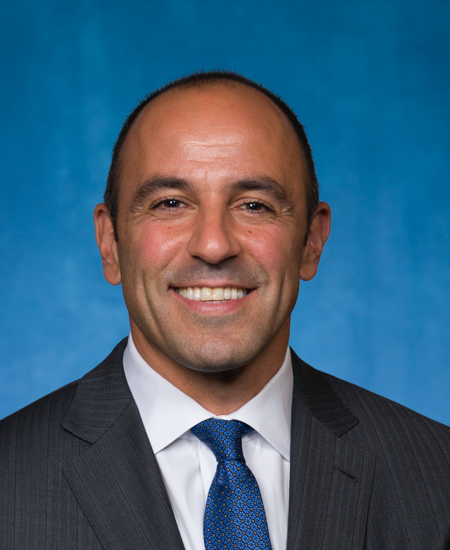
Rep. Jimmy Panetta
Sponsored bills
Maddy summaryHR 3408, the Pathways to Policing Act, authorizes $50 million annually from 2026 to 2030 to fund grant programs aimed at increasing diversity in law enforcement. It provides grants to states, local governments, and police agencies to support two key areas: up to 50% of funds for marketing/recruitment campaigns targeting underrepresented communities and nontraditional candidates, and up to 50% for "Pathways to Policing" programs that help new candidates overcome education barriers through financial support during training. These programs specifically assist individuals with no prior law enforcement experience who face obstacles to entering the field. The bill also directs the federal government to create nationwide recruitment campaigns and resources for local agencies, with a focus on recruiting officers who live in or will serve the communities they protect.
Maddy summaryHRES 407 is a symbolic House resolution designating May 10, 2025, as "National Asian American, Native Hawaiian, and Pacific Islander Mental Health Day." It directly recognizes the mental health disparities faced by AANHPI communities, including lower service utilization rates and higher youth suicide rates. The resolution encourages federal, state, and local health agencies to improve mental health awareness and access for these communities. It does not create new laws or funding but formally supports efforts to address cultural barriers in mental health care. The designation aligns with May's existing observances of AANHPI Heritage Month and Mental Health Awareness Month.
Maddy summaryThe EAGLE Act of 2025 establishes a $10 million federal grant program to help small local law enforcement agencies (under 350 employees) pay for accredited certification. Agencies must apply demonstrating financial need and specify costs for accreditation fees, on-site assessments, or extension fees charged by recognized bodies like CALEA. Grant funds cover only direct costs related to achieving or maintaining accredited status, not general operations. The program requires the Attorney General to set up the grants within 90 days of the bill becoming law.
Maddy summaryHR 3349, the Healthy Dog Importation Act, requires importers to provide electronic health documentation before bringing dogs into the U.S., including proof of vaccinations, parasite treatment, health status, and permanent identification. It directly affects importers and import transporters who move dogs across borders, mandating these requirements for all dogs except specific exceptions like returning U.S. military working dogs or dogs under veterinary care. Key mechanisms include a centralized database for tracking health certificates, annual reporting on import origins and purposes, and penalties for noncompliance. The bill also establishes a 18-month timeline for implementing regulations and repeals outdated importation rules under the Animal Welfare Act.
Maddy summaryHR 3376 creates the Water Affordability, Transparency, Equity, and Reliability Trust Fund, funded by increasing the corporate tax rate from 21% to 24.5% starting in 2025, with annual funding capped at $35 billion or 1/20th of 20-year infrastructure needs. The bill allocates funds to clean water programs (42%), safe drinking water programs (42.5%), household water well systems (1%), colonias assistance (0.5%), and Indian health services (3%), requiring specific prioritization of low-income and minority communities for many programs. It mandates an EPA study on water affordability, discriminatory practices, and civil rights violations in water service, including data collection on service disconnections affecting vulnerable populations. The bill also includes provisions for lead service line replacement, PFAS contamination response, and job training grants for water system operators with specific requirements to prioritize low-income communities.
Maddy summaryThis bill allows U.S. Representatives and Senators to use space within Department of Veterans Affairs (VA) facilities for meetings with veterans who are their constituents. It requires the VA Secretary to establish clear rules within 90 days, including that meeting spaces must be visible, accessible during business hours, and rented at rates similar to commercial office space in the area. The bill prohibits political campaigning, recording veterans without consent, or using VA spaces during the 60 days before federal elections. It directly affects veterans seeking in-person help from their representatives and the VA facilities managing these access points. The key change is creating a formal, regulated process for congressional access to VA locations, not altering veterans' benefits or policies.
Access to Prescription Digital Therapeutics Act of 2025 This bill provides for Medicare and Medicaid coverage of prescription digital therapeutics (i.e., software applications that are used to prevent, manage, or treat medical conditions). The Centers for Medicare & Medicaid Services must establish a Medicare payment methodology for payments to manufacturers that takes into account certain factors (e.g., ongoing use); manufacturers must report specified information about private payors, subject to civil penalties.
Maddy summaryThe Fiscal Commission Act establishes a 16-member commission to address the federal government's fiscal challenges, including reducing debt and deficit while aiming for a debt-to-GDP ratio of 100% by 2039. The commission must educate the public about fiscal issues, identify policy recommendations, and submit a detailed report with legislative language by November 2026 (with possible extension to April 2027). This report requires bipartisan approval, needing at least two Republican and two Democratic members for majority support. If approved, the recommended legislation would become an "implementing bill" considered under expedited procedures in both congressional chambers. The commission's work directly affects federal budget decisions and public awareness of fiscal policy, with hearings required to gather input from experts and government officials.
Maddy summaryHR 3277, the Ensuring Lasting Smiles Act, requires group health plans and health insurance issuers to cover medically necessary outpatient and inpatient treatments for congenital anomalies or birth defects primarily affecting the eyes, ears, teeth, mouth, or jaw. This includes reconstructive procedures, dental/orthodontic support during treatment, and follow-up care, but excludes purely cosmetic surgery not tied to a medical diagnosis. Cost-sharing (like copays) for these services must not be stricter than for other medical benefits. The law takes effect for plan years beginning January 1, 2026, and mandates insurers to provide notice about this coverage to beneficiaries.