Maddy summaryHR 6248, the "Think Differently Transportation Act," requires Amtrak to submit detailed annual reports to Congress about its compliance with the Americans with Disabilities Act (ADA). Specifically, the bill mandates that Amtrak’s reports include an action plan to fix non-compliant rail cars and stations (per a 2020 Department of Justice settlement), plus a status update on all Amtrak-served stations. For each station, the report must clarify Amtrak’s responsibility level (sole, shared, or none), timelines for compliance, and the entity responsible for non-Amtrak portions. This bill directly affects Amtrak’s reporting obligations and Congress’s oversight of ADA accessibility in rail services.
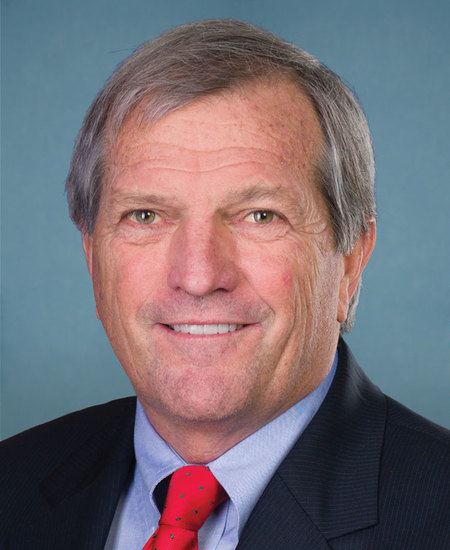
Rep. Mark DeSaulnier
Sponsored bills
Maddy summaryHR 5754 renames the U.S. courthouse at 350 W. 1st Street, Los Angeles, California, as the "Felicitas and Gonzalo Mendez United States Courthouse." The bill updates all federal references - such as legal documents, maps, and records - to use the new name. This is a ceremonial designation with no policy changes or direct impact on citizens or laws. The bill solely affects the courthouse's official name and related federal paperwork.
Maddy summary# Summary of Legislative Text This is a comprehensive legislative proposal focused on addressing substance use disorder through public health approaches, with significant funding and program requirements. Key elements include: 1. **Major Funding Programs:** - **Subtitle A (Local Grants):** $3.0 billion annually (2024-2033) for local entities to provide prevention, treatment, and recovery services - **Subtitle B (State/Regional Grants):** $4.6 billion annually (2024-2033) for state-level programs - **Subtitle C (Other Grants):** $1.0 billion annually (2024-2033) for specific entities and underserved populations - **Subtitle D (Innovation/Training):** $1.5 billion annually (2024-2033) for training, research, and capacity building 2. **Key Program Requirements:** - Mandates for evidence-based treatment services across multiple levels of care - Requirements for cultural competency, particularly for Native American communities - Specific focus on harm reduction, prevention, and recovery support - Provisions for naloxone distribution and overdose reversal programs 3. **Regulatory Changes:** - New certification requirements for covered manufacturers, distributors, and dispensers of Schedule II controlled substances - Penalties for failure to submit certifications or submitting false certifications - Creation of a "Comprehensive Addiction Resources Fund" for penalty revenues 4. **Focus Areas:** - Prevention services (including trauma-informed approaches) - Early intervention services - Recovery support services - Harm reduction programs - Workforce development for treatment providers - Special attention to underserved populations (rural communities, racial minorities, formerly incarcerated individuals) 5. **Funding Priorities:** - 10% of funds for Native American communities - Specific requirements for cultural competency and language access - Mandated data collection and reporting systems This legislation represents a significant shift toward public health approaches to substance use disorder, emphasizing prevention, treatment, and recovery support rather than punitive measures, with substantial funding commitments over a decade.

Maddy summaryThis bill requires call center employers (with 50+ full-time staff) to notify the Labor Secretary 120 days before moving operations overseas or contracting such work, adding them to a public list for 5 years. Employers on this list become ineligible for federal grants or loans during that period, and federal contracts must prioritize companies not relocating work overseas. It also mandates that all businesses handling customer service communications disclose agent locations at call start (with limited exceptions), allow transfers to U.S.-based agents upon request, and annually certify compliance to the FTC. These provisions directly affect large call center employers and all businesses providing customer service via phone, email, or chat in the U.S.
Maddy summaryThis resolution (HRES 1234) is a ceremonial gesture celebrating the East Bay Regional Park District's 90th anniversary. It recognizes the district's work preserving 126,000 acres of parks, trails, and shoreline across Alameda and Contra Costa Counties for environmental conservation and public recreation. The House commends the district for its 90-year commitment to protecting open space and enhancing community well-being, and encourages East Bay residents to participate in anniversary events. As a commemorative resolution, it has no policy or funding impact.
Maddy summaryThe Rights for the TSA Workforce Act of 2024 would transition Transportation Security Administration (TSA) employees, particularly screening agents, from TSA-specific personnel rules to the standard federal government personnel system under Title 5 of the U.S. Code by December 31, 2024. The bill prohibits changes to current personnel policies for covered employees until the transition date and ensures no reduction in pay or benefits during the conversion process. It preserves certain benefits like law enforcement availability pay for Federal air marshals and maintains collective bargaining rights for screening agents. The bill also requires various reports to Congress on recruitment, implementation, diversity, and workplace safety to be submitted within specified timeframes.
Maddy summaryHRES 1217 is a symbolic House resolution supporting the designation of May 10, 2024, as "National Asian American, Native Hawaiian, and Pacific Islander Mental Health Day." It directly affects the AANHPI community, which faces significant mental health disparities (including 63.7% of those needing care not receiving it and higher youth suicide rates). The resolution does not create new policies or funding but encourages federal, state, and local agencies to improve mental health awareness and culturally appropriate services for this community. It emphasizes recognizing cultural heritage as beneficial to mental health and aligns with existing May observances for AANHPI Heritage and Mental Health Awareness.
Maddy summaryThis bill authorizes the placement of a memorial honoring women who contributed to World War II efforts on the National Mall or adjacent federal land in Washington, D.C. It specifically removes a location restriction (under 40 U.S.C. § 8908) to allow the memorial - previously authorized by the 2023 Consolidated Appropriations Act - to be situated within Area I of the National Mall or the National Mall Reserve. The memorial would commemorate over 18 million women who worked as pilots, engineers, mechanics, and codebreakers during the war. The bill directly affects the Women Who Worked on the Home Front Foundation, which is tasked with establishing the memorial.
Maddy summaryThis bill expands compensation options for individuals filing discrimination lawsuits under federal civil rights law. It allows victims to claim damages for emotional harm - including mental anguish, loss of enjoyment of life, and non-financial suffering - alongside financial losses. The bill also adds a right to a jury trial for damages in these cases. For age discrimination claims specifically, it aligns available remedies with those under the Civil Rights Act of 1964, including all legal or equitable relief previously available for race-based discrimination.
Maddy summaryThis bill names a specific United States Postal Service facility at 24355 Creekside Road in Santa Clarita, California, as the "William L. Reynolds Post Office Building." It directly affects the physical location of this post office by changing its official designation. The key provision is a simple name change, with all existing references to the building in federal documents automatically updated to reflect the new name. This is a ceremonial designation with no policy or funding changes.