

Maddy summaryThe Artificial Intelligence Environmental Impacts Act of 2026 directs the Environmental Protection Agency to study and report on the environmental effects of artificial intelligence, including energy and water use, pollution, and electronic waste. This bill requires large data centers to annually submit detailed public reports on their resource consumption and environmental footprint, with penalties for non-compliance. Additionally, it establishes a stakeholder consortium to develop standardized methods for measuring these impacts and to identify ways to promote beneficial uses of AI while reducing negative effects. The legislation aims to increase transparency and accountability regarding the growing environmental costs associated with AI infrastructure and operations.
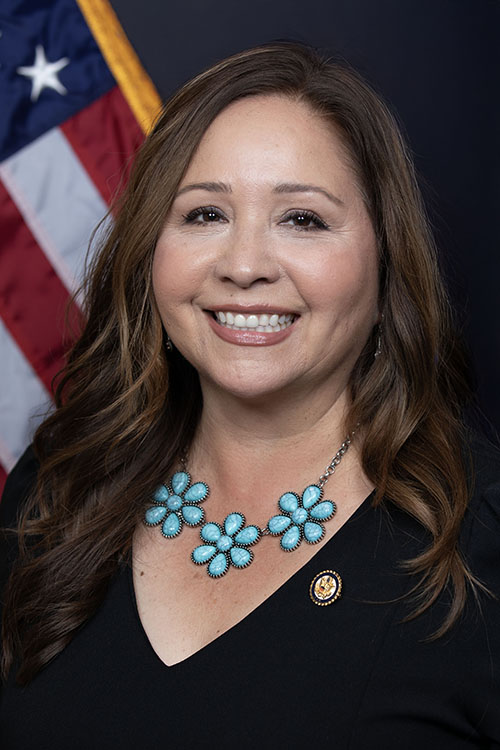
Rep. Adelita S. Grijalva
Sponsored bills
Maddy summaryThis concurrent resolution directs the President to withdraw all United States Armed Forces from Lebanon within seven days of the bill's adoption. It operates under section 5(c) of the War Powers Resolution, which allows Congress to mandate the removal of troops from foreign locations. The measure directly affects the executive branch by requiring immediate compliance with the specified timeline for troop withdrawal.
Maddy summaryThe Protecting Student Privacy Act prevents federal student aid data from being shared with immigration enforcement agencies for the purpose of enforcing immigration laws. This rule applies to information held by the Department of Education regarding students and their financial contributors, such as parents or spouses, and blocks its use for arrests, interviews, or surveillance by the Department of Homeland Security and other authorized entities. The law includes specific exceptions for court orders related to criminal offenses and for cases where a student or contributor voluntarily and without pressure consents to sharing their information. Additionally, the bill requires the Secretary of Education to report any unauthorized disclosures to Congress and states that this new rule overrides any conflicting state or local laws.
Maddy summaryH.Con.Res. 107 is a non-binding resolution that formally recognizes the importance of reducing gun violence and strengthening public safety as the United States celebrates its 250th anniversary in 2026. The bill does not create new laws or change existing policies, but instead expresses Congress's commitment to these goals and honors the lives lost to gun violence. It acknowledges the efforts of community leaders, law enforcement, and advocates while calling for continued support of victim services and data collection initiatives.
Maddy summaryThe Celiac Safety Act of 2026 officially classifies gluten-containing grains as a major food allergen under federal law, directly impacting the food industry and individuals with celiac disease or gluten intolerance. This change requires manufacturers to label products containing wheat, rye, barley, or their crossbred hybrids with the same prominence as other major allergens like milk. The new labeling requirements will not take effect until 18 months after the law is enacted, giving businesses time to adjust their packaging and production processes.
Maddy summaryThis bill, titled the Ending Fossil Fuel Bailouts Act of 2026, modifies federal bankruptcy laws to specifically target oil, gas, and coal companies. It requires these companies to prioritize paying worker wages and environmental cleanup costs over other debts, including those owed to shareholders. The legislation also prevents fossil fuel firms from abandoning their assets during bankruptcy and extends the time period for investigating fraudulent financial transfers to ten years. Additionally, it prohibits the transfer of certain federal energy leases if the company holding them files for bankruptcy. These changes aim to ensure that environmental liabilities and employee compensation are addressed before other financial claims are settled.
Maddy summaryThis bill establishes new federal standards requiring oil and gas companies operating on the Outer Continental Shelf to be certified as "fit to operate" before they can obtain or maintain leases. To receive this certification, companies must demonstrate a clean safety and environmental record over the past decade, maintain an investment-grade credit rating, and prove they have sufficient funds to cover future decommissioning costs. The legislation also mandates that operators place a significant portion of estimated decommissioning costs into interest-bearing escrow accounts and limits the time a well can be temporarily abandoned to three years, with a possible one-time extension to five years. Additionally, the bill requires the Department of the Interior to conduct annual compliance checks and submit detailed reports to Congress regarding enforcement actions and escrow account balances.
Maddy summaryThe RESTORE Third Spaces Act of 2026 establishes a three-year federal pilot program to provide grants for renovating and developing community gathering places known as "third spaces," which are public areas distinct from home and work. Administered by the Department of Commerce, the program offers up to $200 million to local governments, nonprofits, and other eligible entities to support projects that strengthen local economies and reduce social isolation. A key requirement of the bill is that at least 60% of the funding must go to low-income and underserved communities, and the resulting spaces must remain free or low-cost for the public. To ensure accountability, recipients must engage the community in the design process and report on attendance, economic impact, and social benefits, with a final report submitted to Congress after the pilot period concludes.
Maddy summaryThe Stay Cool Act establishes a comprehensive framework to help communities prepare for and respond to extreme heat events by creating cooling centers, improving housing conditions, and enhancing urban infrastructure. It directs federal funding to states and local governments to build and equip cooling facilities, install air conditioning in public housing, and develop green spaces and water features to lower temperatures. The bill also creates a national system to track heat-related health risks, mandates checks on vulnerable seniors during heatwaves, and allows tax credits for businesses that keep their doors open during heat emergencies. Additionally, it requires updates to utility assistance programs to account for cooling costs and calls for studies on heat-related mortality and safe residential temperature standards.
Maddy summaryThis joint resolution seeks to officially reject a final rule issued by the Department of Education regarding federal student loan programs. If passed, the measure would prevent the new regulations from taking effect, leaving the previous rules in place. The bill directly impacts borrowers, lenders, and the Department of Education by nullifying the specific changes outlined in the "Reimagining and Improving Student Education" proposal. It is a procedural action that uses the Congressional Review Act to disapprove the agency's policy without altering the underlying law.