

Maddy summaryHR 5403, the CBDC Anti-Surveillance State Act, prohibits the Federal Reserve from issuing or facilitating central bank digital currency (CBDC) directly or indirectly to individuals through financial institutions. It specifically bans Federal Reserve banks from offering digital products to individuals, maintaining individual accounts, or using CBDC for monetary policy implementation. The bill also clarifies that its restrictions do not apply to existing physical cash or private, permissionless digital payment systems. This bill directly affects the Federal Reserve's ability to develop or deploy a government-run digital dollar. The law aims to prevent the Federal Reserve from creating a digital currency that could enable transaction tracking or government oversight of personal financial activity.
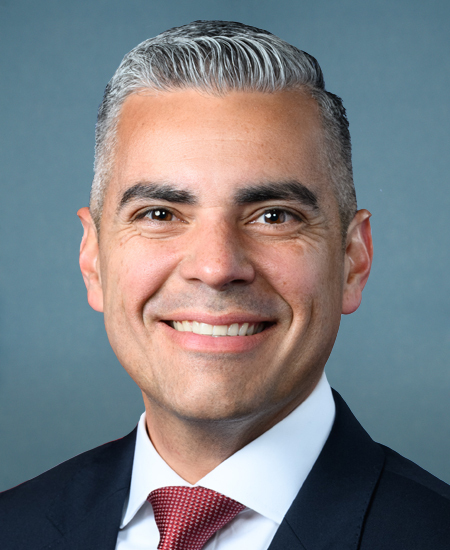
Rep. Juan Ciscomani
Sponsored bills
Maddy summaryHCONRES 108 is a concurrent resolution commemorating the 100th anniversary of the June 3, 1924, designation of the Gila Wilderness as the first federally protected wilderness area in the United States and the world. It recognizes this milestone as the foundation for the national wilderness system and the inspiration for the 1964 Wilderness Act, while honoring the roles of Forest Service employees Aldo Leopold and Arthur Carhart and the Indigenous stewardship of the Apache and Mimbres peoples. As a symbolic resolution, it does not create new laws or policies but serves to acknowledge the Gila Wilderness's enduring preservation without permanent human development, maintaining its status as a protected area managed for conservation.
Maddy summaryThis bill amends the 2022 Camp Lejeune Justice Act to clarify and correct technical details. It updates eligibility requirements for claimants (requiring 30 days at Camp Lejeune and defining "latent harm" instead of "latent disease"), clarifies court jurisdiction for cases, and specifies attorney fee structures (20% pre-litigation, 25% post-litigation). The changes directly affect individuals who developed health issues due to contaminated water at Camp Lejeune, streamlining their legal process under the existing 2022 law.
Maddy summaryHR 895, the Combating Organized Retail Crime Act of 2023, expands federal law to better prosecute organized retail theft by amending sections 2314 and 2315 of Title 18. It clarifies that crimes involving stolen goods valued at $5,000 or more over 12 months - including retail theft - can be prosecuted under existing federal statutes, and broadens definitions to include goods taken via "any facility of interstate or foreign commerce." The bill also creates a new Organized Retail Crime Coordination Center within Homeland Security, requiring it to coordinate federal, state, and local law enforcement efforts, share threat information with retailers, and produce annual public reports on trends. This directly affects law enforcement agencies, retailers, and criminal justice systems by standardizing prosecution thresholds and enhancing interagency collaboration.
Maddy summaryThis bill requires the President to provide Congress with a 15-day written notice before pausing, delaying, or suspending U.S. arms shipments to Israel, including detailed justification and impact analysis. It establishes strict congressional review periods: 15 days for initial review, plus additional 10-12 day windows if Congress introduces a disapproval resolution, effectively giving lawmakers significant power to block such pauses. The bill directly affects the President and the White House by restricting unilateral decisions on military aid to Israel, specifically targeting delays like the May 2024 pause on bomb shipments. Key provisions define "covered defense articles" as weapons under existing export laws and mandate transparency about funding, end users, and potential impacts on Israel’s military edge.
Maddy summaryThis bill requires the U.S. Department of Defense and State Department to immediately deliver all previously approved military equipment and services to Israel within 15 days, reversing any pauses on arms transfers. It prohibits using federal funds to withhold, halt, or cancel defense article deliveries to Israel and mandates that unobligated security assistance funds for Israel must be spent by the end of 30 days. The bill also requires monthly reports to Congress detailing all security assistance provided to Israel since October 7, 2023, including specific items delivered and funding sources. The law directly affects U.S. agencies responsible for military aid and Israel as the recipient of the security assistance.
Maddy summaryHR 7581 requires the Attorney General to submit three new reports within 270 days of enactment, focusing on data gaps affecting law enforcement safety. The bill mandates a detailed analysis of violent attacks against officers (including ambushes), non-criminal aggressive incidents not currently reported, and mental health impacts from such events. These reports will assess current data collection systems, training effectiveness, resource availability, and disparities in reporting across federal, state, and local law enforcement. The goal is to inform better prevention strategies and resource allocation for officer safety and wellness, without creating new funding or programs.
Maddy summaryHR 6462, the READINESS Act, helps federal employees who are spouses of military members or Foreign Service officers when their spouse receives a permanent relocation order. The bill requires federal agencies to offer these employees one of four options within 30 days: full-time remote work, a local transfer to a position of equal grade, a remote transfer, or unpaid leave for up to 36 months. Agencies must report all requests and actions taken annually to the Office of Personnel Management (OPM), with OPM then summarizing this data for Congress each year. This directly affects federal employee spouses facing relocation due to a service member's permanent duty station change, aiming to reduce employment disruption.
Maddy summaryHRES 1226 is a non-binding resolution honoring 282 law enforcement officers killed in the line of duty during 2023, listed by name in the resolution. It formally acknowledges their sacrifice, expresses unwavering support for current officers, and recognizes the need for adequate resources to protect them. The resolution does not create new laws or policies but serves as a ceremonial tribute to memorialize fallen officers and support their families, aligning with existing National Police Week observances established since 1962.
Maddy summaryHR 3325, the Recruit and Retain Act of 2024, expands how federal COPS grants can be used to help law enforcement agencies hire officers. It allows grants to cover application fees (like background checks) for agencies facing declining recruitment, permits up to 2% of grant funds for administrative costs, and creates a new "Pipeline Partnership Program" requiring law enforcement agencies to partner with schools or colleges to engage students through career events, mentoring, and internships. The bill also adds guidance for agencies operating below budgeted staffing levels and mandates a Comptroller General study on recruitment/attrition trends across all levels of law enforcement. These changes directly affect local, state, and tribal police departments struggling to recruit or retain officers, as well as educational institutions partnering with them.