

Maddy summaryThis bill updates securities laws to expand exemptions for retirement plans used by charities and educational institutions. It specifically modifies definitions in the Investment Company Act, Securities Act, and Securities Exchange Act to include 403(b) plans meeting certain conditions - such as being subject to ERISA, having employer fiduciary oversight, or being governmental plans. These changes reduce regulatory hurdles for organizations offering these plans, making it easier to administer retirement benefits for their employees. The bill directly affects charities, schools, and other non-profits that sponsor 403(b) retirement plans.
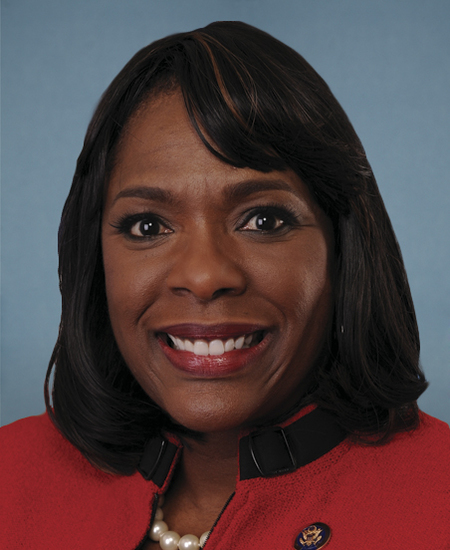
Rep. Terri A. Sewell
Sponsored bills
Maddy summaryThe CARE for Moms Act aims to reduce maternal mortality in the United States by expanding access to comprehensive care for pregnant and postpartum individuals. It directly affects women, particularly Black women who face disproportionately higher maternal mortality rates, as well as rural and underserved communities. Key provisions include funding State-based perinatal quality collaboratives ($35 million annually), requiring 12-month Medicaid coverage for postpartum individuals, mandating oral health services during pregnancy, supporting doula services through $50 million in grants, and creating regional centers to address implicit bias in healthcare. The bill also establishes rural mobile health units for obstetric care and requires hospitals to notify authorities 90 days before closing obstetric units. These changes aim to address systemic issues contributing to the U.S. maternal mortality crisis, which has the highest rate among developed nations.
Maddy summaryHRES 899 is a symbolic House resolution recognizing the Transgender Day of Remembrance and memorializing transgender people killed by violence in 2024-2025. It directly affects transgender individuals, particularly transgender women of color, by acknowledging the epidemic of violence against them - citing 27 U.S. victims (including names like Rick Alastor Newman and Kyla Jane Walker) and 241 global cases in 2025. The resolution’s key provisions include formally recognizing the violence epidemic, memorializing specific lives lost, and affirming the need for solutions to protect transgender people. It does not create new laws but expresses congressional support for addressing systemic violence and discrimination faced by transgender communities.
Maddy summaryHR 6227, the Human Trafficking Survivor Tax Relief Act, exempts certain compensation received by human trafficking survivors from federal income tax. Specifically, it excludes restitution or civil damages awarded under federal trafficking laws (18 U.S.C. §§1593 and 1595) from taxable income. This applies to payments survivors receive as compensation for trafficking, including criminal restitution or civil damages from lawsuits. The bill directly benefits survivors who receive these specific awards, ensuring they retain more of their compensation. The tax exclusion applies to taxable years beginning after the bill’s enactment.
Maddy summaryThis bill would expand Medicare Part B coverage to include medical nutrition therapy for beneficiaries with a wider range of chronic conditions beyond current limits (diabetes and kidney disease). It specifically adds conditions like obesity, hypertension, eating disorders, cancer, gastrointestinal diseases, and HIV to the list of covered illnesses, allowing coverage for prevention, management, or treatment. The bill also allows more healthcare providers - including dietitians, nurse practitioners, and clinical psychologists - to deliver these services. This change would directly affect millions of Medicare beneficiaries managing these conditions who previously lacked coverage for medically necessary nutrition therapy.
Maddy summaryThe Kidney Care Access Protection Act (HR 6214) improves access to innovative kidney treatments for Medicare beneficiaries with end-stage renal disease. It extends transitional payment adjustments for new renal dialysis drugs and devices for at least three years, then establishes permanent payment adjustments based on actual utilization and costs. The bill also expands Medicare's annual wellness benefit to include kidney disease screening and increases access to kidney disease education services through renal dialysis facilities. These changes apply to Medicare beneficiaries, renal dialysis facilities, and healthcare providers, with key provisions effective January 1, 2026.
Maddy summaryThis bill establishes a federal grant program to improve diabetes care in underserved urban and rural communities. It authorizes the Health Secretary to fund eligible providers - including community health centers, rural clinics, and tribal health departments - to deliver comprehensive services like routine diabetes treatment, prevention education, eye/foot care, and kidney disease management. Grants require providers to offer culturally appropriate care in local languages and conduct community outreach. Funding must be distributed equitably between urban and rural areas, with authorization for fiscal years 2026-2031. The program directly supports patients in medically underserved communities facing barriers to diabetes care.
Maddy summaryThe Healthy MOM Act (HR 6242) would require health insurance plans to provide a special enrollment period for pregnant individuals beginning when pregnancy is reported to the insurer. It mandates that group health plans and health insurance issuers cover maternity care, including childbirth and postpartum care, for all dependents regardless of age. The bill would extend Medicaid coverage for pregnant individuals and infants to 12 months postpartum (instead of ending at 60 days postpartum) and make this 12-month coverage permanent. These provisions would directly affect pregnant individuals, women with dependent children who are pregnant, and health insurance plans and Medicaid programs.
Maddy summaryHR 6212, the Good Samaritan Menstrual Products Act, protects donors and nonprofits from liability when providing menstrual products in good faith. It shields people, manufacturers, distributors, and nonprofits from civil or criminal liability for the condition of "apparently usable" donated products (those meeting all safety standards but not necessarily marketable). The law applies to products like tampons, cups, and liners distributed to individuals in need through nonprofits. Liability protection does not apply if gross negligence or intentional misconduct causes injury or death.
Maddy summaryHR 6181, the John Lewis Every Child Deserves a Family Act, prohibits child welfare agencies receiving federal funds from discriminating against children, youth, or prospective foster/adoptive parents based on religion, sex (including sexual orientation and gender identity), or marital status. It directly affects LGBTQ youth in foster care - overrepresented at 30% of the system - who face higher risks of trauma, group home placements, and suicide attempts compared to non-LGBTQ peers. Key provisions require agencies to collect data on sexual orientation and gender identity, establish a National Resource Center for LGBTQ youth support, provide cultural competency training, and eliminate discriminatory practices. The law aims to improve safety, permanency, and placement stability by expanding access to family-based care and ensuring equitable services for all children in the system.