

Maddy summaryThis bill prohibits federal funding for gender transition procedures - including hormone therapy, puberty blockers, and surgeries like genital reassignment - across all federal programs and health plans. It exempts procedures for medical conditions (such as disorders of sex development) and treatment of complications arising from such procedures. The bill also blocks Affordable Care Act premium tax credits and cost-sharing reductions for health plans covering these services, though individuals may purchase separate non-federal-funded coverage. State and private insurers can still offer such coverage using their own funds, but federal subsidies cannot be applied to it.
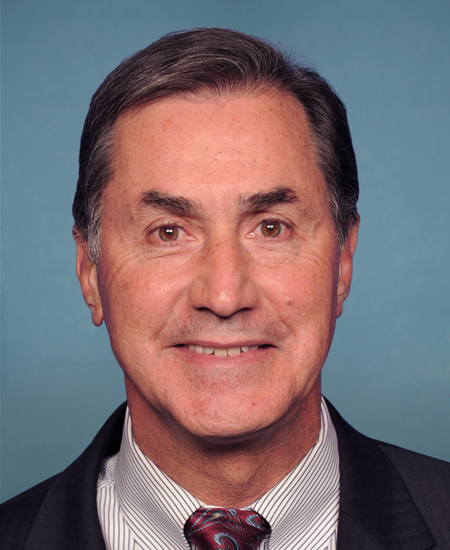
Rep. Gary J. Palmer
Sponsored bills
Maddy summaryHR 2667, the "Fighting Trade Cheats Act of 2023," increases penalties for importers who commit customs fraud or gross negligence. It triples civil penalties for fraudulent violations (to three times the domestic value) and raises gross negligence penalties to ten times, while adding five-year import bans for fraud and two-year bans for gross negligence. The bill also allows U.S. businesses, unions, or trade groups harmed by such violations to sue violators in federal court for triple damages, attorney fees, and injunctions against further imports. Additionally, it excludes violators and their affiliated companies from the Importer of Record program, with special rules to block shell companies evading customs laws. This directly affects importers who violate customs laws and U.S. businesses competing with those imports.
Maddy summaryHR 1399, the "Protect Children's Innocence Act," prohibits medical gender-affirming care for minors under 18 by making it a class C felony for providers to perform such care. The bill defines gender-affirming care broadly to include surgical procedures, hormone treatments, and certain cosmetic procedures, with exceptions for medical conditions like reproductive cancers or intersex conditions. It prohibits federal funding for gender-affirming care through programs like Medicaid, Medicare, and the Affordable Care Act, and bans such care in federal health facilities. The bill also prevents institutions of higher education from teaching gender-affirming care and adds immigration consequences for individuals who provide such care to minors.
Maddy summaryHR 497, the Freedom for Health Care Workers Act, eliminates a federal requirement for healthcare workers in Medicare and Medicaid programs to be vaccinated against COVID-19. The bill directly affects healthcare providers who treat patients under these federally funded programs by preventing the enforcement of the November 2021 HHS rule mandating staff vaccinations. Its key provision prohibits the Department of Health and Human Services from implementing, enforcing, or creating a similar rule regarding vaccination for these workers. This bill changes the policy by removing a specific vaccine mandate for providers in Medicare and Medicaid programs.
Maddy summaryThis bill bans federal funding for abortions in most cases, prohibiting the use of taxpayer money for abortion services or health insurance plans covering abortion. Exceptions allow funding for abortions resulting from rape, incest, or when a pregnancy endangers a woman's life. It requires health insurance plans sold through the Affordable Care Act (ACA) marketplaces to clearly disclose any separate costs for abortion coverage and prohibits ACA subsidies from being used for plans that cover abortion (except in the specified exceptions). The law directly affects federal programs like Medicaid, ACA marketplace plans, and insurers offering health coverage to individuals using federal subsidies.
Maddy summaryHR 152, titled the "Hearing Protection Act," actually addresses firearm silencers (suppressors), not hearing protection. The bill removes federal registration requirements for silencers by directing the Attorney General to destroy all existing silencer records within 365 days. It also preempts state laws that tax, register, or impose recordkeeping requirements on silencers, making such state rules unenforceable. Additionally, the bill updates tax codes to include silencers as taxable items and clarifies their definition in firearm laws.
Maddy summaryHJRES 142 is a congressional disapproval resolution targeting a Department of Labor rule issued on April 25, 2024. It seeks to block the "Retirement Security Rule: Definition of an Investment Advice Fiduciary" (89 Fed. Reg. 32122), which defined standards for financial advisors handling retirement accounts. If passed, this resolution would make the Labor Department's rule ineffective, directly affecting retirement plan advisors and financial institutions subject to the regulation. The bill uses a specific procedural mechanism under Title 5, U.S. Code, to nullify the rule without creating new law.
Maddy summaryHR 6751 authorizes the U.S. Mint to produce commemorative coins honoring Roberto Clemente, a Hall of Fame baseball player and humanitarian, including 50,000 $5 gold coins, 400,000 $1 silver coins, and 750,000 half-dollar coins. The coins must feature Clemente's image and inscriptions like "Roberto Clemente" and "2027," with all sales including a surcharge ($5-$35 per coin) paid to the Roberto Clemente Foundation. The foundation, which supports youth sports, education, and disaster relief programs, will use these funds for its mission, while the U.S. Treasury must recover all production costs. The coins will be sold exclusively in 2027, with no net cost to the government.
Maddy summaryThis bill names the Department of Veterans Affairs community-based outpatient clinic in Guntersville, Alabama, as the "Colonel Ola Lee Mize Department of Veterans Affairs Clinic." It requires all federal references in laws, regulations, maps, and documents to use the new name after enactment, updating the clinic's official designation. The bill does not change clinic services, funding, or operations - it solely honors Colonel Ola Lee Mize through the clinic's name.
Maddy summaryHR 8706, the "Dismantle DEI Act of 2024," would prohibit federal agencies from maintaining diversity, equity, and inclusion (DEI) offices, programs, or training by requiring the closure of existing DEI offices within 90 days and banning federal funding for DEI-related activities. The bill defines "prohibited diversity, equity, and inclusion practices" as those that discriminate based on race, color, ethnicity, religion, biological sex, or national origin, or require training that asserts a particular group is inherently superior or inferior. It would rescind several executive orders related to racial equity and gender inclusion, and prohibit the use of federal funds for DEI-related activities across all federal agencies, contractors, and grant recipients. The bill contains limited exceptions for Equal Employment Opportunity offices and disability rights enforcement offices as historically organized and operated.