

Maddy summaryHJRES 11 proposes a constitutional amendment that would limit Members of Congress to serving a maximum of three terms in the House of Representatives and two terms in the Senate. If passed and ratified, it would prevent any member who has already served the maximum terms from running for re-election, including time spent filling vacancies (for more than one year in the House or three years in the Senate). This amendment directly affects current and future members of Congress by changing eligibility rules for re-election. The proposal is currently a joint resolution in the House, requiring ratification by three-fourths of state legislatures to become part of the Constitution.
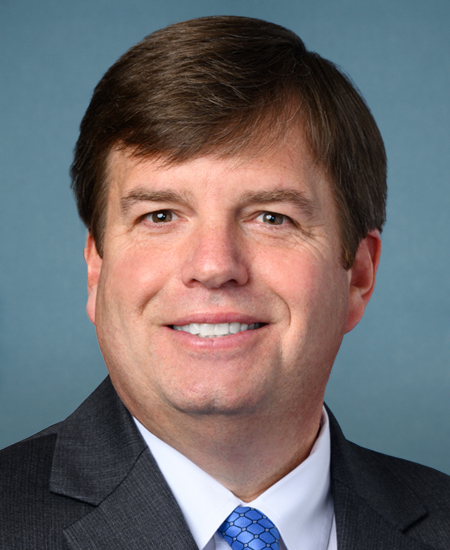
Rep. Dale W. Strong
Sponsored bills
Maddy summaryHR 5641, the Pay Our Troops Act, ensures military personnel and their support staff continue receiving pay during fiscal year 2024 if Congress fails to pass regular budget appropriations. It appropriates existing Treasury funds to cover pay and allowances for active-duty troops, reserve components, and civilian employees or contractors supporting military operations. The bill automatically terminates on January 1, 2025, or earlier if Congress enacts a regular budget or continuing resolution. This provision directly affects service members, Department of Defense staff, and Coast Guard personnel (when not under the Navy) during budget implementation gaps.
Maddy summaryHR 5070, the USDA CROP Act of 2023, requires the USDA's Office of Pest Management Policy to coordinate more closely with the Environmental Protection Agency (EPA) when reviewing pesticide rules. It mandates that USDA provide the EPA with specific data on pesticide use and the economic impact of alternatives before the EPA makes decisions that could restrict pesticide sales or use. The bill also requires the EPA to give USDA 90 days to comment on proposed changes to pesticide labels or registrations, and to delay implementation if no economically viable alternative exists for farmers. This directly affects agricultural producers by ensuring their economic concerns are considered in pesticide regulatory decisions.
Maddy summaryHR 5609 bans the use of federal funds for security protection (including U.S. Marshal services) for the former director of the National Institute of Allergy and Infectious Diseases who served from January 1984 to December 2022. The bill directly affects that specific individual by ending federal funding for their security needs after their tenure. It does not alter security eligibility for other former officials or create new protections. The policy change is limited to removing federal funding for this one former position’s security coverage.
Maddy summaryHR 5465, the Congressional Access to Bureaucratic Offices Act (CABO Act), requires federal agency heads to allow Members of Congress and their staff access to agency headquarters buildings during regular business hours. It mandates that access be granted upon presentation of valid congressional identification (for Members) or a staff badge while accompanied by the employing Member (for staff), with exceptions for areas requiring secret-level security clearance. The bill also ensures this access applies during declared emergencies (like national emergencies under the National Emergencies Act or public health emergencies), without imposing additional costs by using existing agency funds. This directly affects how federal agencies manage physical access for congressional personnel.
Maddy summaryHR 3152, the "Fight CRIME Act," aims to maintain international restrictions on Iran's missile-related activities by requiring diplomatic efforts to extend these restrictions before they expire in October 2023. The bill mandates annual reports detailing U.S. diplomatic strategies, potential impacts of expiration, and measures to deter missile technology transfers to Iran. It establishes sanctions against foreign individuals or entities that knowingly support Iran's missile or drone programs, including asset freezes and visa restrictions. These sanctions apply regardless of whether UN restrictions remain in effect after their expiration, directly affecting foreign entities involved in these activities.
Equality in the Halls of Congress Act This bill authorizes the President to invite each U.S. territory to provide and furnish no more than two statues for placement in National Statuary Hall.
Maddy summaryHR 5130, the "Finish It Act," requires the Department of Defense to use stored border wall construction materials (valued at approximately $300 million) for building permanent barriers along the U.S.-Mexico border within 30 days of the bill's enactment. It mandates that states receiving materials certify they will use them exclusively for border barriers, with penalties for unused materials (requiring repayment of the original cost) and imposes a 1% budget cut for every two days of delay in implementation. The bill also demands a detailed report from the Department of Defense within 90 days, including internal communications about storage costs and contracts with private landowners. This legislation directly affects the Department of Defense and border states, focusing on redirecting existing resources rather than creating new funding or construction.
Maddy summaryHR 5067, the Empowering Electric Grid Reliability Act, directs the U.S. Secretary of Energy to establish a task force within three months to study supply chains for critical electric grid components like transformers and substation equipment. The task force will identify risks - including geopolitical threats, digital vulnerabilities, and manufacturing gaps - and assess domestic capabilities to ensure reliable power delivery to homes and businesses. It must submit a report with specific policy recommendations for reshoring supply chains, building stockpiles, enhancing workforce training, and improving grid resilience. The bill does not enact immediate changes but mandates a study to inform future decisions on energy infrastructure security.
Maddy summaryHR 4721, the Main Street Tax Certainty Act, makes a permanent the 20% tax deduction for eligible small business owners under Section 199A of the tax code. This provision directly affects pass-through business owners (like S-corps, partnerships, and sole proprietorships) who qualify for the deduction. The bill achieves this by removing the temporary expiration language (subsection (i)) from the existing tax code provision. The key change is ending the need for annual congressional extensions of this deduction, providing long-term tax certainty for small businesses.