

Keep Air Travel Safe Act This bill provides continuing appropriations for the Transportation Security Administration (TSA) during any period in which there is a lapse in appropriations for TSA. It also requires the continuing appropriations to be funded using certain unobligated funds that were provided to U.S. Immigration and Customs Enforcement by the One Big Beautiful Bill Act. The bill provides the appropriations for TSA to continue all programs, projects, or activities (including the costs of direct loans and loan guarantees) that were funded in the preceding fiscal year. The appropriations provided by this bill are available from the first day of a lapse in appropriations for TSA until the earlier of the date on which the applicable regular appropriations bill for the fiscal year becomes law or a joint resolution making continuing appropriations becomes law, or the date that is 180 days after the first day of a lapse in appropriations.
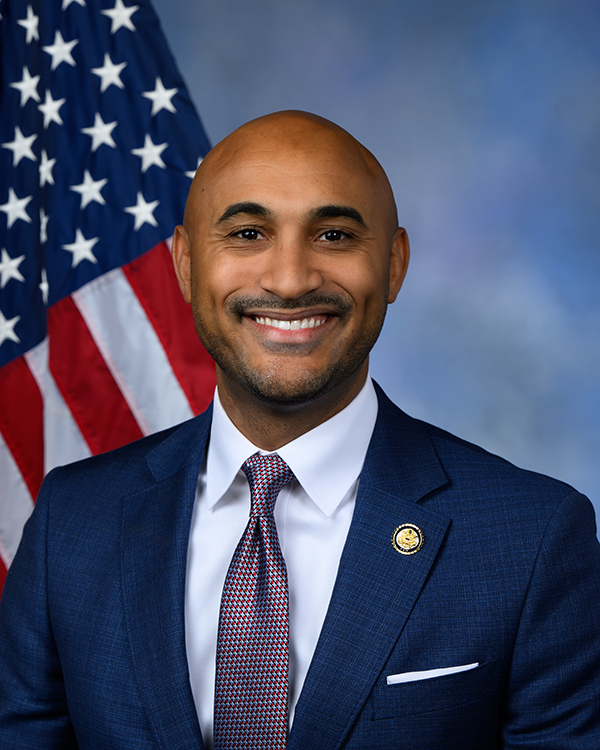
Rep. Shomari Figures
Sponsored bills
Maddy summaryThis bill makes federal funding for the WIC program mandatory by requiring Congress to appropriate necessary funds annually for fiscal year 2026 and each subsequent year. It removes discretionary language from WIC funding requirements and clarifies that eligible participants must be served without participation limits. The bill directly affects low-income pregnant women, new mothers, and young children who rely on WIC for nutrition assistance, ensuring continued access to critical food, health, and education services.
Maddy summaryHRES 795 is a non-binding resolution condemning Hamas for the October 7, 2023, attacks that killed over 1,200 people, took 251 hostages (including Americans), and involved sexual violence. It demands Hamas immediately surrender and release all remaining hostages - specifically noting 48 people still held, including two U.S. citizens. The resolution also affirms Israel’s right to self-defense, calls for humanitarian aid to reach Palestinians, and condemns global antisemitism following the attacks. As a symbolic congressional statement, it does not create new laws or alter policies.
Maddy summaryHR 5705 requires the federal government to reimburse state agencies for funds they use to maintain participation in the WIC program during a government shutdown. It directly affects states that cover WIC costs using their own money when federal funding lapses. The bill establishes a process where states can seek reimbursement from the federal government after the shutdown ends. This ensures states aren’t burdened with costs for a federal funding gap that impacts nutrition assistance for women, infants, and children.
Maddy summaryThis bill adds Medicare coverage for multi-cancer early detection screening tests (blood or biological tests analyzing cell-free DNA) starting January 1, 2028. It directly affects Medicare beneficiaries aged 68 and older (starting in 2028, with the age limit increasing by 1 year annually), requiring tests to be FDA-cleared and deemed reasonable/necessary by the Secretary for early cancer detection across multiple organ sites. Payment will initially match current stool DNA test rates before 2031, then shift to a lower rate or new payment system after 2031, with limits preventing more than one test per year. The bill explicitly states it does not alter coverage for existing cancer screenings like breast, colorectal, or prostate cancer tests.
Maddy summaryHR 5660, the Pay Our Military Act, ensures military personnel and support staff receive pay during a government funding gap in fiscal year 2026. It appropriates funds from the Treasury to cover pay and allowances for active-duty troops, reservists, Department of Defense civilian employees, and contractors supporting military operations, if Congress hasn’t passed regular funding by then. The funding remains available until either regular appropriations are enacted or January 1, 2027, whichever comes first. This is a temporary measure to prevent disruptions in military pay during budget negotiations.
Maddy summaryHRES 764 is a symbolic House resolution recognizing persistent disparities in mental health access and treatment for Black youth. It cites alarming statistics, including a 149% rise in suicide rates among Black adolescents (2007-2023) and higher rates of suicide attempts among Black high school students. The resolution calls on the current administration to continue previous efforts addressing these disparities, incorporate recommendations from the Congressional Black Caucus’s "Ring the Alarm" report, and protect the Substance Abuse and Mental Health Services Administration (SAMHSA) as an independent agency. It does not create new laws or allocate funds but serves as a formal acknowledgment of the crisis and a request for policy continuity.
Maddy summaryThis resolution condemns the use of federal regulatory agencies (like the FCC) or lawsuits to suppress lawful speech critical of political parties or the President, specifically referencing concerns about tactics mirroring authoritarian practices. It does not create new laws but formally warns that such actions undermine First Amendment protections and democratic norms. The resolution directly affects media organizations, journalists, and public discourse by calling on government agencies to avoid using their power for political retaliation. It reaffirms the House’s commitment to protecting free expression and urges officials to refrain from pressuring media to silence criticism.
Maddy summaryHR 5529, the Fair Housing for Disabled Veterans Act, changes how veteran disability payments are treated when determining eligibility for low-income housing programs. Specifically, it amends the tax code to exclude disability compensation or pension payments (under 38 U.S.C. chapters 11 or 15) from income calculations for low-income housing tax credits and residential rental project bonds. This means disabled veterans applying for these housing assistance programs will not have their disability benefits counted as income, potentially making them eligible for more housing options they otherwise might have been disqualified from. The bill directly affects disabled veterans seeking affordable housing through these federally supported programs.
Maddy summaryThis bill requires health plans and insurers to create a clear, timely process for patients or doctors to request exceptions when step therapy protocols (which force patients to try cheaper drugs first) might harm them. It mandates approval for exceptions in six specific cases, such as when prior treatments failed, delaying care risks severe harm, or the required drug causes adverse reactions. Plans must respond within 72 hours (24 hours for emergencies) and cover the requested drug for at least one year if approved. Additionally, health plans must report annual data on exception requests, approvals, denials, and reasons to the government for transparency.