This bill designates the facility of the United States Postal Service located at 819 West Washington Boulevard in Los Angeles, California, as the "Jerry T. Hodges Jr. Post Office Building".
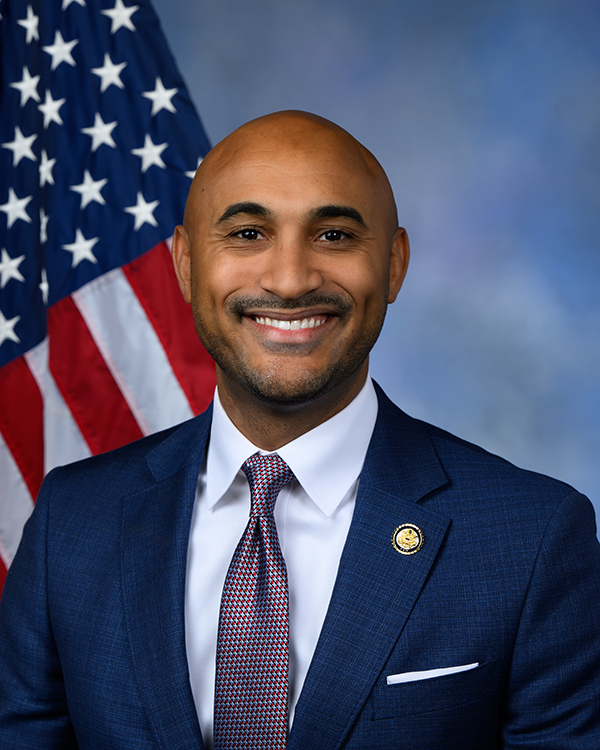
Rep. Shomari Figures
Sponsored bills
Love Lives On Act of 2025 This bill extends entitlement for various benefit programs and services for surviving spouses of deceased members of the Armed Forces or veterans. The bill provides that the remarriage of a surviving spouse must not bar the furnishing of dependency and indemnity compensation or special pension benefits to such spouse. Additionally, the Department of Defense may not terminate the payment of an annuity for a surviving spouse under the Survivor Benefit Plan solely because the surviving spouse remarries. The bill also expands the definition of a dependent under TRICARE to include a remarried widow or widower whose subsequent marriage has ended due to death, divorce, or annulment.
Maddy summaryThis bill authorizes federal grants to establish a national education protection and advocacy program that supports organizations enforcing the rights of students with disabilities under key federal laws. The program would provide funding to existing protection and advocacy systems to monitor educational settings, advocate for safe conditions, and pursue legal remedies for violations of student rights. Grants would be distributed based on state populations with minimum amounts guaranteed for each state and territory, and recipients would not be required to provide matching funds. The legislation requires systems receiving funds to submit annual reports and use the grants to supplement rather than replace existing services.
Maddy summaryThe Kira Johnson Act establishes a federal grant program to support community-based organizations in improving maternal health outcomes for populations facing higher rates of maternal mortality and health disparities. It allocates $100 million annually from 2027 to 2031 for grants that fund programs addressing social determinants of health, culturally congruent care, and support for midwifery practices. The bill also creates a separate $5 million annual funding stream for training all maternity care employees on bias reduction, trauma-informed care, and respectful service delivery. Additionally, the legislation requires hospitals and health systems to establish compliance programs that allow patients to report bias and mandates regular public reporting on these efforts. A study by the National Academies and ongoing evaluation by the GAO will assess the effectiveness of these initiatives in improving patient experiences and health outcomes for pregnant and postpartum individuals from racial and ethnic minority groups.

Maddy summaryThe Data to Save Moms Act aims to improve maternal health outcomes by increasing funding and support for maternal mortality review committees across the United States. The bill provides $10 million annually from 2027 to 2031 to help these committees recruit more diverse community members, including people with personal experiences of maternal mortality or severe health complications, and to address barriers like transportation and compensation that prevent participation. It also requires committees to conduct outreach to racial and ethnic minority communities and publicly report on their review processes and diversity efforts. Additionally, the legislation directs the Health and Human Services Secretary to study maternal health data collection methods, conduct a specific study on American Indian and Alaska Native maternal health outcomes, and award grants to minority-serving institutions for research on maternal mortality disparities.
Maddy summaryThe Perinatal Workforce Act directs the Department of Health and Human Services to issue guidance encouraging hospitals, insurers, and maternity care providers to recruit and retain diverse healthcare professionals, including midwives, physician assistants, and perinatal health workers, while incorporating implicit bias and racism training into their practices. The bill authorizes $15 million annually from 2027 to 2031 for grants that establish or expand accredited education programs for perinatal health professionals, prioritizing schools that recruit students from racial and ethnic minority groups and those planning to practice in areas with maternal health disparities. Additionally, the legislation creates a separate grant program for nursing schools to provide scholarships to students pursuing careers in maternal and perinatal health, with similar diversity and training requirements. The act also requires the Secretary of HHS to conduct a study on respectful maternity care practices and mandates periodic reports from the Government Accountability Office on barriers to maternal health education and access to care.
Maddy summaryThis bill amends the 1965 Public Works and Economic Development Act to expand how federal grants can be used. It adds two specific purposes: (1) facilitating the relocation of jobs from outside the U.S. to American workers, and (2) supporting growth in the manufacturing sector. Grants for public works, economic development planning, training, and economic adjustment must now include these new objectives. The changes apply to state and local governments receiving these federal funds, directing them to prioritize domestic job relocations and manufacturing expansion. The bill modifies existing grant program rules but does not create new funding.
Maddy summaryThis bill establishes new safety and medical requirements for "unified boxing organizations" (UBOs), which are boxing groups that manage title belts and rankings without separate sanctioning bodies. It directly affects UBOs and boxers under their contracts by mandating comprehensive medical screenings (including annual physicals, brain MRIs, and pregnancy tests for female boxers), requiring two ambulances and three physicians at ringside during matches, and providing boxers with mandatory health insurance covering $25,000 in injury costs. Key provisions include strict anti-doping testing protocols (with no cost to boxers), prohibitions on boxers betting on matches, and UBOs covering all medical expenses. The bill also requires UBOs to register publicly with the Federal Trade Commission and adhere to updated industry standards for boxer compensation and safety.
Maddy summaryThis bill establishes safety and security standards for online platforms and delivery services that accept Supplemental Nutrition Assistance Program benefits. It requires the Food and Nutrition Service to create rules for digital privacy, cybersecurity, fair working conditions including prevailing wages, and food safety for stores and wholesalers participating in the program. Retailers must report their compliance with these standards within 18 months of the rules being finalized, and noncompliance could result in losing authorization to accept SNAP benefits. The legislation aims to protect users and workers while ensuring food safety in the growing digital food assistance landscape.
Extending WIC for New Moms Act This bill amends the Special Supplemental Nutrition Program for Women, Infants, and Children (WIC) to extend the eligibility periods for breastfeeding and postpartum women. Specifically, a state program may elect to certify a breastfeeding woman for up to 24 months (currently 1 year) postpartum. The bill also expands the eligibility period for postpartum women to up to 24 months after termination of pregnancy (currently 6 months). The Department of Agriculture must submit a report to Congress evaluating the effect of these changes to the program on (1) maternal and infant health outcomes, (2) breastfeeding rates, and (3) qualitative evaluations of family experiences under WIC.