

Maddy summaryThis Senate Resolution urges state agencies in Hawaii that monitor environmental toxins to establish and modify safety limits, known as environmental action levels, with greater transparency and scientific rigor. It requires agencies to base any changes on current scientific evidence and mandates a public process that includes at least thirty days for comment and public hearings before adjustments are made. The bill also allows residents to petition for changes to these limits and demands that agencies provide clear scientific justifications for their decisions to ensure public safety.
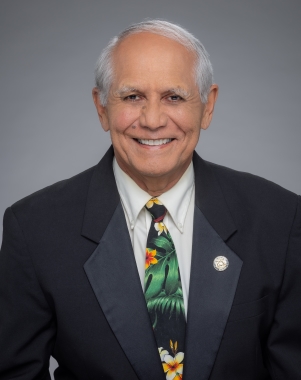
Sen. Mike Gabbard
Sponsored bills
Maddy summaryThis Senate resolution asks the Hawaii Department of Health to create a grant program with the University of Hawaii to help local residents and businesses pay for tests that detect PFAS, often called "forever chemicals," in water and biological samples. The bill directs state officials to seek federal funding from Congress to support this initiative and to develop the program based on current scientific evidence regarding food safety and environmental protection. Additionally, the resolution requires the Department of Health to establish rules ensuring that the distribution of these grants is fair, transparent, and follows applicable laws.
Maddy summaryThis Senate resolution urges the Hawaii Department of Agriculture to support efforts to improve its Aquaculture Development Program strategic plan. The bill specifically asks the department to adopt recommendations from a February 2024 report by Hatch Innovation Services, which was commissioned to help grow the state's aquaculture industry. As a Senate resolution, this document serves as a formal request rather than a law that directly changes regulations or mandates specific actions.
Maddy summaryThis Senate resolution urges the State of Hawaii and its agencies to transition toward a plant-based lifestyle that prioritizes fruits, vegetables, and sustainable building materials. The measure highlights the potential benefits of this shift for human health, animal welfare, and the environment, citing support from major medical organizations and studies on climate change. It specifically encourages practices that align with traditional Hawaiian values, such as protecting the land and restoring local food systems. The resolution is non-binding and does not create new laws, but instead formally requests that copies be sent to state officials and county mayors to raise awareness of the issue.
Maddy summaryThis Senate Resolution asks the state's Department of Health and Chief Energy Officer to study how to use advanced technology for continuous air quality monitoring at waste incineration facilities and landfills. The bill highlights that current monitoring methods are often outdated or infrequent, potentially missing significant pollution events that affect public health. It specifically calls for a feasibility study to determine if modern systems can provide more accurate and real-time data on harmful emissions that are currently under-monitored. The resolution does not mandate immediate changes but seeks to gather information on the practicality of upgrading monitoring capabilities across the state.
Maddy summaryThis Senate Concurrent Resolution urges the Hawaii Department of Agriculture to support improving its Aquaculture Development Program strategic plan. The bill specifically asks the department to adopt recommendations from a February 2024 report by Hatch Innovation Services, which aims to help the state attract more investors and grow its aquaculture industry. While the resolution highlights the state's natural advantages for farming seafood, it does not create new laws or change existing regulations. Instead, it serves as a formal request to state officials to review and enhance their current strategy for sustainable food production.
Maddy summaryThis Senate resolution urges the Hawaii Legislature to take action to preserve, protect, and restore limu kala, a type of seaweed designated as the state's official limu. The measure highlights that limu kala populations have declined due to climate change, development, and runoff, while noting that healthy populations support food security and biodiversity. By calling for legislative attention to this issue, the resolution aims to encourage policies that safeguard nearshore ecosystems and reefs. It does not create new laws but serves as a formal expression of support for future conservation efforts.
Maddy summaryThis Senate Concurrent Resolution encourages developers in Hawaii to adopt net zero water strategies when building or renovating housing projects. The bill defines these strategies as methods that minimize water use, create alternative water sources, and treat wastewater on-site to return it to natural supplies like aquifers. By promoting these practices, the resolution aims to protect Hawaii's limited fresh water resources from pollution and depletion. The measure is non-binding and serves as a recommendation rather than a mandatory law, directing copies to state housing officials and the Governor.
Maddy summaryThis Senate resolution urges the Hawaii Housing Finance and Development Corporation to update its rules for allocating affordable housing funds. It asks the agency to prioritize projects that are built on state or county land, have permanent affordability requirements, or are owned by organizations that must reinvest any profits into new housing. Additionally, the bill encourages developers to repay their low-interest loans early or choose shorter repayment terms to free up capital for future construction. The measure does not change existing laws but instead formally requests the agency to adjust its administrative guidelines to favor these specific types of developments.
Maddy summaryThis Senate Resolution asks the Department of the Attorney General to study how well current Hawaii laws protect local food producers from false labeling claims. The study will examine specific statutes regarding unfair competition, product labeling, and false advertising to see if they effectively stop non-Hawaii goods from being marketed as locally made. The Attorney General is required to review the legal costs and processes involved in these cases and submit a report with findings and recommendations to the Legislature by early 2025. This measure does not change any laws immediately but instead initiates an official review to determine if new legislation is needed to better safeguard Hawaii-made food brands.