

Maddy summaryThis Senate resolution urges the Hawaii Department of Health to investigate and create policies that reduce the importation of products containing PFAS, also known as "forever chemicals." The bill directly affects the state's health agency and aims to limit the entry of items like packaging and materials that carry these persistent toxic substances. It highlights concerns that PFAS can contaminate water and harm human health, noting that while federal rules address drinking water levels, there are no current mandates to stop their use in everyday goods. By requesting an investigation, the resolution seeks to establish state-level measures to prevent these chemicals from entering the local environment and food chain.
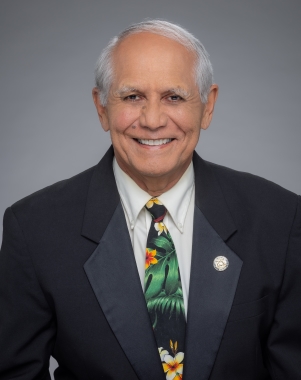
Sen. Mike Gabbard
Sponsored bills
Maddy summaryThis Senate Resolution asks the Director of Finance to officially define "beneficial effects to the State" in state investment laws to include financing for housing. The bill proposes that banks and financial institutions should be viewed as having a positive impact on Hawaii if they provide loans with favorable terms to housing developers. By clarifying this definition in administrative rules, the state aims to encourage more public funds to be invested in entities that can help lower development costs and increase affordable housing. The resolution directly affects the Director of Finance, who is urged to create these new guidelines, and financial depositories that might benefit from such a policy shift.
Maddy summaryThis Senate Concurrent Resolution asks the Office of the Administrative Director of the Courts to gather and share data on fees, court costs, fines, and restitution imposed on minors in Hawaii. The requested information includes total amounts assessed and collected over the past five years, as well as a detailed list of specific charges available in different court districts. The goal is to provide the Legislature with a clear picture of how these financial penalties are currently applied to young people before the 2025 session. Ultimately, the bill seeks to inform future policy decisions regarding financial consequences for youth involved in the justice system.
Maddy summaryThis Senate Resolution urges the Hawaii Community Development Authority to create a multiagency working group to update state land inventories for affordable housing development. The group will review existing maps and data to identify urban lands suitable for new housing, focusing on redeveloping underutilized state properties and aiming to accommodate one hundred thousand new units. Membership includes representatives from various state agencies and county mayors, with the group tasked to submit findings and legislative recommendations to the Legislature by early 2025.
Maddy summaryThis legislative resolution urges the Hawaii Housing Finance and Development Corporation to change how it prioritizes funding for affordable housing projects. It asks the agency to give preference to developments that are built on public land, have a permanent commitment to keeping rents low, or are owned by groups that must reinvest any profits into building more housing. Additionally, the bill encourages the agency to favor developers who repay their loans early or choose shorter repayment terms to free up capital for future projects. By making these changes, the resolution aims to ensure that taxpayer money supports long-term affordability and creates a cycle of continuous housing development rather than short-term gains for private owners.
Maddy summaryThis Senate resolution asks the Governor to create a working group to develop a plan for cleaning up PFAS, also known as "forever chemicals," which are toxic pollutants found in soil and water across Hawaii. The proposed group would include leaders from state and local health and environmental agencies, representatives from all four counties, business owners, and environmental advocates. Its primary task is to coordinate efforts to address the contamination and its potential health impacts on residents and ecosystems.
Maddy summaryThis Senate resolution asks businesses in Hawaii to include the Hawaiian language in their daily operations, such as on signs and in customer communications. It also requests that the Department of Education create permanent positions for Hawaiian language teachers and develop training programs to help employees learn the language. Because this is a non-binding request rather than a law, it does not mandate compliance or impose penalties but serves as a formal appeal to support cultural preservation.
Maddy summaryThis Senate resolution urges the Hawaii Housing Finance and Development Corporation to create a new administrative process for housing projects exclusively reserved for moderate-income households. The bill seeks to utilize existing state laws that currently allow certain housing developments to receive exemptions from standard zoning and construction rules. It specifically requests that this new pathway be established alongside, rather than replacing, the current requirement that half of a project's units be available to buyers earning up to 140% of the area median income.
Maddy summaryThis Senate resolution urges the University of Hawaii Leeward Community College to create an online bachelor's degree program in education to help working adults become teachers across all counties. The bill requests that funds be moved within the community college system to support this new program and address teacher shortages in rural areas. It also asks various educational leaders to collaborate on promoting access to quality education and helping current substitute or emergency teachers enter the profession. Because this is a non-binding resolution rather than a law, it does not force any specific actions but serves as a formal recommendation to the university and other stakeholders.
Maddy summaryThis Senate resolution asks the Hawaii Professional Chapter of the Society of Professional Journalists to create a system for the public to check if news sources follow ethical and objective reporting standards. The bill aims to help people distinguish reliable news from misinformation in an era where social media and artificial intelligence make it harder to verify information. It does not create new laws or penalties but serves as a formal request for the journalism organization to develop a voluntary evaluation process. The resolution is directed solely at the professional journalism chapter and does not impose requirements on news outlets or individuals.