

Maddy summaryHB 2114 creates the Hawaii Benefits Hub within the state's Office of Enterprise Technology Services to centralize access to human services. It requires the Chief Information Officer to develop and implement a single statewide portal for residents to apply for government benefits, replacing current fragmented systems. The bill appropriates funding for this portal's development and operation, effective July 1, 2030. This directly affects Hawaii residents seeking services like food assistance, healthcare, or housing support by simplifying their application process.
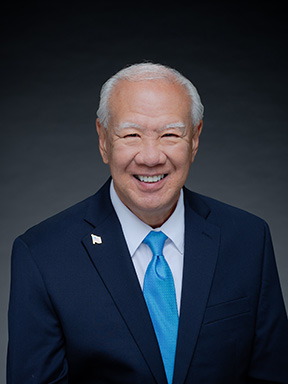
Rep. Gregg Takayama
Sponsored bills
Clarifies that the five‑year statute of limitations for criminal prosecutions of campaign finance violations begins upon discovery of the offense by the Campaign Spending Commission. Effective 3/22/2075. (SD1)
Establishes, for a county with a population greater than three hundred thousand, enforcement procedures to prevent people or personal property from blocking or otherwise impeding ingress or egress to private doorways and entranceways. Effective 7/1/3000. (SD1)
Maddy summaryHB 2121 prohibits the sale, offer for sale, or distribution of disposable electronic smoking devices (e-cigarettes) within the state starting January 1, 2027. This law directly affects retailers and businesses selling these products, banning their commercial distribution. The bill takes effect on July 1, 2030 (correcting the abstract's "3000" typo), with the sale ban beginning in 2027. It aims to reduce single-use e-cigarette waste and associated environmental impacts under waste management regulations.
Establishes the Green Fee Transparency and Accountability Program and Green Fee Resiliency Impact Dashboard, to be administered by the Hawaii Climate Change Mitigation and Adaptation Commission. Appropriates funds. Effective 7/1/3000. (SD1)
Appropriates funds to the University of Hawaii to conduct a study on effective treatment methods to reduce populations of the Queensland Longhorn Beetle. Effective 7/31/2055. (SD1)
Maddy summaryThis bill is a House Resolution that asks county planning departments in Hawaii to create building permit requirements focused on accessibility for older adults, known as kupuna. It would require private businesses and shopping centers to offer special hours for kupuna to enter their premises and increase the number of parking spaces designated for both disabled and non-disabled older adults. The resolution does not mandate these changes directly but formally requests counties to consider them when updating their planning regulations. The measure aims to improve community access for an aging population by addressing parking availability and business operating hours.
Maddy summaryThis bill requests that each county's planning department create building permit requirements to make parking and business hours more accessible for older adults, known as kupuna. It would require private businesses and shopping malls to set aside special hours when kupuna can enter more easily and increase the number of designated parking spaces for both disabled and non-disabled older adults. The resolution is a non-binding request to county officials rather than a law that mandates immediate changes, so it does not directly affect businesses or residents on its own. Its purpose is to encourage local governments to consider the needs of Hawaii's aging population when updating building codes and parking standards.
Maddy summaryThis House Resolution requests the Hawaii Department of Education to create a standardized swimmer classification system for public schools to improve water safety education. The bill directs the department to adopt a framework developed by Leahi Swim School and Na Kama Kai, which defines three proficiency levels: Swimmer, Water Safe Individual, and Water Smart Individual. Each level includes specific criteria such as swimming distances, treading water duration, stroke proficiency, and knowledge of ocean safety and environmental responsibility. The resolution aims to ensure consistent water-safety benchmarks across schools for physical education, athletics, and enrichment programs.
Maddy summaryThis bill urges the Hawaii Department of Education to officially recognize competitive cheerleading as a Title IX sport, which would grant high school cheer athletes the same resources and protections as other varsity sports. The resolution requests that the state education department develop guidelines and safety standards in collaboration with the Hawaii High School Athletic Association to meet federal criteria for classifying cheerleading as a sport. By doing so, the bill aims to ensure equitable access to certified coaching, athletic training, facilities, and transportation for female cheerleaders while promoting gender equity in school athletics. This is a non-binding resolution that calls for administrative action rather than creating new laws.