

Prohibits the distribution, sale, or use of single-use plastic food ware containing plastic with regulated perfluoroalkyl and polyfluoroalkyl substances by businesses beginning on 1/1/2028. Effective 7/1/3000. (HD2)
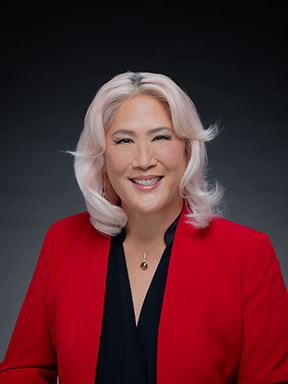
Rep. Kim Coco Iwamoto
Sponsored bills
Requires hourly rate or salary ranges to be disclosed on job listings for full-time, part-time, temporary, or seasonal employees. Removes the exemption for employers having fewer than fifty employees. Effective 7/1/3000. (HD1)
Maddy summaryHB 146 allocates state funds to the Judiciary to support its 'Ōlelo Hawai'i Initiatives, which aim to integrate the Hawaiian language into court proceedings and services. The bill directly affects the Judiciary by providing resources for language programs, including staff training, translation services, and community outreach. Key provisions involve using the appropriated funds to expand Hawaiian language access in judicial settings, such as court documents and interpreter services. The measure is effective starting July 1, 3000, as specified in the bill's abstract.
Maddy summaryHB 1522 extends the time period to file a discrimination complaint with the Hawaii Civil Rights Commission from the current limit to one year. This change directly affects individuals who experience discrimination in Hawaii, giving them more time to seek redress through the Commission. The bill’s key provision modifies the statute of limitations for filing such complaints, allowing a full year from the alleged discriminatory act to submit a formal complaint. The bill is currently pending before the House Judiciary Committee for further review.
Allows a licensed dental hygienist to place interim therapeutic restorations in public health settings under the general supervision of licensed dentist. 7/1/3000. (HD2)
Maddy summaryHB 2444 increases the state tax credit available to low-income household renters, raising the amount from $50 to $100 for each tax exemption claimed by the taxpayer. This change directly affects renters who qualify as low-income and claim tax exemptions, providing them with greater financial relief through their state tax return. The key provision is the specific dollar amount increase per exemption, making the credit more substantial for eligible households. The bill does not alter eligibility criteria or introduce new administrative requirements.
Maddy summaryHB 2448 criminalizes female genital mutilation (FGM) performed on minors within the state, establishing it as a punishable offense. The bill directly affects minors who are victims of FGM and provides them with civil remedies, including legal options to seek compensation. Key provisions include defining FGM on minors as a criminal act and creating a pathway for victims to pursue civil claims against perpetrators. This legislation focuses on preventing harm to minors and offering legal recourse, without specifying enforcement details or penalties beyond the criminal and civil frameworks.
Beginning 7/1/27, increases the number of required accessible and van-accessible parking spaces in parking facilities with more than twenty-five parking spaces that are covered by title II or III of the Americans with Disabilities Act, with an exception for qualifying public entities managing large parking inventories that are otherwise compliant with Americans with Disabilities Act standards. Effective 7/1/3000. (HD2)
Entitles unaccompanied homeless youth, including runaway youth, with the rights, as provided by the federal McKinney-Vento Homeless Assistance Act of 1987, to immediate enrollment in school, full participation in school activities, and access to comparable school and educational services provided to other students. Establishes a student-centered, safety-first protocol for unaccompanied homeless youth enrolling in or attending school. Permits unaccompanied homeless youth to provisionally enroll in school without providing immunization records. Effective 7/1/3000. (HD3)
Maddy summaryHB 2558 expands telehealth access for state residents by allowing out-of-state medical providers to deliver certain clinical treatments via telehealth. It directly affects residents seeking remote care and out-of-state healthcare providers who can now legally offer these services within the state. The key provision removes current restrictions, enabling licensed providers from other states to conduct specific telehealth consultations and treatments for state residents. This policy change aims to increase healthcare access options without requiring providers to obtain additional state licenses for these services.