

RELATING TO FEMALE GENITAL MUTILATION.
HB 2448 criminalizes female genital mutilation (FGM) performed on minors within the state, establishing it as a punishable offense. The bill directly affects minors who are victims of FGM and provides them with civil remedies, including legal options to seek compensation. Key provisions include defining FGM on minors as a criminal act and creating a pathway for victims to pursue civil claims against perpetrators. This legislation focuses on preventing harm to minors and offering legal recourse, without specifying enforcement details or penalties beyond the criminal and civil frameworks.
Bill status
passed
3 of 5 stages cleared
Introduction
Jan 2026
Committee Review
Mar 2026
House Passage
Mar 2026
Senate Passage
Governor
Introduced Jan 27, 2026
Last action Mar 12, 2026
Maddy AI version diff · 1 comparison
What changed between versions
HB2448
→
HB2448_HD1
·
4 edits
MODERATE
This bill was updated to reflect its first reading in the House of Representatives (HD1) and includes significant substantive changes to the law regarding female genital mutilation. The most critical change is the reduction of the criminal penalty from a Class B felony to a Class C felony. Additionally, the bill was amended to clarify that civil remedies apply to victims of acts punishable under the new offense, and the statute of limitations for prosecution was explicitly tied to the victim reaching age eighteen or the first report to law enforcement.
Scope change
The bill's scope was expanded by clarifying that civil remedies are available for victims of acts punishable under the new offense, rather than just the act itself. The scope of criminal liability was reduced by lowering the severity of the felony charge.
ENFORCEMENT
The criminal penalty for prohibited acts of female genital mutilation of a minor was reduced from a Class B felony to a Class C felony.
TIMELINE
The statute of limitations for prosecution was clarified to begin running only when the victim turns eighteen or when the violation is first reported to law enforcement, whichever happens first.
ELIGIBILITY
The civil action section was updated to specify that victims can sue for damages regarding acts punishable under the new offense, ensuring clarity on who is eligible for civil remedies.
TECHNICAL
The bill text was updated to reflect its status as House Bill 2448, HD1, and the effective date was set to July 1, 3000.
Floor votes
How they voted
This bill passed the House by voice vote (no roll call recorded).
Full legislative history
Actions timeline
Total actions
11
Key actions
2
Committee
3
Mar 12, 2026
Committee
Referred to HHS, JDC.
upper
Mar 12, 2026
Introduced
Received from House (Hse. Com. No. 422).
upper
Mar 10, 2026
Lower · Passed
Passed Third Reading with none voting aye with reservations; Representative(s) Alcos, Garcia, Pierick, Shimizu voting no (4) and none excused (0). Transmitted to Senate.
lower
Feb 10, 2026
Lower · Passed
The committee on JHA recommend that the measure be PASSED, WITH AMENDMENTS. The votes were as follows: 9 Ayes: Representative(s) Tarnas, Poepoe, Belatti, Cochran, Hashem, Kahaloa, Sayama, Takayama, Shimizu; Ayes with reservations: none; 1 Noes: Representative(s) Garcia; and Excused: none.
lower
Feb 2, 2026
Committee
Referred to JHA, referral sheet 6
lower
Jan 28, 2026
Introduced
Introduced and Pass First Reading.
lower
Jan 27, 2026
Introduced
Pending introduction.
lower
26 primary · 0 co-sponsors
Sponsors
Role
Legislator
Party
State
District
P
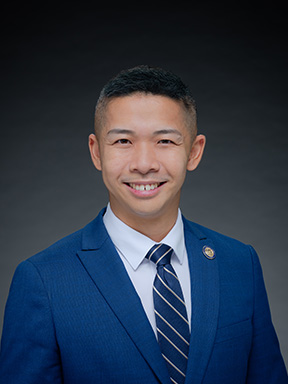
Adrian Tam
DDemocratic
P
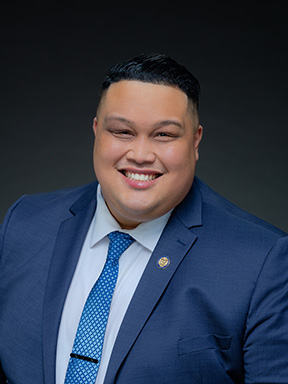
Darius Kila
DDemocratic
P
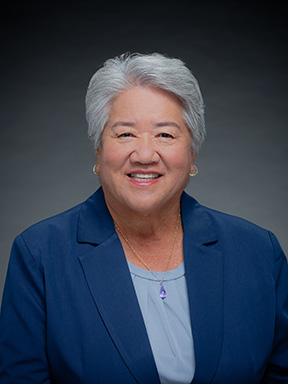
Dee Morikawa
DDemocratic
P
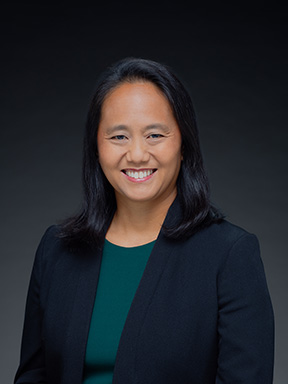
Della Belatti
DDemocratic
P
Elle Cochran
RRepublican
P
Gregg Takayama
DDemocratic
P
Greggor Ilagan
DDemocratic
P
Ikaika Olds
DDemocratic
P

Jackson Sayama
DDemocratic
P
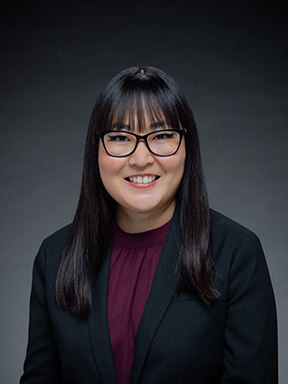
Jenna Takenouchi
DDemocratic
P
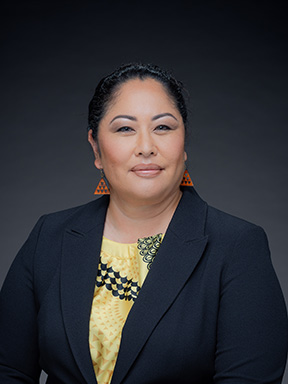
Julie Reyes Oda
RRepublican
P
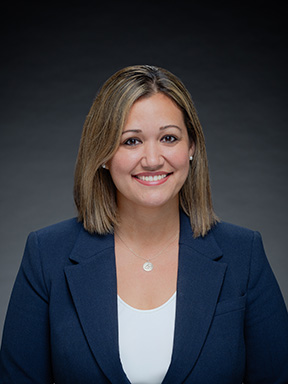
Kanani Souza
RRepublican
P
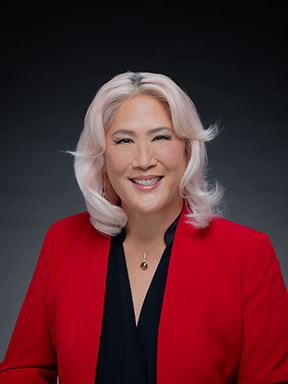
Kim Coco Iwamoto
DDemocratic
P
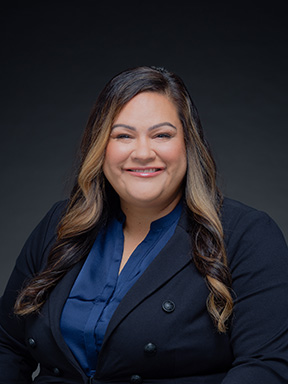
Kirstin Kahaloa
DDemocratic
P
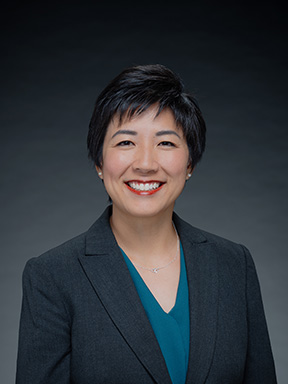
Linda Ichiyama
DDemocratic
P
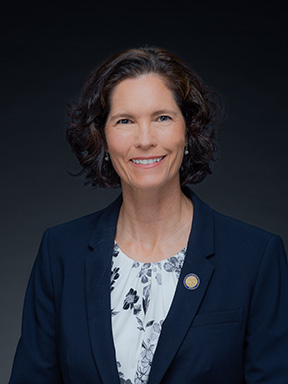
Lisa Marten
DDemocratic
P
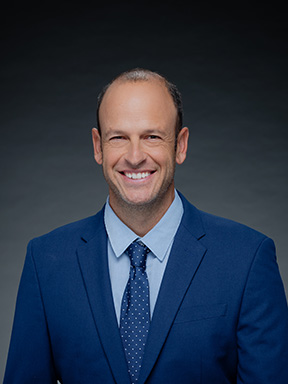
Luke Evslin
DDemocratic
P
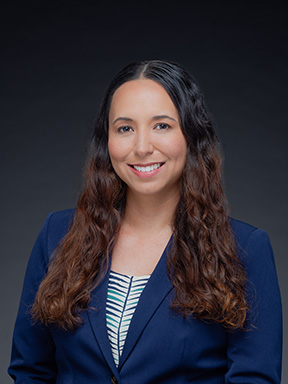
Mahina Poepoe
DDemocratic
P
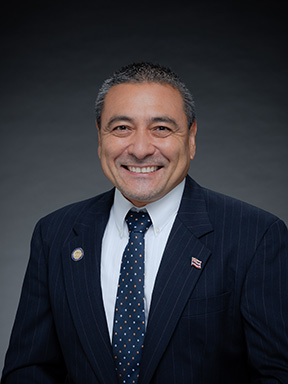
Mark Hashem
DDemocratic
P
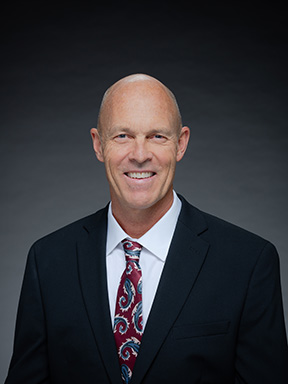
Matthias Kusch
DDemocratic
P
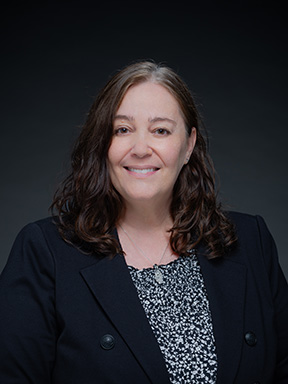
Nicole Lowen
DDemocratic
P
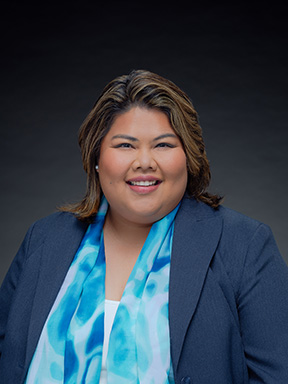
Shirley Templo
DDemocratic
P
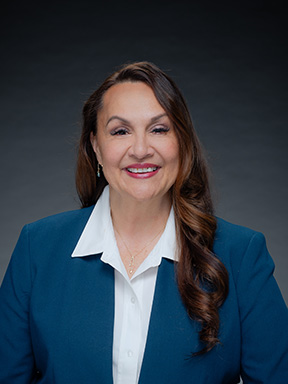
Sue Lee Loy
DDemocratic
P

Terez Amato
DDemocratic
P
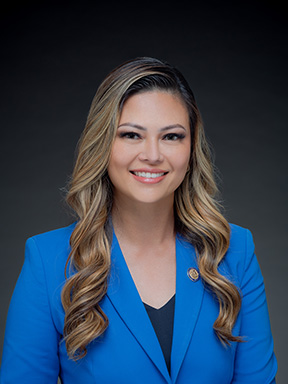
Trish La Chica
DDemocratic
P
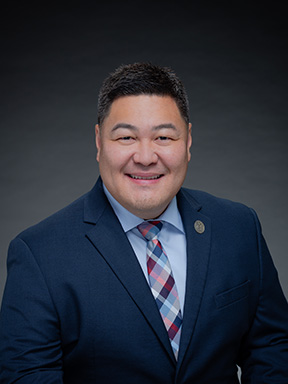
Tyson Miyake
DDemocratic
Ask Maddy
·
AI policy assistant
Ask Maddy about HB 2448
Scope: HI
Hi! I can help you understand HB 2448. What would you like to know?
Try one of these
i
Maddy answers using official bill text and legislative records. Always verify before sharing.
Sources cited inline