

Maddy summaryHouse Resolution 80 requests the Hawaii Department of Education to establish an Aloha Civics Working Group focused on enhancing civics education in public schools. The working group will assess current civics programs, develop recommendations for integrating the "Aloha Spirit" (Hawaii's cultural principles of kindness, unity, and empathy) into the curriculum, and propose teacher training and evaluation metrics. The group must submit a report to the Legislature and Department of Education by 2026. This resolution directly affects Hawaii's public school system and educators through its recommendations for curriculum changes.
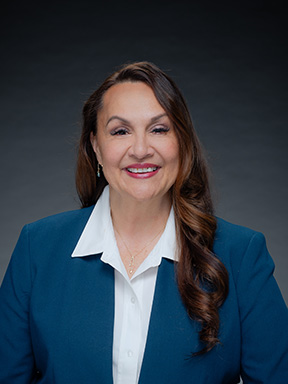
Rep. Sue Lee Loy
Sponsored bills
Maddy summaryThis House Resolution (HR 108) is a non-binding urging to the Honolulu City Council to adopt a "pedestrian first" policy via ordinance. It cites that high-risk pedestrian areas (just 2% of streets) account for 60% of fatalities and 42% of injuries in Honolulu, and references the City's 2022 Oahu Pedestrian Plan. The resolution does not create new law but encourages the City Council to prioritize pedestrians in street design decisions, emphasizing safe connections to transit, schools, and commercial areas.
Maddy summaryHCR 111 is a resolution urging Hawaii's Department of Education (DOE) to provide a detailed report to the Legislature on the true costs of producing school meals. It requires the DOE to break down costs (including ingredients, operations, beverages, supplies, and logistics) and include meal count data by price tier (full-price, reduced-price, free) for the 2024-2025 through 2026-2027 school years. The resolution aims to ensure transparency around proposed meal price increases (e.g., from $2.50 to $4.75 for K-8) and prevent unnecessary hikes by verifying cost claims against existing law requiring meal revenue to cover at least half of production costs. The report must be submitted to the Legislature by January 2026.
Maddy summaryThis resolution requests Hawaii's Department of Education to post online updates about changes to gun safety and storage laws on its public website. It aims to provide students with current information on secure firearm storage requirements, without creating new legal obligations. The resolution does not alter existing laws but asks the education department to share existing legal updates with students. It is a procedural request, not a binding legislative measure.
Maddy summaryThis House Resolution (HR 134) urges Hawaii's Sister-State Committee to evaluate and develop recommendations for establishing a formal sister-state relationship between Hawaii and New Zealand. It focuses on strengthening cooperation in economic development, arts/cultural exchange, education, and environmental sustainability, building on shared Polynesian heritage and mutual commitments to indigenous cultures and sustainability. The resolution does not create new laws but requests the committee assess potential collaboration areas and advises the Governor to implement the relationship if recommended. It directly affects Hawaii's state agencies and the Sister-State Committee, encouraging future partnerships with New Zealand.
Maddy summaryHR 30 is a House Resolution requesting the University of Hawaii to explore establishing an Alzheimer's Disease Research Center and identify requirements for securing federal funding from the National Institute on Aging. The resolution directs the university to assess its current research capabilities, evaluate potential benefits, and outline steps to meet federal grant criteria, with a report due by December 31, 2025. This procedural request does not create a new program but seeks feasibility analysis for potential future research infrastructure.
Maddy summaryThis concurrent resolution urges the University of Hawaii (UH) to create a program specifically addressing housing instability among students, directly affecting UH students facing homelessness or housing insecurity (as noted in a 2020 Hope Center study showing 14% experienced homelessness). It requests UH use findings from its current 2025 survey on student basic needs insecurity to develop this program, strengthen mental health services, and improve awareness of available resources. The resolution is non-binding and serves as a formal request to UH leadership, not a legislative mandate.
Maddy summaryHCR 31 is a concurrent resolution requesting the University of Hawaii to assess the feasibility of establishing an Alzheimer’s Disease Research Center. It directs the university to evaluate its current research capabilities, potential benefits for Hawaii, and the specific requirements to secure federal funding from the National Institute on Aging. The resolution requires the university to develop a phased plan, including infrastructure needs and community engagement, and submit a report by December 31, 2025. This resolution does not create the center but asks the university to explore steps toward one, directly affecting the University of Hawaii System and its research planning.
Maddy summaryHR 93 is a non-binding House Resolution urging the University of Hawaii (UH) to create a "Homeless Student Stability and Housing Resource Program" to address housing insecurity among students. It cites a 2020 study showing 44% of UH students experienced housing insecurity (including 14% who were homeless), with only 15% receiving emergency aid due to lack of awareness. The resolution requests UH use its ongoing 2025 Basic Needs Committee survey to develop a plan improving housing access, mental health services (noting UH's current 1:4,010 mental health staff-to-student ratio), and resource awareness. This resolution does not create new law but formally asks UH to act based on documented student needs.
Maddy summaryHCR 140 is a resolution urging Hawaii's Sister-State Committee to evaluate establishing a formal sister-state relationship with New Zealand. It focuses on strengthening ties in economic development, arts/cultural exchange, education, and environmental sustainability, highlighting shared Polynesian heritage and regional cooperation goals. The resolution does not create new law but recommends the committee develop steps for potential collaboration. It emphasizes mutual interests in areas like renewable energy, marine conservation, and cultural programs between the two regions.