

Maddy summaryHR 7696 establishes a federal grant program to fund secure AI testbeds for simulating large-scale cyberattacks on critical infrastructure like power grids. The bill directs DHS and CISA to award grants from 2026-2030 to eligible entities - including universities, community colleges, Hispanic-serving institutions, national labs, and their consortia - to develop safe AI systems for grid cybersecurity training. It authorizes $100 million in funding over five years and requires annual reports to Congress on emerging threats and progress. This directly affects institutions and labs conducting AI research for grid security, creating a structured federal initiative to strengthen cyber defenses through practical testing.
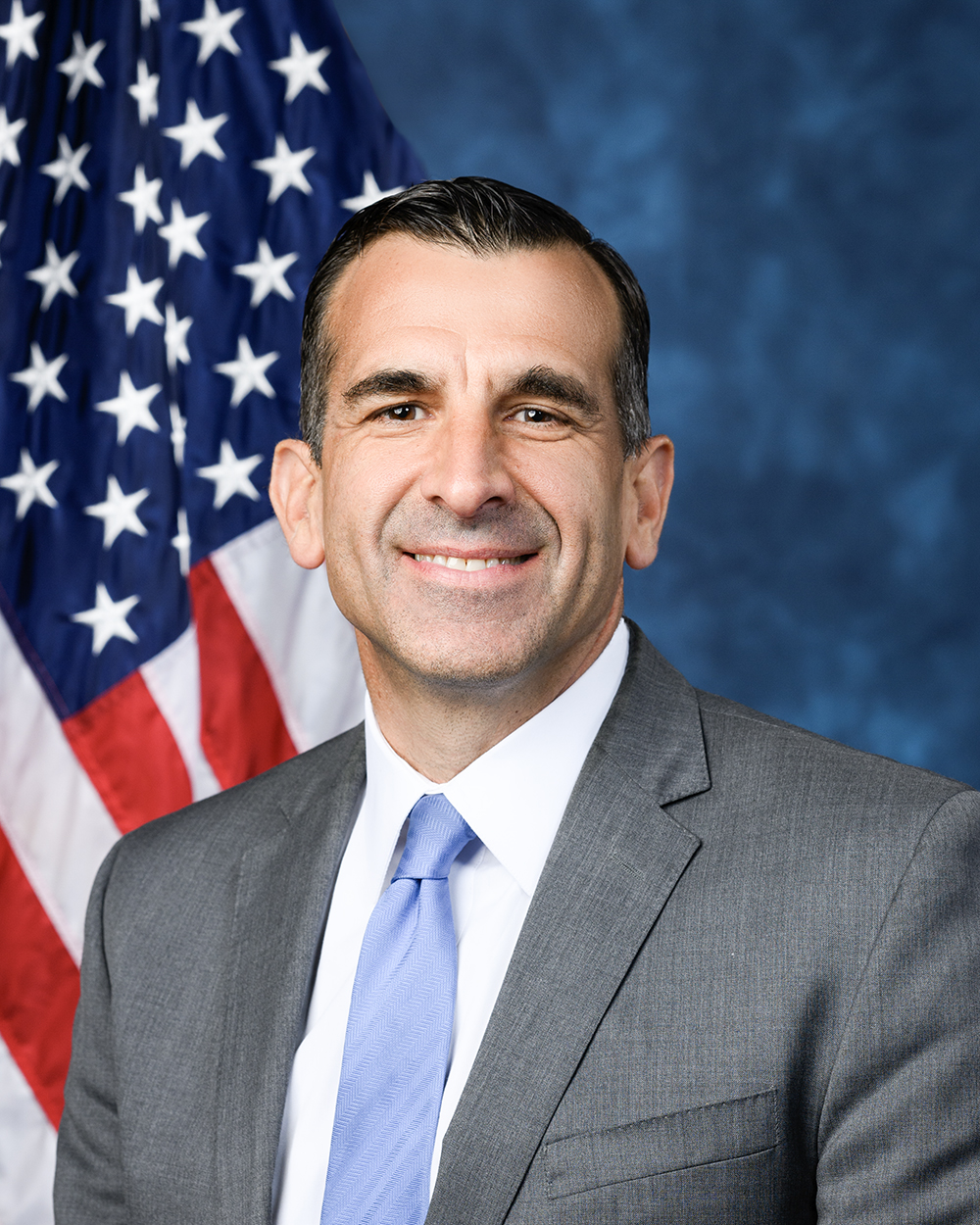
Rep. Sam T. Liccardo
Sponsored bills
Maddy summaryThis bill directs the U.S. Secretary of State to create an international strategy focused on using artificial intelligence to upgrade and secure electrical grids around the world. It requires the development of partnerships with allied nations, academic institutions, and private companies to research and deploy AI tools that can predict grid failures, detect cyber threats, and integrate renewable energy sources. The legislation authorizes funding for pilot projects, workforce training, and technical assistance to help vulnerable regions modernize their power infrastructure while ensuring compliance with U.S. export control laws. Additionally, the bill mandates that the Secretary of State submit regular reports to Congress detailing the progress of these international cooperation efforts and the measurable improvements made to grid resilience.
Maddy summaryThe Ceasefire Compliance Act of 2026 establishes requirements for Israel to comply with the October 10, 2025, ceasefire agreement, including allowing sufficient humanitarian aid into Gaza, halting military operations in Gaza, preventing settler violence, and supporting Palestinian governance. The bill requires the US government to submit quarterly reports certifying Israel's compliance with these conditions, with potential restrictions on US defense sales to Israel if violations occur. If Israel fails to meet the requirements, the US would prohibit the sale, export, or transfer of US-origin defense articles for use in the West Bank or Gaza. The bill also creates an end-use monitoring group to track if US defense articles are being used in those areas, with a 5-year sunset provision. This legislation directly affects US-Israel defense relations and the flow of military assistance.
Department of Homeland Security Appropriations Act, 2026 This bill provides FY2026 appropriations for various agencies and offices within the Department of Homeland Security (DHS), except for U.S. Immigration and Customs Enforcement (ICE), U.S. Customs and Border Protection (CBP), and management and oversight activities of the Office of the Secretary. Specifically, the bill provides appropriations to DHS for the Federal Protective Service, the Office of Inspector General, the Transportation Security Administration, the U.S. Coast Guard, the U.S. Secret Service, the Cybersecurity and Infrastructure Security Agency, the Federal Emergency Management Agency (FEMA), U.S. Citizenship and Immigration Services, the Federal Law Enforcement Training Centers, and the Science and Technology Directorate. The bill does not provide appropriations for some agencies and activities that have been funded in prior DHS appropriations acts, including ICE, CBP, and management and oversight activities of the Office of the Secretary.
Maddy summaryHR 7335 establishes comprehensive humanitarian standards for individuals held in U.S. Immigration and Customs Enforcement (ICE) and U.S. Customs and Border Protection (CBP) custody. The bill requires facilities to provide immediate health screenings within 12 hours (6 hours for high-risk individuals like children, pregnant people, or those with medical conditions), ensure access to adequate water, sanitation, food (with 2,000+ calories daily for adults), and age-appropriate shelter. It mandates specific facility standards including separate housing for males and females, accessible accommodations for people with disabilities, daily outdoor access for those detained over 48 hours, and proper medical equipment and personnel on-site. The bill also requires regular inspections, staff training on humanitarian protocols, and public reporting of sexual abuse complaints. These standards directly affect all individuals detained by ICE or CBP, with special protections for vulnerable groups like children, pregnant people, and those with medical needs.
Maddy summaryHJRES 144 is a congressional disapproval resolution targeting a specific rule issued by the Department of Veterans Affairs (VA) on December 31, 2025, which addressed "Reproductive Health Services" (90 Fed. Reg. 61310). This resolution directs Congress to disapprove the VA rule under Chapter 8 of Title 5, U.S. Code, meaning the rule would have no legal effect if passed. The bill directly affects the VA's implementation of reproductive health services for veterans, as it seeks to nullify the agency's existing policy. This is a procedural measure, not a substantive policy change, aimed solely at blocking the VA's rule through congressional action.
Maddy summaryHCONRES 68 would require the President to remove U.S. military forces from Venezuela unless Congress has explicitly authorized their use through a declaration of war or a specific law. This applies to any U.S. Armed Forces currently stationed in Venezuela without such authorization. The resolution is based on the War Powers Resolution, which mandates congressional oversight of military deployments. It directs the immediate withdrawal of unapproved forces without adding new time limits or conditions.
Maddy summaryHR 7163, the PUBLIC SAFETY Act, increases federal funding for local law enforcement by amending two key programs. It extends the deadline for COPS Hiring Program grants to September 30, 2030, and waives certain requirements for smaller jurisdictions (under 175 officers) and tribal governments to access funds. The bill appropriates $45 billion for fiscal year 2025 for the Byrne Justice Assistance Grant (JAG) Program, available until September 30, 2029. These changes directly affect local police departments, counties, municipalities, and tribal governments seeking federal funding to hire officers and support public safety initiatives. The core policy change is expanding access to funding for smaller agencies while significantly increasing overall grant availability.
Maddy summaryHR 7137, the Shutdown Fairness Act, requires federal agencies to pay covered employees (including most federal workers and military personnel) and covered contractors their regular pay during government shutdowns. It appropriates funds from the Treasury to cover standard employee compensation and contractor payments for work performed during a lapse in regular appropriations, ensuring pay continues without delay (within 7 days if a shutdown is ongoing at enactment) and aligns with regular pay schedules. The bill applies only to individuals employed or with accepted offers before the shutdown began and mandates that these payments be charged to future appropriations. It does not change agency obligations under existing contracts or authorize new spending beyond the specified shutdown period.
Maddy summaryHR 7101, the "No Delay in Representation Act," requires the House of Representatives to seat members elected in special elections within five legislative days of certification of results. It mandates that newly elected members be sworn in and seated as House Members by this deadline, overriding any existing rules or laws that might delay the process. If a member declines the oath during this period, the Speaker must administer it on a mutually agreed date. This bill directly affects individuals elected to fill House vacancies through special elections, ensuring faster integration into the legislative body.