

Maddy summaryHRES 1007 is a non-binding resolution expressing the House of Representatives' view on artificial intelligence (AI) in financial services and housing. It highlights AI's current uses - like mortgage underwriting, fraud detection, and compliance - and identifies concerns including risks of algorithmic bias, challenges for small financial institutions, and cybersecurity vulnerabilities. The resolution directs the House Financial Services Committee to lead policy discussions, ensure anti-discrimination laws apply to AI, support smaller institutions, and promote innovation while safeguarding consumers. It does not create new laws but urges oversight and regulatory coordination to address AI's evolving role in these sectors.
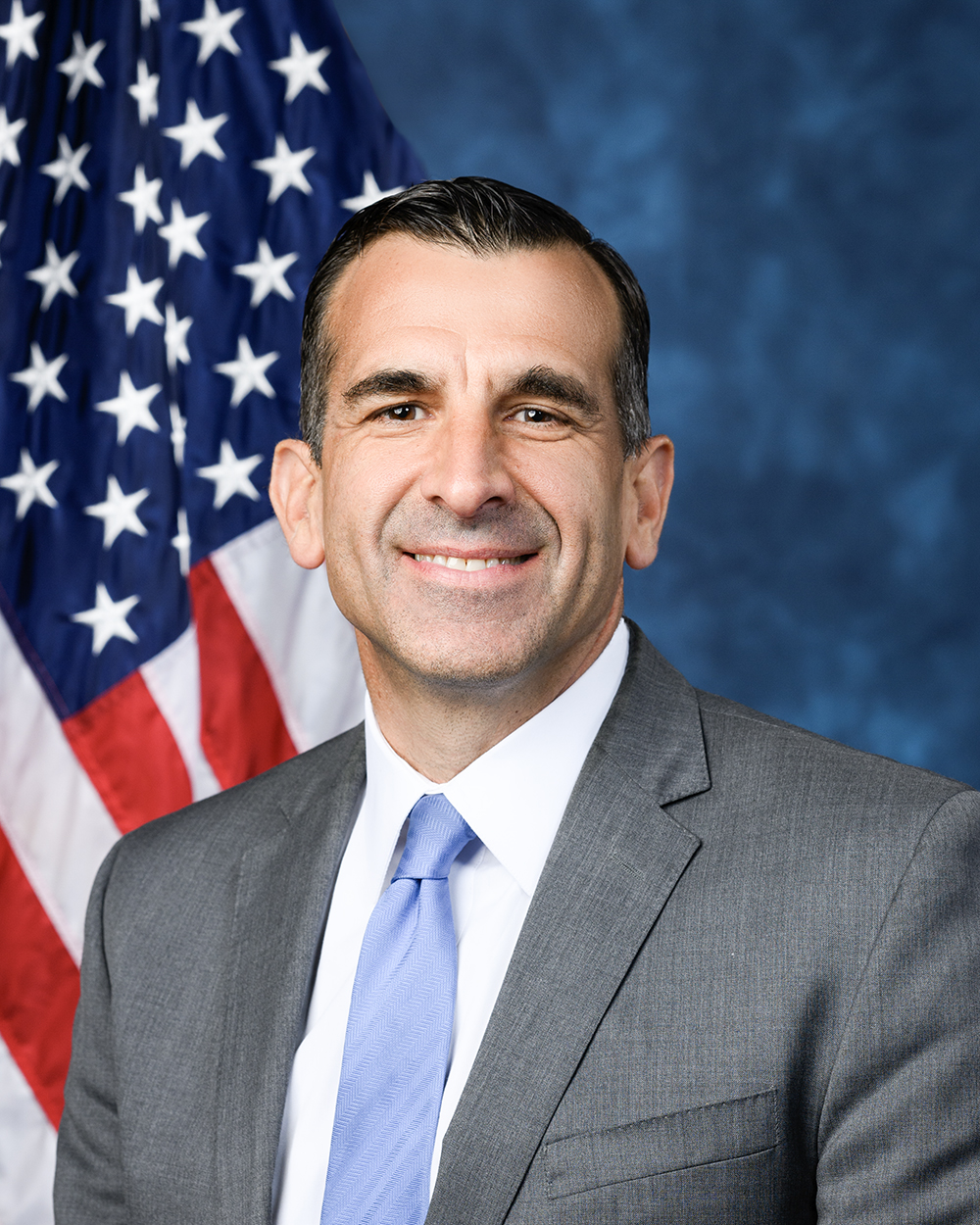
Rep. Sam T. Liccardo
Sponsored bills
Maddy summaryThe Energy Bills Relief Act aims to lower household energy costs and accelerate the development of low-cost, clean energy by modifying federal tax credits, expanding weatherization programs, and streamlining permitting processes. Key provisions include restoring tax incentives for renewable energy projects, increasing funding for low-income heating assistance, and requiring federal agencies to treat wind, solar, and storage projects with the same procedural fairness as oil and gas projects. The bill also establishes new incentives for upgrading the electricity grid, such as tax credits for transmission lines and grants for wildfire prevention measures, while creating mechanisms to ensure utilities serve public interests and protect consumers from price volatility.
Maddy summaryHR 5555 directs the Secretary of the Interior to study whether to designate a coastal California area as a National Heritage Area. The study would cover Monterey, San Mateo, Santa Cruz, and San Luis Obispo counties, plus adjacent regions with similar heritage features. This study, required under existing law (54 U.S.C. § 120103(a)), would assess if the area meets criteria for designation but does not create the Heritage Area itself. The study is limited to evaluating feasibility and suitability, with no immediate policy changes.
Maddy summaryThis bill requires federal agencies to clarify how they recognize special districts (like water, fire, or school districts operating separately from cities or counties) as eligible for federal grants. It mandates the OMB Director to issue guidance within 180 days, directing agencies to adopt this standard within one year for all federal financial assistance programs. The bill ensures special districts - defined as state-created entities with budgetary autonomy for specific services - can consistently access existing federal funding they currently face barriers to. A report on agency implementation must be submitted to Congress two years after enactment.
Governing Unaccredited Representatives Defrauding VA Benefits Act or the GUARD VA Benefits Act This bill imposes fines on individuals for soliciting, contracting for, charging, or receiving any unauthorized fee or compensation with respect to the preparation, presentation, or prosecution of any claim for Department of Veterans Affairs benefits. The attempted commission of such offenses is also punishable by fine.
Enhanced Iran Sanctions Act of 2025 This bill imposes sanctions on certain foreign persons (individuals and entities) that are involved in Iran's petroleum sector as well as certain associated persons. The bill also requires or authorizes actions to facilitate the enforcement of sanctions on Iran. Specifically, the bill requires the President to impose visa- and property-blocking sanctions on any foreign person that, after the bill's enactment, knowingly engages in any transaction related to the processing, export, or sale of oil, condensates, gas, liquefied natural gas, or other petrochemical products in whole or in part from Iran. The President must also impose sanctions on certain foreign persons associated with a sanctioned individual or entity. For example, the President must sanction the subsidiaries and corporate officers of a sanctioned business. The bill provides certain exceptions to these sanctions, including specifying that sanctions do not apply to the importation of goods or to conducting or facilitating transactions for humanitarian assistance. The Department of State must establish an interagency working group that shall seek to establish a multilateral contact group to coordinate international efforts to enforce sanctions on Iran. The bill expands the State Department rewards program to authorize a reward payment to any individual who furnishes information leading to the identification of a person (1) subject to sanctions under this bill, or (2) that has attempted or is attempting to evade sanctions under this bill.
Maddy summaryThis bill grants the Secretary of Homeland Security the authority to move unspent money between different accounts within the department during a government funding shutdown. The provision specifically allows transfers of funds from the One Big Beautiful Bill Act to other DHS accounts, but prohibits moving money to the Office of the Secretary, Immigration and Customs Enforcement, or Customs and Border Protection. Additionally, the bill prevents the use of transferred funds to hire new employees during a lapse in appropriations. This measure aims to provide flexibility in managing existing resources while maintaining restrictions on certain departments and hiring activities.
Maddy summaryHRES 1107 is a House resolution urging the President to issue a proclamation flying the U.S. flag at half-staff to honor Rev. Jesse Jackson. The resolution recognizes his civil rights leadership, including founding the Rainbow PUSH Coalition and his presidential campaigns in 1984 and 1988, which advanced racial equality and economic justice. This symbolic gesture directly affects the President (as the one who would issue the proclamation) and the public, who would observe the flag at half-staff.
Maddy summaryThis bill increases FHA loan limits for manufactured home purchases, home improvements, and accessory dwelling units under the National Housing Act. It raises the maximum loan amount for single-section manufactured home purchases to $106,405 and multi-section homes to $195,322, while setting a $75,000 cap for home improvements. The bill also requires annual adjustments to these limits based on HUD's methodology and mandates a HUD study comparing off-site construction (including manufactured/modular homes) to site-built housing on cost, quality, maintenance, and applications like accessory dwelling units. It directly affects borrowers seeking FHA financing for these housing types.
Maddy summaryThe MINT Act modifies rules for federal home loan banks backing tax-exempt bonds used in community development projects. It removes a 2010 deadline for certain bond issuances and shifts safety requirements to be set by the Federal Housing Finance Agency Director, rather than fixed standards. This directly affects community development organizations and local governments using tax-exempt bonds for housing or neighborhood revitalization. The changes apply to guarantees issued after the bill's enactment, streamlining how these bonds are secured.