

Maddy summaryThis bill prohibits federal agencies from using the social cost of carbon, methane, nitrous oxide, or greenhouse gases in regulatory decisions. It bans these climate impact estimates from cost-benefit analyses, rulemaking, and agency guidance documents. Agencies must report past use of these metrics since 2009 to Congress. The law removes specific climate cost calculations from energy regulations.
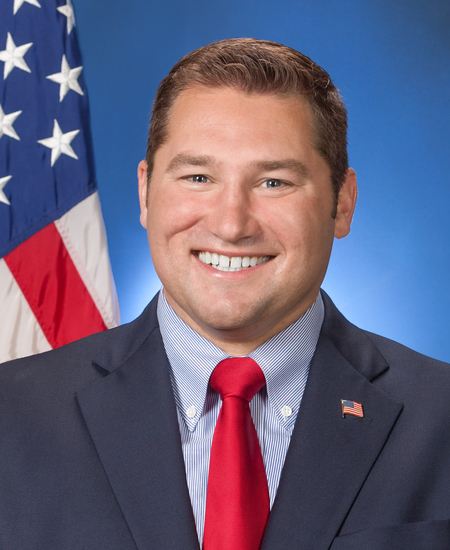
Rep. Guy Reschenthaler
Sponsored bills
Maddy summaryThis bill creates a federal tax credit for individuals who contribute to scholarship granting organizations (SGOs) that provide scholarships for elementary and secondary education. Taxpayers can claim a credit equal to up to 10% of their adjusted gross income or $5,000 (whichever is less) for contributions to SGOs that provide scholarships for students from households earning no more than 300% of the area median income. Scholarships can cover tuition, educational materials, tutoring, testing fees, and educational therapies, with SGOs required to verify income, undergo independent audits, and meet strict distribution rules. The program would operate with a $5 billion annual cap from 2025-2028, prohibit government control over SGOs or private/religious schools, and prevent discrimination based on religious affiliation.
Maddy summaryHRES 1493 is a symbolic congressional resolution condemning Vice President Kamala Harris for her past support of climate policies as a senator. It specifically references her 2019 cosponsorship of the Green New Deal resolution and her 2020 climate plan proposals, which the resolution claims would increase national debt and harm energy independence. The resolution does not create new laws or affect any policies - it only expresses disapproval of these historical positions. It has no legal effect or direct impact on current legislation or constituents.
Maddy summaryHJRES 136 is a resolution seeking to block an Environmental Protection Agency (EPA) rule that would have set new emissions standards for light and medium-duty vehicles sold in 2027 and later model years. The EPA rule, published in April 2024, aimed to require vehicle manufacturers to meet stricter pollution limits for these vehicles. If passed, this resolution would cancel the rule, preventing the EPA from enforcing the new standards. It uses a congressional process that allows Congress to reject agency rules with a simple majority vote.
Maddy summaryHR 9715, the "Strengthening our Servicemembers with Milk Act," requires the Secretary of Defense to provide various types of milk - including unflavored, organic, lactose-free, and fat-free options - at military dining facilities for active-duty members of the Armed Forces. The bill mandates that milk must be available in multiple varieties to accommodate dietary preferences and needs. It also prohibits purchasing milk from entities owned or controlled by foreign adversaries, as defined by existing regulations. This policy change directly affects military personnel dining at installations nationwide, ensuring broader milk access while restricting certain procurement sources.
Maddy summaryHJRES 144 is a congressional disapproval resolution targeting a specific rule issued by the Bureau of Alcohol, Tobacco, Firearms, and Explosives (ATF) on April 19, 2024. The resolution seeks to block the ATF's rule that redefined the term "engaged in the business" for firearm dealers, which would have affected how federal licensing requirements apply to certain sellers. If enacted, this resolution would nullify the rule, preventing it from taking effect under procedures in Title 5 of the U.S. Code. The bill directly impacts firearm dealers operating under the current regulatory framework and the ATF's enforcement authority.
Maddy summaryHR 9677, the Modernize the Au Pair Program Act of 2024, ensures only federal law - not state laws - regulates the au pair program. It requires the State Department to revise a proposed rule within 90 days to adjust the weekly payment formula for host families, balancing affordability with program costs like room, board, and childcare hours. This update aims to maintain the program’s accessibility for American families, including military households, shift workers, and single parents who rely on au pairs for childcare. The bill preserves the program’s cultural exchange purpose and economic benefits without expanding its scope or creating new requirements.
Maddy summaryThe Federal Lands Amplified Security for the Homeland (FLASH) Act authorizes the construction of navigable roads on Federal lands along the southern border to improve U.S. Customs and Border Protection access, while establishing policies to reduce trash accumulation and address environmental damage from unauthorized border crossings. The bill requires agencies to develop protocols for mitigating wildfire risks through vegetation management, prohibits Federal funds from being used to provide housing for unauthorized immigrants on Federal lands, and includes provisions to address illegal cannabis cultivation and pesticide use. It mandates annual reports on waste collection and environmental impacts, and authorizes $16 million annually for initiatives to address contamination from trespass cannabis cultivation on covered Federal lands. The legislation directly affects land management operations on approximately 50 million acres of Federal lands administered by the National Park Service, Bureau of Land Management, Fish and Wildlife Service, and Forest Service along the southern border.
Maddy summaryThis bill requires the U.S. Postal Service to publicly disclose emergency post office closures within 24 hours (via physical signs and website notices) and notify relevant local officials, congressional representatives, and state officials within 5 days. It mandates that notifications include the closure reason, temporary mail delivery solutions, and expected end date. If a closure lasts 30 days, the Postal Service must open a 30-day public comment period; for 60-day closures, the Postal Regulatory Commission reviews the closure and relocation planning begins. The Postal Service must also submit annual reports to Congress starting in 2025 detailing all emergency closures, their duration, and reasons. This directly affects post offices, local governments, and congressional representatives in affected communities.
Maddy summaryThis bill (HJRES 163) is a congressional disapproval resolution targeting an Environmental Protection Agency (EPA) rule finalized on May 9, 2024. The EPA rule established new emissions standards for greenhouse gases from fossil fuel power plants (both new and existing) and repealed a previous rule called the Affordable Clean Energy Rule. The resolution would block this EPA rule from taking effect by invoking the Congressional Review Act (Chapter 8 of Title 5, U.S. Code). If passed, it would prevent the EPA rule from being enforced, directly affecting fossil fuel power plant operators and the EPA’s regulatory authority over emissions.