

Maddy summaryThis bill establishes a working group to review and recommend changes to specific sections of the state's civil and criminal laws. The group will consist of six members appointed by various legislative leaders, including the Speaker of the House, Senate leadership, and both majority and minority leaders. The working group is required to submit its findings and recommendations by January 1, 2027, to the judiciary committee. The bill focuses on analyzing Titles 46b, 51, 52, 53, 53a, and 54 of the general statutes without making immediate policy changes itself.
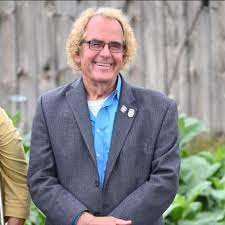
Rep. Tom Delnicki
Sponsored bills
Maddy summaryThis bill creates a task force to examine how artificial intelligence impacts the trades industry, specifically looking at job displacement and current training curricula. The task force will include representatives from both legislative chambers, the Labor Commissioner, and the Technical Education and Career System, with members appointed by various leadership positions. Separately, the bill requires the Commissioner of Public Health to study whether a state-wide certified nursing assistant training program is feasible. Both the task force and the commissioner must submit their reports by January 1, 2027, to the relevant legislative committees.
Maddy summaryHB 5224 updates Connecticut's Real Estate Guaranty Fund rules to better protect consumers defrauded by real estate licensees. It caps compensation at $25,000 per transaction (not per person) for losses due to embezzlement, fraud, or misrepresentation by agents or their unlicensed employees. The bill also sets a $500,000 maximum fund balance, requires licensees who trigger fund payments to repay the amount plus 10% interest, and limits claims to two years after a final court or arbitration decision. These changes directly affect real estate professionals who commit misconduct and consumers seeking redress for financial harm.
Maddy summaryHB 5283 authorizes Connecticut municipalities to ban pet shops from selling dogs, cats, and rabbits. The bill amends state law to allow local governments to prohibit these sales in pet shops (defined under section 22-327) without requiring them to do so. It takes effect October 1, 2026, and directly affects pet shops currently selling these animals and local governments choosing to adopt such restrictions. The policy change provides municipalities with a specific legal mechanism to regulate pet shop sales, focusing on dogs, cats, and rabbits.
Maddy summaryHB 5211 requires providers offering sales-based commercial financing (repayments tied to a business's sales/revenue) to disclose four specific details to recipients: the total financing amount, disbursement amount (excluding finance charges), finance charge, and an estimated annual percentage rate (APR) based on projected sales. This applies to financing under $250,000 not intended for personal use, directly affecting small businesses and the providers (like brokers or non-bank lenders) offering this financing. The APR must be calculated using either historical sales data or an opt-in method, with providers notifying the Banking Commissioner of their chosen method. Banks, credit unions, and certain large lenders are exempt from these requirements. The bill takes effect October 1, 2026.
Maddy summaryHB 5125 regulates ticket resellers and advertising for entertainment events. It requires resellers to either possess tickets or have a written contract with the original seller before selling to customers, and to disclose in writing if they lack tickets or cannot guarantee the price. The bill also bans websites from using venue names, event names, or similar terms in their domain names (except for the venues themselves) and mandates that all ticket advertisements clearly show the total price and the exact dollar amount of any service charge. These rules apply to events like concerts and sports games but exclude movies, affecting resellers, online platforms, and venues.
Maddy summaryThis bill requires state officials to conduct a study on whether to create official state-wide classifications for essential workers and first responders. The study will examine how such classifications would affect employee benefits and job requirements, develop clear definitions for these roles, and determine if specific groups like telecommunicators and public works employees should be included. The Department of Administrative Services will lead this research in consultation with emergency services and labor officials, with findings due by January 1, 2027. The bill does not change any current laws or create new benefits, but instead initiates a review process to inform potential future policy decisions.
Maddy summarySB 300 creates a new exemption from debt collection for funds in joint bank accounts where a person has no legal ownership interest (equitable interest). Specifically, it adds a provision protecting "any part of the balance of an account deemed a joint account" if the debtor lacks equitable interest in it. This directly affects individuals who co-own accounts with others (e.g., a spouse or family member) but did not incur the debt. The exemption applies to funds in such accounts, preventing creditors from seizing those specific amounts during collection efforts. The bill takes effect October 1, 2026.
Maddy summaryHB 5371 requires the Insurance Commissioner to conduct a study on state insurance regulation and submit a report to the General Assembly's insurance committee by January 1, 2027. This procedural bill does not change existing regulations or directly affect specific groups; it only mandates a study and reporting process. The key mechanism is the commissioner's obligation to analyze current insurance regulation and provide findings to lawmakers. The bill's sole purpose is to gather information for potential future policy decisions.
Maddy summaryThis bill establishes a Connecticut Tribal Wildlife and Fisheries Commission to facilitate cooperation between the state and Native American tribes on managing wildlife and fisheries resources. The commission will include representatives from five tribal nations, state agencies, and academic institutions to develop comanagement agreements that integrate tribal ecological knowledge with state conservation science. Additionally, the bill provides free hunting and fishing permits to enrolled tribal members on state lands, offers access to safety and education programs, and prioritizes tribal food processing facilities for technical assistance and funding support. These measures aim to promote sustainable resource use and tribal food sovereignty while maintaining state conservation goals and protections.